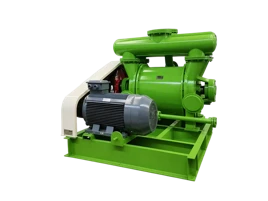
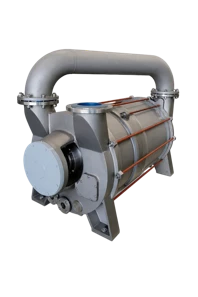
High volume vacuum pumps are essential equipment in various industrial applications, from chemical processing to food packaging. As a high volume vacuum pump supplier, I've encountered numerous common problems that users face. In this blog, I'll discuss these issues and offer practical solutions to keep your operations running smoothly.
1. Insufficient Vacuum Level
One of the most prevalent problems with high volume vacuum pumps is the inability to reach and maintain the desired vacuum level. Several factors can contribute to this issue:
Leakage
Leakage is a primary culprit behind insufficient vacuum levels. Even small leaks in the vacuum system can allow air to enter, disrupting the vacuum. To detect leaks, you can use a helium leak detector or apply a soapy solution to suspected areas. If bubbles form, it indicates a leak.
Solution: Once you've identified the leak, seal it using appropriate gaskets, O - rings, or sealants. Ensure that all connections are tightened properly. Regularly inspect the vacuum system for signs of wear and tear on seals and gaskets, and replace them as needed.
Clogged Filters
Over time, filters in the vacuum pump can become clogged with debris, dust, and contaminants. This restricts the flow of air and reduces the pump's efficiency, leading to a lower vacuum level.
Solution: Check and clean the filters regularly according to the manufacturer's recommendations. If the filters are severely clogged or damaged, replace them immediately. For example, in our 2BV Liquid Ring Vacuum Pump, proper filter maintenance is crucial for optimal performance.
Worn - Out Components
Components such as vanes, pistons, or diaphragms can wear out over time due to continuous use. This can result in reduced pumping capacity and a lower vacuum level.
Solution: Regularly inspect the internal components of the vacuum pump. If you notice signs of wear, such as excessive play or damage, replace the worn - out parts. Our technicians can provide guidance on which parts need replacement and how to install them correctly.


2. Excessive Noise and Vibration
Excessive noise and vibration during the operation of a high volume vacuum pump can be a sign of underlying problems:
Misalignment
If the pump is not properly aligned with the motor or other connected equipment, it can cause excessive vibration and noise. Misalignment can occur due to improper installation or movement during operation.
Solution: Use alignment tools to ensure that the pump and motor are correctly aligned. Check the alignment periodically, especially after any maintenance or repair work. Adjust the position of the pump or motor as necessary to eliminate misalignment.
Loose Parts
Loose bolts, nuts, or other components can also contribute to noise and vibration. Vibration can cause these parts to loosen further over time, leading to potential damage to the pump.
Solution: Regularly inspect the pump for loose parts and tighten them using the appropriate tools. Pay special attention to areas where vibration is most noticeable.
Cavitation
Cavitation occurs when the pressure in the pump drops below the vapor pressure of the liquid, causing the formation and collapse of vapor bubbles. This can result in loud noise, vibration, and damage to the pump's internal components.
Solution: To prevent cavitation, ensure that the pump is operating within its recommended pressure and flow range. Adjust the system parameters, such as the inlet pressure or flow rate, if necessary. In some cases, using a larger pump or adding a booster pump can help reduce the risk of cavitation. Our 2BED 2 Stage Liquid Ring Vacuum Pump is designed to minimize cavitation issues with its advanced two - stage design.
3. Overheating
Overheating is a serious problem that can damage the vacuum pump and reduce its lifespan:
Lack of Cooling
Insufficient cooling can cause the pump to overheat. This can be due to a malfunctioning cooling system, such as a clogged coolant line or a faulty fan.
Solution: Check the cooling system regularly to ensure that it is functioning properly. Clean the coolant lines to remove any blockages, and replace the fan if it is not working correctly. Make sure that there is adequate ventilation around the pump to dissipate heat.
High Ambient Temperature
Operating the vacuum pump in a high - temperature environment can also lead to overheating. If the ambient temperature exceeds the pump's recommended operating range, the pump may struggle to dissipate heat effectively.
Solution: If possible, relocate the pump to a cooler area. You can also install additional cooling equipment, such as air - conditioning or fans, to lower the ambient temperature around the pump.
Excessive Load
Running the pump at a higher load than its rated capacity can cause it to overheat. This can happen if the pump is used for applications that require more vacuum or flow than it is designed to handle.
Solution: Review the pump's specifications and ensure that it is suitable for the intended application. If necessary, upgrade to a larger or more powerful pump. Our 2BE1 Liquid Ring Vacuum Pump offers a range of models with different capacities to meet various industrial needs.
4. Oil Contamination
In oil - lubricated vacuum pumps, oil contamination is a common problem:
Ingress of Foreign Matter
Dust, dirt, and other foreign matter can enter the oil reservoir, contaminating the oil. This can reduce the lubricating properties of the oil and cause damage to the pump's internal components.
Solution: Install proper air filters and seals to prevent the ingress of foreign matter. Regularly change the oil and clean the oil reservoir according to the manufacturer's recommendations.
Moisture in the Oil
Moisture can enter the oil due to condensation or leaks in the system. Moisture in the oil can cause corrosion and reduce the effectiveness of the lubricant.
Solution: Use a moisture separator or desiccant to remove moisture from the oil. If the oil is severely contaminated with moisture, replace it immediately.
5. Reduced Pumping Speed
A decrease in pumping speed can slow down the overall process and reduce productivity:
Aging Pump
As a vacuum pump ages, its pumping speed may naturally decline due to wear and tear on internal components.
Solution: Consider upgrading to a newer model of the vacuum pump. Newer pumps often have improved designs and technologies that can provide higher pumping speeds and better efficiency.
System Resistance
High system resistance, such as long or narrow pipes, can reduce the pumping speed. This can be caused by improper installation or changes in the system configuration.
Solution: Review the system layout and make any necessary changes to reduce the resistance. Use larger - diameter pipes or shorten the length of the pipes to improve the flow of air.
In conclusion, high volume vacuum pumps are reliable workhorses in many industries, but they can encounter various problems. By being aware of these common issues and implementing the appropriate solutions, you can ensure the smooth operation of your vacuum pump and extend its lifespan.
If you're facing problems with your high volume vacuum pump or are looking to purchase a new one, we're here to help. Our team of experts can provide you with professional advice, maintenance services, and high - quality products. Contact us today to discuss your specific needs and start a fruitful procurement negotiation.
References
- Vacuum Pump Handbook, various editions
- Manufacturer's manuals for 2BV, 2BED, and 2BE1 liquid ring vacuum pumps