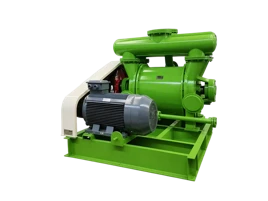
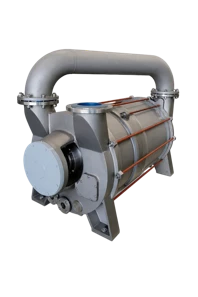
Hey there! As a supplier of chemical vacuum pumps, I often get asked about the materials used in the pump body of these essential pieces of equipment. So, I thought I'd take a few minutes to break it down for you and explain what goes into making a chemical vacuum pump's pump body.
First off, let's talk about why the material of the pump body matters. Chemical vacuum pumps are used in a wide range of industries, from pharmaceuticals and chemicals to food and beverage. These pumps are designed to handle a variety of corrosive and abrasive chemicals, so the material of the pump body needs to be able to withstand these harsh conditions. If the pump body is made of the wrong material, it can quickly corrode or wear out, leading to costly repairs and downtime.
So, what are the most common materials used in the pump body of a chemical vacuum pump? Well, there are a few different options, each with its own advantages and disadvantages.
Cast Iron
Cast iron is one of the most commonly used materials for the pump body of a chemical vacuum pump. It's a strong and durable material that can withstand high pressures and temperatures. Cast iron is also relatively inexpensive, making it a popular choice for many applications. However, cast iron is not very resistant to corrosion, so it's not suitable for use with highly corrosive chemicals.
Stainless Steel
Stainless steel is another popular material for the pump body of a chemical vacuum pump. It's a corrosion-resistant material that can withstand a wide range of chemicals, including acids and alkalis. Stainless steel is also strong and durable, making it suitable for use in high-pressure applications. However, stainless steel is more expensive than cast iron, so it may not be the best choice for applications where cost is a major factor.
Polypropylene
Polypropylene is a thermoplastic material that is often used in the pump body of chemical vacuum pumps. It's a lightweight and corrosion-resistant material that can withstand a wide range of chemicals, including acids and alkalis. Polypropylene is also relatively inexpensive, making it a popular choice for many applications. However, polypropylene is not as strong as cast iron or stainless steel, so it may not be suitable for use in high-pressure applications.


Titanium
Titanium is a high-strength and corrosion-resistant material that is often used in the pump body of chemical vacuum pumps. It's a lightweight material that can withstand a wide range of chemicals, including acids and alkalis. Titanium is also very resistant to corrosion, making it suitable for use in highly corrosive environments. However, titanium is very expensive, so it may not be the best choice for applications where cost is a major factor.
Which Material is Right for You?
So, which material is right for your chemical vacuum pump? Well, it depends on a few different factors, including the type of chemicals you'll be handling, the pressure and temperature of the application, and your budget.
If you're handling relatively mild chemicals and don't need a pump that can withstand high pressures or temperatures, cast iron or polypropylene may be a good choice. These materials are relatively inexpensive and can provide good performance in many applications.
If you're handling more corrosive chemicals or need a pump that can withstand high pressures or temperatures, stainless steel or titanium may be a better choice. These materials are more expensive, but they offer superior corrosion resistance and durability.
Our Chemical Vacuum Pump Offerings
At our company, we offer a wide range of chemical vacuum pumps made from different materials to meet the needs of our customers. For example, our 2BE1 Liquid Ring Vacuum Pump is available with a cast iron or stainless steel pump body, depending on your specific requirements. This pump is suitable for a wide range of applications, including chemical processing, food and beverage, and pharmaceuticals.
We also offer the 2BED 2 Stage Liquid Ring Vacuum Pump, which is designed for applications that require a higher vacuum level. This pump is available with a stainless steel or titanium pump body, providing excellent corrosion resistance and durability.
If you need a large-capacity chemical vacuum pump, our 2BE3 Large Liquid Ring Vacuum Pump is a great option. This pump is available with a cast iron or stainless steel pump body and is suitable for use in a variety of industries, including chemical processing, power generation, and mining.
Contact Us for More Information
If you're in the market for a chemical vacuum pump and need help choosing the right material for your application, don't hesitate to contact us. Our team of experts is here to help you find the perfect pump for your needs and budget. We can provide you with detailed information about our products, including specifications, performance data, and pricing.
Whether you're a small business or a large corporation, we have the expertise and experience to help you find the right chemical vacuum pump for your application. So, what are you waiting for? Contact us today to learn more about our products and how we can help you.
References
- Perry, R. H., & Green, D. W. (Eds.). (2008). Perry's Chemical Engineers' Handbook. McGraw-Hill.
- Walas, S. M. (1988). Chemical Process Equipment: Selection and Design. Butterworth-Heinemann.