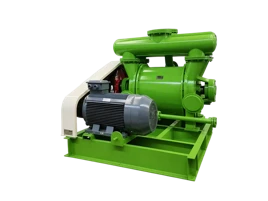
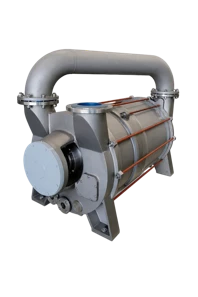
Hey there! As a supplier of rough vacuum pumps, I've seen my fair share of transportation issues. Shipping these heavy and delicate machines safely is no walk in the park, but with the right know - how, it can be done smoothly. In this blog, I'll share some tips on how to transport a rough vacuum pump safely.
1. Pre - transport Inspection
Before you even think about moving the pump, you've gotta do a thorough inspection. Check for any visible damage, loose parts, or signs of wear and tear. Look at the casing for cracks, make sure all the bolts are tightened, and examine the hoses and connections. If you spot any issues, it's best to fix them before shipping. This not only ensures the pump arrives in good condition but also helps avoid any potential problems during transit.
Let's say you're dealing with a 2BED 2 Stage Liquid Ring Vacuum Pump. These pumps are pretty robust, but they still need a careful once - over. You want to check the impeller, which is a crucial part of the pump. If it's damaged, it could lead to reduced performance or even complete failure.
2. Cleaning and Drying
Cleaning the pump is an important step. Remove any dirt, debris, or residue from the outside of the pump. You can use a mild detergent and a soft cloth to wipe it down. For the inside, follow the manufacturer's instructions. Some pumps may need to be flushed with a cleaning solution to remove any built - up contaminants.
After cleaning, make sure the pump is completely dry. Moisture can cause corrosion and damage to the internal components. You can use compressed air to blow out any remaining water from the hoses and cavities. A dry pump is less likely to develop rust during transportation, which can be a real headache.
3. Drainage
If your rough vacuum pump has any fluids in it, like oil or coolant, you need to drain them properly. Leaving fluids in the pump during transportation can lead to leaks, which not only create a mess but can also damage the pump and other items in the shipment.
For example, in a 2BV Liquid Ring Vacuum Pump, you need to drain the sealing liquid. Follow the instructions in the manual to locate the drain valve and drain the liquid into a suitable container. Dispose of the fluids according to local regulations.
4. Securing Loose Parts
There are often some loose parts on a vacuum pump, such as covers, panels, or small accessories. Make sure to secure these parts properly. You can use tape or straps to hold them in place. If there are any detachable components, remove them and pack them separately in a padded container. This way, they won't get lost or damaged during transit.
For larger pumps like the 2BE3 Large Liquid Ring Vacuum Pump, you might have some heavy - duty covers or access panels. Use strong straps to keep them firmly attached to the pump.
5. Packaging
Proper packaging is key to protecting the pump during transportation. Start by wrapping the pump in a layer of bubble wrap or foam padding. This helps absorb shocks and vibrations. You can then place the wrapped pump in a sturdy wooden crate or a heavy - duty cardboard box.
Fill any empty spaces in the crate or box with packing peanuts, foam blocks, or other cushioning materials. This prevents the pump from moving around inside the package. Make sure the packaging is sealed tightly to keep out dust and moisture.
If you're shipping the pump internationally, you also need to consider the packaging requirements of the destination country. Some countries have strict regulations regarding the materials used in packaging, especially for items that may contain hazardous substances.
6. Labeling
Label the package clearly. Include information such as "Fragile", "This Side Up", and "Handle with Care". You should also put the name and model of the pump, your contact information, and the destination address on the label. This helps the shipping company handle the package correctly and ensures that it reaches the right place.
7. Choosing a Shipping Method
There are several shipping methods available, and you need to choose the one that's best for your rough vacuum pump. If the pump is small and lightweight, you might be able to use a courier service. These services are usually fast and reliable, but they can be expensive for larger items.
For larger and heavier pumps, freight shipping is often a better option. You can choose between air freight, sea freight, or land freight. Air freight is the fastest but also the most expensive. Sea freight is slower but more cost - effective for long - distance shipments. Land freight is a good choice for local or regional deliveries.
When choosing a shipping company, look for one with a good reputation for handling heavy and delicate items. Check their insurance policies to make sure your pump is covered in case of damage during transit.


8. Insurance
Always get insurance for the pump. Accidents can happen during transportation, and having insurance gives you peace of mind. Make sure the insurance coverage is sufficient to cover the full value of the pump and any associated costs, such as shipping fees and installation charges.
9. Tracking
Once the pump is on its way, use the tracking service provided by the shipping company. This allows you to monitor the progress of the shipment and know when it's expected to arrive. If there are any delays or issues, you can take action quickly.
10. Unloading and Installation
When the pump arrives at its destination, make sure it's unloaded carefully. Follow the same handling instructions as during transportation. Once unloaded, inspect the pump again for any damage that may have occurred during transit.
If you're the end - user, follow the manufacturer's instructions for installation. If you're not familiar with the installation process, it's a good idea to hire a professional. Improper installation can lead to poor performance and even damage to the pump.
In conclusion, transporting a rough vacuum pump safely requires careful planning and attention to detail. By following these steps, you can ensure that your pump arrives at its destination in good condition.
If you're in the market for a rough vacuum pump or have any questions about transportation, feel free to reach out. We're here to help you with all your vacuum pump needs. Whether it's choosing the right pump for your application or ensuring its safe delivery, we've got you covered.
References
- Manufacturer's manuals for 2BED 2 Stage Liquid Ring Vacuum Pump, 2BV Liquid Ring Vacuum Pump, and 2BE3 Large Liquid Ring Vacuum Pump
- General industry guidelines on shipping heavy and delicate equipment