Can a dry vacuum pump be used for vacuum packaging?
In the field of industrial packaging, vacuum packaging has become an essential technique for preserving the quality and extending the shelf - life of various products. The choice of a suitable vacuum pump is crucial for achieving efficient and reliable vacuum packaging. As a dry vacuum pump supplier, I often receive inquiries about whether dry vacuum pumps can be used for vacuum packaging. In this blog, I will explore this question in detail, examining the advantages, limitations, and specific types of dry vacuum pumps that can be employed for this purpose.
The Basics of Vacuum Packaging
Vacuum packaging involves removing air from a package and sealing it to create a low - pressure environment. This process helps to prevent the growth of aerobic microorganisms, reduces oxidation, and protects the product from moisture, dust, and other contaminants. Common products that are vacuum - packaged include food items, electronics, pharmaceuticals, and industrial components.
The efficiency of vacuum packaging depends on several factors, such as the initial air volume in the package, the desired final pressure, and the type of product being packaged. To achieve the required vacuum level, a vacuum pump is used to evacuate the air from the package.
Why Consider a Dry Vacuum Pump for Vacuum Packaging?
Dry vacuum pumps offer several advantages over traditional oil - lubricated vacuum pumps, making them an attractive option for vacuum packaging applications:
1. Cleanliness
One of the most significant benefits of dry vacuum pumps is their ability to operate without the use of oil. This eliminates the risk of oil contamination in the vacuum system and the packaged product. In industries such as food and pharmaceuticals, where strict hygiene standards must be maintained, a dry vacuum pump is an ideal choice. For example, when vacuum - packaging food products, any oil contamination could compromise the taste, quality, and safety of the food.
2. Low Maintenance
Dry vacuum pumps have fewer moving parts compared to oil - lubricated pumps, which means less wear and tear and lower maintenance requirements. There is no need to change oil regularly, and the absence of oil also reduces the risk of clogging and other oil - related issues. This results in lower operating costs and less downtime for maintenance.
3. Environmental Friendliness
Since dry vacuum pumps do not use oil, there is no oil waste to dispose of, making them a more environmentally friendly option. Additionally, they typically consume less energy than oil - lubricated pumps, which helps to reduce the carbon footprint of the packaging process.
4. High - Performance in Harsh Environments
Dry vacuum pumps can operate effectively in harsh environments where oil - lubricated pumps may struggle. They are less susceptible to corrosion and can handle high - temperature and high - humidity conditions, making them suitable for a wide range of industrial applications.


Types of Dry Vacuum Pumps Suitable for Vacuum Packaging
There are several types of dry vacuum pumps that can be used for vacuum packaging. Here are some of the most common ones:
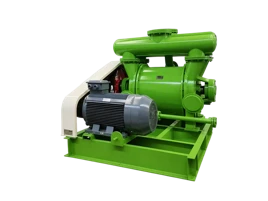
1. NZJQ Multistage Gas circulation - cooled Roots Pump
The NZJQ Multistage Gas circulation - cooled Roots Pump is a high - performance dry vacuum pump that is well - suited for vacuum packaging applications. It features a multistage design that allows for high pumping speeds and low ultimate pressures. The gas circulation - cooled system ensures efficient cooling of the pump, which helps to maintain stable performance even under continuous operation. This pump is capable of handling large volumes of air quickly, making it ideal for high - speed vacuum packaging lines.
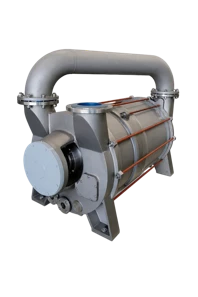
2. NZJP Multistage Roots Vacuum Pump
The NZJP Multistage Roots Vacuum Pump is another popular choice for vacuum packaging. It is known for its high pumping efficiency and reliability. The multistage design provides a high compression ratio, allowing for rapid evacuation of air from the package. This pump can achieve a relatively low ultimate pressure, which is essential for achieving a high - quality vacuum seal. It is also suitable for applications where a high degree of vacuum is required, such as in the packaging of sensitive electronics or medical products.
3. VDP Dry Screw Vacuum Pump
The VDP Dry Screw Vacuum Pump is a versatile dry vacuum pump that can be used for a variety of vacuum packaging applications. It operates on the principle of screw compression, which provides a smooth and continuous pumping action. The dry screw design eliminates the need for oil lubrication, ensuring a clean and contamination - free vacuum. This pump is suitable for both small - scale and large - scale vacuum packaging operations, and it can handle a wide range of gases and vapors.
Limitations of Dry Vacuum Pumps for Vacuum Packaging
While dry vacuum pumps offer many advantages for vacuum packaging, they also have some limitations:
1. Initial Cost
Dry vacuum pumps generally have a higher initial cost compared to oil - lubricated pumps. This can be a significant barrier for small businesses or those with limited budgets. However, it is important to consider the long - term savings in maintenance and operating costs when evaluating the overall cost - effectiveness of a dry vacuum pump.
2. Limited Ultimate Pressure
Some dry vacuum pumps may have a limited ability to achieve extremely low ultimate pressures compared to oil - lubricated pumps. In applications where a very high vacuum level is required, such as in the packaging of certain high - end electronics or scientific instruments, an oil - lubricated pump or a combination of pumps may be necessary.
3. Sensitivity to Particles
Dry vacuum pumps can be more sensitive to particles in the gas stream compared to oil - lubricated pumps. If the packaged product generates dust or other particulate matter during the packaging process, it can potentially damage the pump or reduce its performance. In such cases, additional filtration may be required to protect the pump.
Conclusion
In conclusion, dry vacuum pumps can be effectively used for vacuum packaging in many applications. Their cleanliness, low maintenance requirements, environmental friendliness, and high - performance capabilities make them a compelling choice for industries that require a reliable and efficient vacuum packaging solution. However, it is important to consider the specific requirements of the packaging process, such as the desired vacuum level, the type of product being packaged, and the budget, when selecting a dry vacuum pump.
As a dry vacuum pump supplier, I am committed to providing high - quality products and professional advice to help you choose the right vacuum pump for your vacuum packaging needs. Whether you are looking for a NZJQ Multistage Gas circulation - cooled Roots Pump, an NZJP Multistage Roots Vacuum Pump, or a VDP Dry Screw Vacuum Pump, I can offer you a suitable solution.
If you are interested in learning more about our dry vacuum pumps or have any questions about using them for vacuum packaging, please feel free to contact us for a consultation. We look forward to working with you to optimize your vacuum packaging process.
References
- "Vacuum Technology: Principles and Applications" by P. A. Redhead, J. P. Hobson, and E. V. Kornelsen
- "Handbook of Vacuum Physics" edited by D. O. Haydon
- Manufacturer's technical documentation for NZJQ Multistage Gas circulation - cooled Roots Pump, NZJP Multistage Roots Vacuum Pump, and VDP Dry Screw Vacuum Pump