Hey there! As a supplier of rotary liquid ring compressors, I've seen my fair share of issues with these machines. One of the most common problems that customers come to me with is low pressure output. It can be a real headache, but don't worry – I'm here to help you troubleshoot this issue step by step.


Check the Liquid Level
The first thing you need to do when you notice low pressure output from your rotary liquid ring compressor is to check the liquid level. The liquid in the compressor plays a crucial role in creating the seal and maintaining the pressure. If the liquid level is too low, the compressor won't be able to function properly.
Open the sight glass on the compressor and check the liquid level. It should be within the recommended range indicated by the manufacturer. If it's low, you'll need to add more liquid. Make sure to use the type of liquid specified by the manufacturer, as using the wrong liquid can cause damage to the compressor.
Inspect the Liquid Quality
Not only does the quantity of the liquid matter, but its quality is also important. Over time, the liquid in the compressor can become contaminated with dirt, debris, or other impurities. This can affect the performance of the compressor and lead to low pressure output.
Take a sample of the liquid and inspect it for any signs of contamination. If you notice any particles or discoloration, it's a good idea to replace the liquid. You can also install a liquid filtration system to prevent future contamination.
Examine the Inlet and Outlet Valves
The inlet and outlet valves of the compressor are responsible for controlling the flow of gas in and out of the machine. If these valves are not working properly, it can cause low pressure output.
Check the valves for any signs of damage or blockage. Make sure they are opening and closing smoothly. If you find any issues with the valves, you may need to repair or replace them.
Look for Leaks
Leaks in the compressor system can also cause low pressure output. Check all the connections, pipes, and fittings for any signs of leaks. You can use a soap solution to detect leaks – if you see bubbles forming, it indicates a leak.
If you find a leak, tighten the connection or replace the damaged part. It's important to fix leaks as soon as possible, as they can not only affect the performance of the compressor but also lead to safety hazards.
Check the Rotor and Impeller
The rotor and impeller are the key components of the compressor that create the compression. If these parts are damaged or worn out, it can cause low pressure output.
Inspect the rotor and impeller for any signs of damage, such as cracks, chips, or excessive wear. If you notice any issues, you may need to replace these parts. It's also a good idea to balance the rotor and impeller regularly to ensure smooth operation.
Verify the Motor and Drive System
The motor and drive system of the compressor are responsible for providing the power to operate the machine. If these components are not working properly, it can cause low pressure output.
Check the motor for any signs of damage or overheating. Make sure it is running at the correct speed and providing the necessary power. You should also inspect the drive system, including the belts, pulleys, and couplings, for any signs of wear or damage.
Consider the System Backpressure
The backpressure in the system can also affect the performance of the compressor. If the backpressure is too high, it can cause the compressor to work harder and result in low pressure output.
Check the system for any restrictions or blockages that may be causing high backpressure. Make sure the pipes and filters are clean and free of debris. You may also need to adjust the system settings to reduce the backpressure.
Seek Professional Help
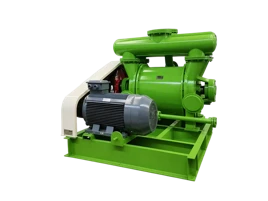
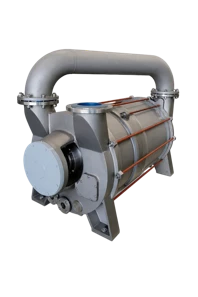
If you've tried all the above steps and still can't solve the problem of low pressure output, it's time to seek professional help. As a supplier of YE Liquid Ring Compressor and Y Liquid Ring Compressor, we have a team of experienced technicians who can diagnose and fix the issue for you.
We offer comprehensive maintenance and repair services for rotary liquid ring compressors. Our technicians are trained to work on all types of compressors and can provide you with the best solutions to keep your machine running smoothly.
Conclusion
Low pressure output from a rotary liquid ring compressor can be a frustrating problem, but with the right troubleshooting steps, you can usually identify and fix the issue. By checking the liquid level and quality, inspecting the valves and components, looking for leaks, and considering the system backpressure, you can ensure that your compressor is operating at its best.
If you're still having trouble or need more information about our YE Liquid Ring Compressor or Y Liquid Ring Compressor, don't hesitate to reach out to us. We're here to help you with all your compressor needs and can assist you in choosing the right compressor for your application. Whether you're looking to purchase a new compressor or need maintenance and repair services, we're just a call away. Let's work together to get your compressor back in top shape and keep your operations running smoothly.
References
- Compressor Handbook: A Guide to Selection, Installation, and Maintenance
- Manufacturer's Manuals for Rotary Liquid Ring Compressors