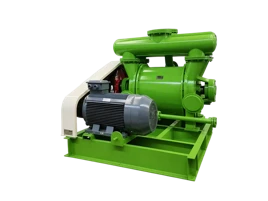
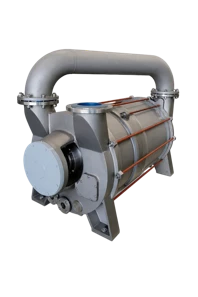
The flow rate of a water suction vacuum pump is a crucial parameter that determines its efficiency and suitability for various applications. As a leading water suction vacuum pump supplier, we understand the significance of flow rate in different industrial and commercial settings. In this blog post, we will delve into what the flow rate of a typical water suction vacuum pump is, factors that influence it, and how it relates to the performance of our products, such as the 2BE1 Liquid Ring Vacuum Pump, 2BED 2 Stage Liquid Ring Vacuum Pump, and 2BE3 Large Liquid Ring Vacuum Pump.

Understanding Flow Rate
Flow rate, often measured in cubic meters per hour (m³/h) or cubic feet per minute (CFM), refers to the volume of gas or vapor that a vacuum pump can remove from a system within a given time frame. It is a key metric that indicates the pump's capacity to create and maintain a vacuum. In the context of water suction vacuum pumps, the flow rate determines how quickly the pump can evacuate air or other gases from a sealed chamber or process line.
A higher flow rate means that the pump can remove more gas in less time, resulting in a faster evacuation process and a lower ultimate pressure. This is particularly important in applications where rapid vacuum generation is required, such as in vacuum packaging, freeze drying, and distillation processes. On the other hand, a lower flow rate may be sufficient for applications that do not require high-speed evacuation, such as laboratory experiments or small-scale industrial processes.
Factors Affecting Flow Rate
Several factors can influence the flow rate of a water suction vacuum pump. Understanding these factors is essential for selecting the right pump for your specific application and ensuring optimal performance.
1. Pump Design and Type
Different types of water suction vacuum pumps have varying flow rate capabilities. For example, liquid ring vacuum pumps, such as our 2BE1 Liquid Ring Vacuum Pump, 2BED 2 Stage Liquid Ring Vacuum Pump, and 2BE3 Large Liquid Ring Vacuum Pump, are known for their relatively high flow rates and are suitable for a wide range of applications. These pumps work by using a liquid ring to create a seal and compress the gas being pumped.
Other types of vacuum pumps, such as rotary vane pumps and diaphragm pumps, may have lower flow rates but offer different advantages, such as higher ultimate vacuum levels or better resistance to certain chemicals. The design of the pump, including the size and shape of the pumping chamber, the number of stages, and the type of impeller, also plays a significant role in determining the flow rate.
2. Operating Pressure
The flow rate of a water suction vacuum pump is inversely proportional to the operating pressure. As the pressure in the system decreases, the flow rate also decreases. This is because the pump has to work harder to remove the gas against a lower pressure gradient. Therefore, it is important to consider the desired operating pressure when selecting a pump and to ensure that the pump can maintain the required flow rate at that pressure.
3. Temperature
The temperature of the gas being pumped and the working fluid in the pump can also affect the flow rate. Higher temperatures can cause the gas to expand, reducing its density and increasing its volume. This can result in a lower flow rate as the pump has to handle a larger volume of gas. Additionally, high temperatures can affect the performance of the pump's seals and other components, leading to reduced efficiency and potentially lower flow rates.
4. Gas Composition
The composition of the gas being pumped can also have an impact on the flow rate. Some gases, such as water vapor, can condense inside the pump, reducing the effective volume of gas being pumped and potentially causing damage to the pump. Other gases may react with the working fluid or the pump's components, leading to corrosion or other issues. Therefore, it is important to consider the gas composition when selecting a pump and to ensure that the pump is compatible with the gases being pumped.
Typical Flow Rates of Water Suction Vacuum Pumps
The flow rate of a typical water suction vacuum pump can vary widely depending on the factors mentioned above. However, as a general guideline, liquid ring vacuum pumps can have flow rates ranging from a few cubic meters per hour to several hundred cubic meters per hour.

Our 2BE1 Liquid Ring Vacuum Pump series offers flow rates ranging from approximately 2.5 m³/h to 110 m³/h, making it suitable for a variety of small to medium-sized applications. The 2BED 2 Stage Liquid Ring Vacuum Pump series, with its two-stage design, provides higher flow rates and better vacuum performance, with flow rates ranging from around 10 m³/h to 270 m³/h. For large-scale industrial applications, our 2BE3 Large Liquid Ring Vacuum Pump series offers flow rates up to 1100 m³/h.

Importance of Flow Rate in Different Applications
The flow rate of a water suction vacuum pump is a critical factor in determining its suitability for different applications. Here are some examples of how flow rate affects performance in various industries:

1. Food and Beverage Industry
In the food and beverage industry, vacuum pumps are used for packaging, degassing, and freeze drying processes. A high flow rate is essential for rapid vacuum generation, which helps to preserve the quality and freshness of the products. For example, in vacuum packaging, a fast flow rate ensures that the air is quickly removed from the packaging, preventing oxidation and extending the shelf life of the food.
2. Chemical and Pharmaceutical Industry
In the chemical and pharmaceutical industry, vacuum pumps are used for distillation, evaporation, and filtration processes. The flow rate of the pump determines the speed at which these processes can be carried out, which can have a significant impact on production efficiency and product quality. A high flow rate is often required to handle large volumes of gas and to maintain a stable vacuum environment.
3. Power Generation Industry
In the power generation industry, vacuum pumps are used for condenser evacuation and deaeration processes. A sufficient flow rate is necessary to ensure that the condenser operates efficiently and that the steam turbine can generate power at its maximum capacity. A low flow rate can lead to reduced vacuum levels, increased energy consumption, and potential damage to the equipment.
Selecting the Right Water Suction Vacuum Pump Based on Flow Rate
When selecting a water suction vacuum pump, it is important to consider the required flow rate for your specific application. Here are some steps to help you choose the right pump:
1. Determine the Required Flow Rate
Calculate the volume of gas or vapor that needs to be removed from the system within a given time frame. Consider factors such as the size of the chamber, the desired evacuation time, and the operating pressure. This will give you an estimate of the minimum flow rate required for your application.
2. Consider the Operating Conditions
Take into account the temperature, gas composition, and other operating conditions that may affect the flow rate of the pump. Make sure that the pump you choose is compatible with the gases being pumped and can operate effectively under the given conditions.
3. Evaluate the Pump's Performance
Look at the pump's performance curves, which show the relationship between the flow rate, operating pressure, and power consumption. This will help you determine the pump's efficiency and suitability for your application. Consider factors such as the ultimate vacuum level, the pumping speed at different pressures, and the power requirements.
4. Choose the Right Pump Type and Model
Based on your flow rate requirements, operating conditions, and performance evaluation, select the appropriate type and model of water suction vacuum pump. Our range of 2BE1 Liquid Ring Vacuum Pump, 2BED 2 Stage Liquid Ring Vacuum Pump, and 2BE3 Large Liquid Ring Vacuum Pump offers a variety of options to meet different application needs.
Conclusion
The flow rate of a water suction vacuum pump is a critical parameter that determines its performance and suitability for various applications. By understanding the factors that affect flow rate and choosing the right pump based on your specific requirements, you can ensure efficient and reliable operation of your vacuum system. As a trusted water suction vacuum pump supplier, we are committed to providing high-quality products and expert advice to help you select the best pump for your needs. If you have any questions or need assistance in choosing the right pump, please feel free to contact us for a consultation. We look forward to working with you to meet your vacuum pumping requirements.
References
- "Vacuum Technology Handbook" by O'Hanlon, John F.
- "Liquid Ring Vacuum Pumps and Compressors" by Klaus D. Timpe.
- Manufacturer's specifications for 2BE1, 2BED, and 2BE3 liquid ring vacuum pumps.