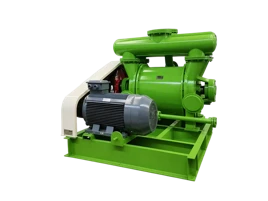
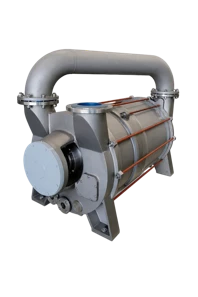
Selecting the right type of rotary liquid ring compressor for a specific process is a critical decision that can significantly impact the efficiency, reliability, and cost - effectiveness of your operations. As a reputable supplier of rotary liquid ring compressors, I understand the complexities involved in this selection process. In this blog post, I'll guide you through the key factors to consider when choosing the appropriate compressor for your specific application.
Understanding the Basics of Rotary Liquid Ring Compressors
Before delving into the selection process, it's essential to have a basic understanding of how rotary liquid ring compressors work. These compressors operate on a simple yet effective principle. A rotor with blades is eccentrically mounted within a cylindrical casing. The casing is filled with a sealing liquid, typically water. As the rotor rotates, the liquid forms a ring due to centrifugal force. The space between the rotor blades and the liquid ring changes in volume as the rotor turns, allowing for the intake, compression, and discharge of gas.

The advantages of rotary liquid ring compressors include their ability to handle wet and dirty gases, their relatively low noise levels, and their simplicity in design, which translates to lower maintenance requirements. However, not all rotary liquid ring compressors are created equal, and choosing the right one for your process is crucial.
Key Factors in Selecting a Rotary Liquid Ring Compressor
1. Gas Type and Composition
The type and composition of the gas being compressed are among the most important factors to consider. Different gases have different physical properties, such as density, viscosity, and solubility in the sealing liquid. For example, if you are compressing a gas that is highly soluble in water, you may need to consider using a different sealing liquid or a compressor with a special design to prevent excessive absorption of the gas into the liquid.
Some gases may also be corrosive or reactive. In such cases, the materials of construction of the compressor need to be carefully selected to ensure long - term durability. For instance, if you are compressing a gas containing chlorine, you would need a compressor made of corrosion - resistant materials like stainless steel or special coatings.
2. Flow Rate and Pressure Requirements
The required flow rate and pressure of the gas are fundamental parameters in compressor selection. The flow rate, usually measured in cubic meters per hour (m³/h) or cubic feet per minute (CFM), indicates the volume of gas that needs to be compressed within a given time. The pressure requirement, typically expressed in pascals (Pa), bars, or pounds per square inch (psi), refers to the pressure to which the gas needs to be compressed.
Our Y Liquid Ring Compressor is available in a wide range of flow rates and pressure capabilities, making it suitable for various industrial applications. It can handle moderate to high flow rates and can achieve pressures that meet the demands of many processes.
3. Temperature and Humidity Conditions
The temperature and humidity of the gas and the surrounding environment can also affect the performance of the compressor. High temperatures can reduce the density of the gas, which in turn can affect the compression efficiency. Additionally, if the gas is saturated with water vapor, it can cause problems such as water condensation inside the compressor, which may lead to corrosion and reduced performance.
In hot and humid environments, it may be necessary to use a compressor with a cooling system or to pre - treat the gas to remove excess moisture. Our YE Liquid Ring Compressor is designed to operate efficiently under a wide range of temperature and humidity conditions, thanks to its advanced cooling and moisture management features.
4. Process Continuity and Reliability
For many industrial processes, continuity of operation is crucial. Any downtime can result in significant losses in production and revenue. Therefore, it's important to choose a compressor that is reliable and has a low probability of failure.
Factors that contribute to the reliability of a rotary liquid ring compressor include the quality of its components, the design of its lubrication and cooling systems, and the ease of maintenance. Our compressors are built with high - quality materials and undergo rigorous quality control tests to ensure long - term reliability. We also offer comprehensive maintenance and support services to minimize downtime and keep your compressor running smoothly.
5. Energy Efficiency
Energy consumption is a major cost factor in compressor operation. An energy - efficient compressor can significantly reduce your operating costs over the long term. When selecting a compressor, look for features such as efficient motor design, optimized compression ratios, and advanced control systems.
Our compressors are designed with energy efficiency in mind. They use high - efficiency motors and advanced control algorithms to adjust the compressor's operation based on the actual demand, reducing energy consumption without sacrificing performance.

Case Studies: Choosing the Right Compressor for Specific Processes
Chemical Processing
In a chemical processing plant, the compressor is used to compress a variety of gases, including corrosive and reactive ones. For a process that involves compressing a mixture of hydrochloric acid vapor and air, a compressor made of corrosion - resistant materials is essential. The Y Liquid Ring Compressor with its stainless - steel construction and special sealing materials can handle this type of corrosive gas mixture effectively.
Food and Beverage Industry
In the food and beverage industry, the compressor is used for tasks such as packaging, aeration, and fermentation. The gas being compressed is usually air, and hygiene is a top priority. The YE Liquid Ring Compressor is an ideal choice as it can be easily cleaned and sanitized, and it meets the strict hygiene standards required in this industry.

Making the Final Decision
After considering all the above factors, it's time to make the final decision. It's advisable to consult with our technical experts, who can provide in - depth analysis and recommendations based on your specific process requirements. We can also conduct on - site tests and simulations to ensure that the selected compressor will perform optimally in your application.
Contact Us for Procurement and Negotiation
If you are in the market for a rotary liquid ring compressor and need help in choosing the right one for your specific process, we are here to assist you. Our team of experts is ready to answer your questions, provide detailed product information, and engage in procurement negotiations. Don't hesitate to reach out to us to find the perfect compressor solution for your needs.
References
- Perry, R. H., & Green, D. W. (Eds.). (1997). Perry's Chemical Engineers' Handbook. McGraw - Hill.
- Schweitzer, P. A. (2004). Handbook of Corrosion Engineering. McGraw - Hill.
- ASME PTC 10-1997, Performance Test Code on Compressors and Exhausters. American Society of Mechanical Engineers.