As a supplier of rough vacuum pumps, I've seen firsthand how crucial it is to keep these machines in top - notch condition. One of the most common issues that can pop up is air leakage. In this blog, I'm gonna share some tips on how to detect air leakage in a rough vacuum pump.
First off, let's understand why air leakage is such a big deal. When there's an air leak in a rough vacuum pump, it can mess up the whole vacuum - creating process. The pump has to work harder to maintain the desired vacuum level, which not only uses more energy but also wears out the pump components faster. This can lead to more frequent breakdowns and higher maintenance costs.
Visual Inspection
The simplest way to start detecting air leakage is through a visual inspection. This is like the first step in a detective's investigation. Check the entire pump system for any obvious signs of damage or wear. Look at the gaskets, seals, and connections. Over time, gaskets can dry out, crack, or become misaligned. Seals may get worn down due to friction. And loose connections can create small gaps where air can seep in.
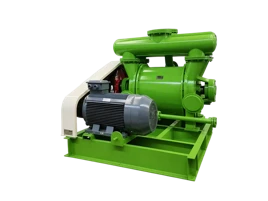
For example, if you're using a 2BE3 Large Liquid Ring Vacuum Pump, carefully examine the gaskets around the inlet and outlet ports. These areas are under a lot of pressure, so they're more prone to leaks. If you see any signs of damage, like a split in the gasket or a seal that looks compressed unevenly, it's a good indication that there might be an air leak.

Pressure Decay Test
A pressure decay test is a more scientific way to detect air leakage. Here's how it works. First, isolate the vacuum pump system from the rest of the process. Then, use a vacuum pump to create a specific vacuum level in the system. Once the desired vacuum is reached, turn off the pump and close all the valves to seal the system.
Next, use a pressure gauge to monitor the pressure inside the system over a period of time. If there's no air leakage, the pressure should stay relatively stable. But if the pressure starts to rise, it means air is getting into the system. This could be due to a leak in the pump itself, or in the pipes and connections.
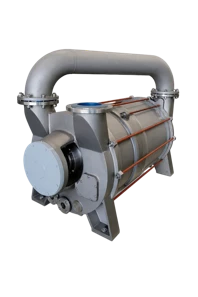
For instance, if you're dealing with a 2BV Liquid Ring Vacuum Pump, you can set up this test easily. Just make sure you follow the manufacturer's instructions for creating the right vacuum level and the time interval for monitoring the pressure.
Bubble Test
The bubble test is a tried - and - true method that's both simple and effective. You'll need a soapy water solution for this. Mix some dish soap with water in a spray bottle. Then, spray the soapy water on all the potential leak points, such as the gaskets, seals, and pipe connections.
If there's an air leak, the air escaping from the leak will create bubbles in the soapy water. It's like a visual sign that there's a problem. This method is great for finding small leaks that might be hard to detect through other means.
Let's say you have a 2BE1 Liquid Ring Vacuum Pump. You can use the bubble test to check the connections between the pump and the pipes. Sometimes, these connections can develop small leaks over time, and the bubble test can quickly identify them.
Helium Mass Spectrometer Leak Detection
For more precise and sensitive leak detection, you can use a helium mass spectrometer. This is a high - tech device that can detect even the tiniest air leaks. Here's how it works. First, you need to evacuate the vacuum pump system to a very low pressure. Then, you introduce helium gas around the potential leak points.
If there's a leak, the helium will enter the system. The mass spectrometer can detect the presence of helium in the system and measure the rate of the leak. This method is especially useful for industrial applications where a very high level of vacuum is required.

However, using a helium mass spectrometer requires some expertise and special equipment. It's also more expensive than the other methods, so it's usually reserved for more critical situations.
Listening for Leaks
Sometimes, you can even detect air leakage just by listening. When there's an air leak, it can create a hissing or whistling sound. Turn off any other noisy equipment in the area and listen carefully around the pump. If you hear a hissing sound, try to locate the source of the sound. It could be coming from a loose connection or a damaged gasket.
This method is not as accurate as the others, but it can be a quick way to get an idea if there's a problem. And it doesn't require any special tools or equipment.
Regular Maintenance and Monitoring
One of the best ways to prevent and detect air leakage is through regular maintenance and monitoring. Keep a log of the pump's performance, including the vacuum level, power consumption, and operating temperature. If you notice any sudden changes in these parameters, it could be a sign of an air leak or other problems.
For example, if the power consumption of the pump starts to increase while the vacuum level is dropping, it's likely that there's an air leak. Regularly inspect the pump and its components, and replace any worn - out parts as soon as possible.
In conclusion, detecting air leakage in a rough vacuum pump is an important part of keeping the pump running smoothly. By using a combination of these methods, you can quickly identify and fix any air leaks, saving you time and money in the long run.
If you're in the market for a high - quality rough vacuum pump or need more advice on maintaining your existing pump, don't hesitate to reach out. We're here to help you get the most out of your vacuum pump system.
References

- Vacuum Technology Handbook
- Liquid Ring Vacuum Pump Operation and Maintenance Guide