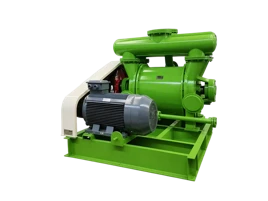
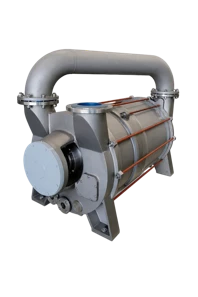
A rough vacuum pump is a crucial piece of equipment in various industrial and scientific applications. It is used to create a low-pressure environment by removing gas molecules from a sealed chamber. However, to ensure its optimal performance, regular calibration is essential. As a supplier of rough vacuum pumps, including the 2BV Liquid Ring Vacuum Pump, 2BE1 Liquid Ring Vacuum Pump, and 2BED 2 Stage Liquid Ring Vacuum Pump, I understand the significance of proper calibration. In this blog, I will guide you through the process of calibrating a rough vacuum pump.


Understanding the Basics of Calibration
Calibration is the process of comparing the measurements or performance of a device with a known standard to determine its accuracy and make adjustments if necessary. For a rough vacuum pump, calibration involves checking and adjusting parameters such as vacuum level, flow rate, and pressure to ensure they meet the specified requirements.
Pre - calibration Preparations
Before starting the calibration process, it is important to take some preparatory steps:
1. Safety First
Ensure that the pump is turned off and disconnected from the power source. Wear appropriate personal protective equipment (PPE), such as safety glasses and gloves, to protect yourself from potential hazards.
2. Gather Necessary Tools
You will need a vacuum gauge, a flow meter (if applicable), a pressure sensor, and any other tools recommended by the pump manufacturer. Make sure these tools are calibrated and in good working condition.
3. Review the Manufacturer's Manual
The manufacturer's manual provides detailed information about the pump's specifications, operating procedures, and calibration requirements. Familiarize yourself with this information before proceeding.
Step - by - Step Calibration Process
1. Check the Vacuum Level
- Connect the Vacuum Gauge: Connect a calibrated vacuum gauge to the pump's vacuum port. Make sure the connection is air - tight to prevent any leaks.
- Start the Pump: Turn on the pump and allow it to reach a stable operating state. This may take a few minutes depending on the pump's size and type.
- Measure the Vacuum Level: Read the vacuum level indicated on the gauge. Compare this value with the pump's specified vacuum level. If the measured value deviates significantly from the specified value, adjustments may be required.
2. Adjust the Vacuum Level
- Throttle Valve Adjustment: Some rough vacuum pumps are equipped with a throttle valve that can be used to adjust the vacuum level. Turn the throttle valve clockwise to increase the vacuum level and counter - clockwise to decrease it. Make small adjustments and monitor the vacuum gauge until the desired level is reached.
- Check for Leaks: If the vacuum level cannot be adjusted to the specified value, check for leaks in the system. Inspect all connections, seals, and gaskets for signs of damage or wear. Repair or replace any faulty components as necessary.
3. Measure the Flow Rate (if applicable)
- Install the Flow Meter: If your pump is designed to handle a specific flow rate, install a calibrated flow meter in the appropriate location in the system.
- Record the Flow Rate: Start the pump and allow it to reach a stable operating state. Read the flow rate indicated on the flow meter. Compare this value with the pump's specified flow rate.
4. Adjust the Flow Rate
- Valve Adjustment: Similar to the vacuum level adjustment, some pumps have valves that can be used to control the flow rate. Adjust these valves according to the manufacturer's instructions to achieve the desired flow rate.
5. Check the Pressure
- Connect the Pressure Sensor: Connect a calibrated pressure sensor to the pump's discharge port.
- Measure the Pressure: Start the pump and allow it to reach a stable operating state. Read the pressure indicated on the sensor. Compare this value with the pump's specified discharge pressure.
6. Adjust the Pressure
- Relief Valve Adjustment: If the pressure is too high or too low, adjust the relief valve. The relief valve is designed to maintain a safe and stable pressure in the system. Turn the adjustment screw on the relief valve to increase or decrease the pressure as needed.
Post - calibration Checks
After completing the calibration process, it is important to perform some post - calibration checks:
1. Monitor the Pump's Performance
Run the pump for an extended period and monitor its performance. Check the vacuum level, flow rate, and pressure at regular intervals to ensure they remain stable.
2. Document the Calibration
Record the calibration results, including the initial and final values of the vacuum level, flow rate, and pressure. This documentation will be useful for future reference and maintenance.
Importance of Regular Calibration
Regular calibration of a rough vacuum pump offers several benefits:
1. Improved Performance
Calibrated pumps operate more efficiently, providing consistent and accurate vacuum levels, flow rates, and pressures. This can lead to better product quality and increased productivity in industrial processes.
2. Extended Lifespan
Properly calibrated pumps experience less wear and tear, reducing the risk of breakdowns and extending their lifespan. This can result in significant cost savings in the long run.
3. Compliance with Standards
In many industries, compliance with specific safety and quality standards is mandatory. Regular calibration ensures that your pump meets these standards, avoiding potential legal issues.
Contact for Purchase and Consultation
If you are in the market for a high - quality rough vacuum pump or need further assistance with pump calibration, we are here to help. Our team of experts can provide you with detailed information about our products, including the 2BV Liquid Ring Vacuum Pump, 2BE1 Liquid Ring Vacuum Pump, and 2BED 2 Stage Liquid Ring Vacuum Pump. We are committed to providing you with the best solutions for your vacuum pumping needs. Don't hesitate to reach out to us for more information and to start a purchase negotiation.
References
- Manufacturer's manuals for rough vacuum pumps
- Industry standards and guidelines for vacuum pump calibration