Hey there! As a supplier of high flow vacuum pumps, I often get asked about the temperature range for these pumps to operate. It's a crucial question because the temperature can significantly affect the performance and lifespan of the pump. So, let's dive right in and explore this topic.
First off, what exactly is a high flow vacuum pump? Well, it's a type of pump that's designed to move large volumes of gas or vapor at a relatively low pressure. These pumps are used in a wide range of industries, from chemical processing and food packaging to semiconductor manufacturing and power generation. They're essential for creating and maintaining a vacuum environment in various applications.
Now, let's talk about the temperature range. The ideal operating temperature for a high flow vacuum pump can vary depending on the type of pump, its design, and the specific application. Generally speaking, most high flow vacuum pumps are designed to operate within a temperature range of about 5°C to 40°C (41°F to 104°F).
Effects of Low Temperatures
When the temperature drops below the recommended range, several issues can arise. For starters, the viscosity of the lubricating oil in the pump can increase. This means that the oil becomes thicker and doesn't flow as easily. As a result, the pump may experience increased friction and wear, which can lead to premature failure. The seals in the pump can also become brittle at low temperatures, increasing the risk of leaks.
In addition, low temperatures can affect the performance of the pump's internal components. For example, the motor may have difficulty starting or running efficiently in cold conditions. This can lead to reduced pumping speed and a decrease in overall performance.
Effects of High Temperatures
On the other hand, high temperatures can also cause problems. When the temperature rises above the recommended range, the lubricating oil can break down more quickly. This reduces its ability to lubricate and protect the pump's components, leading to increased wear and tear. High temperatures can also cause the pump's materials to expand, which can affect the alignment of the internal parts and lead to mechanical issues.
Moreover, excessive heat can cause the pump to overheat, which can trigger safety shutdowns. This not only disrupts the operation but can also cause damage to the pump if it happens frequently. In some cases, high temperatures can even cause the pump to catch fire, posing a serious safety risk.
Controlling the Temperature
So, how can you ensure that your high flow vacuum pump operates within the recommended temperature range? One of the most effective ways is to use a cooling system. There are several types of cooling systems available, including air-cooled and water-cooled systems.
Air-cooled systems use fans to blow air over the pump to dissipate heat. They're relatively simple and cost-effective, but they may not be as efficient in high-temperature environments. Water-cooled systems, on the other hand, use water to absorb and carry away heat from the pump. They're more efficient but require a constant supply of water and a more complex setup.
Another important factor is proper ventilation. Make sure that the pump is installed in a well-ventilated area to allow for adequate air circulation. This will help to prevent heat from building up around the pump.
Our High Flow Vacuum Pump Offerings
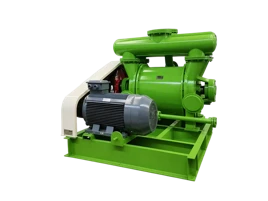
At our company, we offer a wide range of high flow vacuum pumps to meet the needs of different industries. For example, our 2BED 2 Stage Liquid Ring Vacuum Pump is designed for high-performance applications. It's capable of handling large volumes of gas and can operate within the recommended temperature range with proper maintenance.
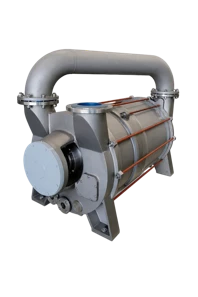
The 2BE1 Liquid Ring Vacuum Pump is another popular option. It's known for its reliability and energy efficiency. This pump is suitable for a variety of applications and can withstand a wide range of temperatures within the recommended limits.
If you need a pump for large-scale operations, our 2BE3 Large Liquid Ring Vacuum Pump is a great choice. It offers high pumping speed and can handle heavy-duty applications.
Importance of Temperature Monitoring
To ensure that your high flow vacuum pump operates within the optimal temperature range, it's essential to monitor the temperature regularly. You can use temperature sensors to measure the temperature of the pump's key components, such as the motor, the oil, and the housing. By keeping a close eye on the temperature, you can detect any potential issues early and take corrective action before they cause serious damage.
Maintenance and Temperature Management
Proper maintenance is also crucial for managing the temperature of your high flow vacuum pump. This includes regular oil changes, filter replacements, and inspections of the pump's components. Make sure to follow the manufacturer's recommended maintenance schedule to keep the pump in good working condition.
In addition, it's important to choose the right lubricating oil for your pump. The oil should be suitable for the expected temperature range and the type of pump you're using. Using the wrong oil can lead to performance issues and premature failure.
Conclusion
In conclusion, the temperature range for a high flow vacuum pump to operate is typically between 5°C and 40°C (41°F to 104°F). Both low and high temperatures can have a significant impact on the pump's performance and lifespan. By understanding the effects of temperature and taking appropriate measures to control it, you can ensure that your pump operates efficiently and reliably.


If you're in the market for a high flow vacuum pump or need more information about temperature management, feel free to reach out to us. We're here to help you find the right solution for your specific needs. Let's start a conversation and see how we can work together to meet your vacuum pumping requirements.
References
- ASME (American Society of Mechanical Engineers) Standards on Pump Performance and Temperature Management
- Manufacturer's Manuals for High Flow Vacuum Pumps