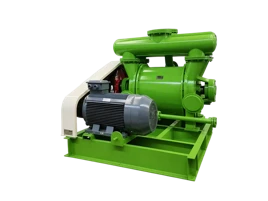
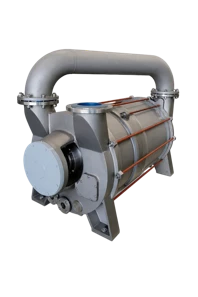
Hey there! As a supplier of dry pumps, I've seen firsthand how crucial it is to keep these machines running smoothly. A stable dry pump operation not only boosts efficiency but also saves you a ton of time and money in the long run. So, in this blog, I'm gonna share some tips on how to ensure the stability of a dry pump operation.
Understanding Your Dry Pump
First things first, you need to understand what makes your dry pump tick. Different types of dry pumps have different operating principles and requirements. For example, the NZJP Multistage Roots Vacuum Pump is known for its high pumping speed and low noise level. It works by using multiple stages of Roots rotors to create a vacuum. On the other hand, the ZJP Roots Vacuum Pump is a single - stage or multi - stage Roots pump that can handle a wide range of pressures. And the VDP Dry Screw Vacuum Pump uses two screw rotors to pump gas.
Knowing the ins and outs of your specific dry pump model will help you identify potential issues early on and take appropriate measures to prevent them. You can refer to the user manual that comes with the pump or reach out to our technical support team for more detailed information.
Proper Installation
A proper installation is the foundation of a stable dry pump operation. Here are some key points to keep in mind:
- Location: Choose a clean, dry, and well - ventilated area for the pump. Avoid placing it near sources of heat, dust, or moisture. The ambient temperature should be within the recommended range specified in the manual.
- Leveling: Make sure the pump is installed on a flat and stable surface. Uneven installation can cause excessive vibration, which may lead to premature wear and tear of the pump components.
- Piping: Use the right size and type of piping for the pump. The pipes should be properly connected and sealed to prevent leaks. Also, minimize the number of bends and restrictions in the piping system to ensure smooth gas flow.
Regular Maintenance
Regular maintenance is essential for keeping your dry pump in top shape. Here's a basic maintenance checklist:
- Cleaning: Regularly clean the pump and its surrounding area to remove dust, dirt, and debris. This helps prevent clogging of the intake and exhaust ports.
- Lubrication: If your dry pump has lubricated parts, make sure to use the recommended lubricant and follow the lubrication schedule. Proper lubrication reduces friction and wear, extending the life of the pump.
- Filter Replacement: Replace the filters at the recommended intervals. Filters play a crucial role in protecting the pump from contaminants. A clogged filter can reduce the pump's performance and efficiency.
- Inspection: Periodically inspect the pump for signs of wear, damage, or leaks. Check the belts, couplings, and other moving parts for proper tension and alignment.
Monitoring and Control
Monitoring the performance of your dry pump is an important part of ensuring its stability. You can use various monitoring tools and techniques:
- Pressure and Flow Sensors: Install pressure and flow sensors to monitor the pump's operating pressure and gas flow rate. Abnormal pressure or flow readings can indicate a problem with the pump or the piping system.
- Temperature Sensors: Temperature sensors can help you detect overheating, which may be caused by excessive friction, poor ventilation, or other issues. High temperatures can damage the pump components and reduce its lifespan.
- Vibration Analysis: Vibration analysis can be used to detect mechanical problems in the pump, such as misalignment or imbalance. Excessive vibration can lead to premature failure of the pump.
Based on the monitoring data, you can adjust the pump's operating parameters or take corrective actions in a timely manner.
Operator Training
Proper operator training is often overlooked but is actually very important. Operators should be trained to understand the pump's operation, maintenance requirements, and safety procedures. A well - trained operator can:
- Start and Stop the Pump Correctly: Incorrect startup and shutdown procedures can cause damage to the pump. Operators should follow the recommended procedures to ensure a smooth start and stop.
- Recognize and Respond to Problems: Trained operators are more likely to recognize early signs of problems and take appropriate actions. This can prevent minor issues from turning into major breakdowns.
- Maintain a Safe Working Environment: Operators should be aware of the safety hazards associated with the pump and follow the safety guidelines to protect themselves and others.
Dealing with Contaminants
Contaminants can have a significant impact on the stability of a dry pump operation. Here are some ways to deal with contaminants:
- Pre - filtration: Use pre - filters to remove large particles and contaminants before the gas enters the pump. This helps protect the pump from damage and reduces the frequency of filter replacement.
- Chemical Resistance: If your dry pump is exposed to corrosive or reactive gases, choose a pump with the appropriate chemical resistance. Special coatings or materials can be used to protect the pump from chemical attack.
- Purge Systems: Some dry pumps are equipped with purge systems that can be used to remove contaminants from the pump chamber. Purge systems can help maintain a clean and stable operating environment.
Troubleshooting
Even with proper maintenance and monitoring, problems may still occur. Here are some common problems and their possible solutions:
- Low Pumping Speed: Low pumping speed can be caused by a clogged filter, a leak in the piping system, or a worn - out pump component. Check the filters, inspect the pipes for leaks, and replace any worn parts.
- Excessive Noise or Vibration: Excessive noise or vibration can be due to misalignment, imbalance, or a loose component. Check the alignment of the pump and its components, and tighten any loose parts.
- Overheating: Overheating can be caused by poor ventilation, excessive friction, or a malfunctioning cooling system. Check the ventilation, lubrication, and cooling systems and make the necessary adjustments.
If you encounter a problem that you can't solve on your own, don't hesitate to contact our technical support team. We're here to help you get your pump back up and running as quickly as possible.
Conclusion
Ensuring the stability of a dry pump operation requires a combination of proper installation, regular maintenance, monitoring, and operator training. By following the tips and guidelines in this blog, you can minimize the risk of breakdowns, improve the efficiency of your dry pump, and extend its lifespan.


If you're interested in purchasing a dry pump or need more information about our products and services, we'd love to hear from you. Contact us to start a procurement discussion, and our team will be happy to assist you with your specific needs.
References
- Manufacturer's manuals for NZJP Multistage Roots Vacuum Pump, ZJP Roots Vacuum Pump, and VDP Dry Screw Vacuum Pump.
- Industry standards and best practices for dry pump operation and maintenance.