As a supplier of industrial water vacuum pumps, one of the most frequently asked questions we encounter is whether an industrial water vacuum pump can be used for continuous operation. This question is crucial for industries that rely on these pumps for their day - to - day operations, such as chemical processing, food and beverage production, and power generation. In this blog post, we will explore the factors that determine the suitability of continuous operation for industrial water vacuum pumps and provide insights based on our experience in the field.
Understanding Industrial Water Vacuum Pumps
Industrial water vacuum pumps are designed to create a vacuum by removing gas molecules from a sealed volume. There are several types of industrial water vacuum pumps, including liquid ring vacuum pumps, which are widely used due to their simplicity, reliability, and ability to handle wet and dirty gases.
Liquid ring vacuum pumps work by using a rotating impeller to create a liquid ring inside the pump casing. As the impeller rotates, the liquid ring traps and compresses the gas, which is then discharged from the pump. The liquid used in the ring, usually water, also serves as a coolant and a sealing medium.
Factors Affecting Continuous Operation
1. Pump Design and Construction
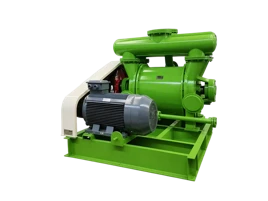
The design and construction of an industrial water vacuum pump play a significant role in its ability to operate continuously. High - quality pumps are built with durable materials and precision engineering to withstand the rigors of continuous use. For example, our 2BE1 Liquid Ring Vacuum Pump is designed with a robust cast iron casing and high - grade impellers, which can handle continuous operation in demanding industrial environments.
The internal components of the pump, such as the bearings and seals, are also critical. Bearings need to be properly lubricated and cooled to prevent overheating and premature wear. Seals must be able to maintain a tight seal to prevent gas leakage, which can reduce the pump's efficiency and performance.
2. Cooling and Heat Dissipation
Continuous operation generates heat, and proper cooling is essential to prevent the pump from overheating. In liquid ring vacuum pumps, the water used in the liquid ring helps to dissipate heat. However, in high - load continuous operation, additional cooling measures may be required. For instance, some pumps are equipped with external cooling systems, such as water - cooled jackets or heat exchangers.
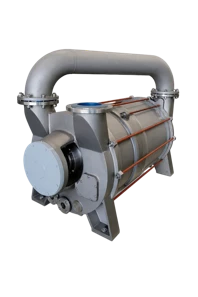
Our 2BV Liquid Ring Vacuum Pump has an efficient cooling design that allows it to operate continuously without overheating. The water circulation system ensures that the heat generated during operation is effectively removed, maintaining the pump's performance and reliability.
3. Maintenance and Service
Regular maintenance is crucial for the continuous operation of industrial water vacuum pumps. This includes tasks such as checking and replacing worn - out parts, lubricating bearings, and monitoring the water quality in the liquid ring. Neglecting maintenance can lead to reduced pump efficiency, increased energy consumption, and even pump failure.
We recommend following a strict maintenance schedule and using genuine replacement parts to ensure the long - term performance of the pump. Our technical support team can provide detailed maintenance guidelines and assistance to our customers.
4. Operating Conditions
The operating conditions of the pump, such as the inlet pressure, temperature, and the type of gas being pumped, also affect its ability to operate continuously. For example, pumping corrosive or abrasive gases can cause damage to the pump's internal components over time. In such cases, special materials or coatings may be required to protect the pump.
The 2BE3 Large Liquid Ring Vacuum Pump is designed to handle a wide range of operating conditions. It can operate at different inlet pressures and temperatures, making it suitable for continuous operation in various industrial applications.
Benefits of Continuous Operation
When an industrial water vacuum pump is properly designed, maintained, and operated under suitable conditions, continuous operation can offer several benefits.
1. Increased Productivity
Continuous operation allows industries to maintain a steady production flow without interruptions. This is particularly important in industries where downtime can result in significant losses, such as in chemical manufacturing or food processing.
2. Energy Efficiency
In some cases, continuous operation can be more energy - efficient than intermittent operation. Once the pump reaches its optimal operating condition, it can operate at a relatively constant energy consumption level, reducing overall energy costs.
3. Consistent Performance
Continuous operation helps to maintain a consistent vacuum level, which is essential for many industrial processes. This ensures the quality and consistency of the final product.


Conclusion
In conclusion, an industrial water vacuum pump can be used for continuous operation, provided that it is properly designed, constructed, and maintained. The key factors to consider include pump design, cooling, maintenance, and operating conditions. By choosing a high - quality pump and following the recommended maintenance procedures, industries can enjoy the benefits of continuous operation, such as increased productivity, energy efficiency, and consistent performance.
If you are considering purchasing an industrial water vacuum pump for continuous operation, our team of experts can help you select the right pump for your specific needs. We offer a wide range of industrial water vacuum pumps, including the 2BE1 Liquid Ring Vacuum Pump, 2BV Liquid Ring Vacuum Pump, and 2BE3 Large Liquid Ring Vacuum Pump. Contact us today to start a discussion about your requirements and explore the best solutions for your industrial applications.
References
- Perry, R. H., & Green, D. W. (1997). Perry's Chemical Engineers' Handbook. McGraw - Hill.
- vacuum pump manufacturers' technical manuals and product specifications.