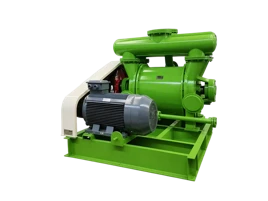
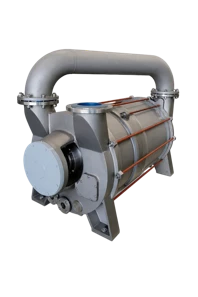
As a supplier of water ring vacuum pumps, I understand the importance of extending the lifespan of these essential pieces of equipment. A well - maintained water ring vacuum pump not only saves costs in the long run but also ensures consistent and efficient operation. In this blog, I'll share some practical tips on how to extend the lifespan of your water ring vacuum pump.
1. Proper Installation
The first step in ensuring a long - lasting water ring vacuum pump is proper installation. Incorrect installation can lead to premature wear and tear, as well as performance issues.
- Level Installation: The pump should be installed on a flat and stable surface. Any unevenness can cause misalignment of the internal components, leading to increased vibration and friction. This can damage the impeller, bearings, and other crucial parts over time.
- Correct Piping: Use the appropriate diameter and length of pipes for the inlet and outlet. Improper piping can cause excessive pressure drops or restrictions, which can strain the pump. Make sure the pipes are properly supported to prevent any stress on the pump connections.
- Isolation from Vibration: Install vibration isolators between the pump and the foundation. This helps to reduce the transmission of vibrations to the surrounding structure and also protects the pump from external vibrations that could damage its internal components.
2. Regular Maintenance
Regular maintenance is the key to extending the lifespan of your water ring vacuum pump.
- Oil and Lubrication: If your pump has oil - lubricated components, such as bearings, make sure to use the recommended type of oil and change it at the specified intervals. Clean oil reduces friction and wear on moving parts, preventing overheating and premature failure. Check the oil level regularly and top it up if necessary.
- Seal Inspection: The seals in the pump prevent leakage of the working fluid. Inspect the seals regularly for signs of wear, damage, or leakage. Replace any worn - out seals promptly to avoid loss of vacuum and potential damage to other components.
- Impeller and Casing Inspection: The impeller is a critical component of the water ring vacuum pump. Check it for signs of erosion, corrosion, or damage. Over time, the impeller can be affected by the working fluid and the materials being pumped. Similarly, inspect the pump casing for any cracks or damage. Any issues with the impeller or casing can affect the pump's performance and should be addressed immediately.
3. Quality of Working Fluid
The working fluid in a water ring vacuum pump plays a vital role in its operation and lifespan.


- Water Quality: Most water ring vacuum pumps use water as the working fluid. Use clean, soft water to prevent the build - up of scale and sediment inside the pump. Hard water can cause scale deposits on the impeller, casing, and other internal surfaces, reducing the pump's efficiency and potentially causing damage. If the water in your area is hard, consider using a water softener or a pre - treatment system.
- Fluid Temperature: Keep the temperature of the working fluid within the recommended range. High fluid temperatures can reduce the pump's efficiency and increase the risk of cavitation. Cavitation occurs when bubbles form and collapse in the fluid, causing damage to the impeller and other components. Install a cooling system if necessary to maintain the proper fluid temperature.
4. Correct Operating Conditions
Operating the water ring vacuum pump under the right conditions is essential for its longevity.
- Avoid Overloading: Do not operate the pump beyond its rated capacity. Overloading can cause excessive stress on the motor, impeller, and other components, leading to premature failure. Make sure to select a pump with the appropriate capacity for your application.
- Proper Start - up and Shut - down Procedures: Follow the manufacturer's recommended start - up and shut - down procedures. This includes priming the pump correctly before start - up and allowing the pump to run for a short period before shutting it down to prevent any damage from sudden pressure changes.
5. Monitoring and Diagnostic Tools
Using monitoring and diagnostic tools can help you detect potential problems early and take corrective action.
- Vibration Monitoring: Install vibration sensors on the pump to detect any abnormal vibrations. Increased vibration can be a sign of misalignment, imbalance, or other internal problems. By monitoring vibrations regularly, you can identify issues before they cause significant damage.
- Temperature Monitoring: Monitor the temperature of the motor, bearings, and working fluid. Elevated temperatures can indicate problems such as overloading, lack of lubrication, or inefficient cooling. Set up alarms to alert you when the temperature exceeds the normal range.
Our Product Recommendations
We offer a range of high - quality water ring vacuum pumps, including the 2BED 2 Stage Liquid Ring Vacuum Pump, 2BE1 Liquid Ring Vacuum Pump, and 2BE3 Large Liquid Ring Vacuum Pump. These pumps are designed for durability and efficiency, and with proper care and maintenance, they can provide reliable service for many years.
Contact Us for Purchase and Consultation
If you are interested in purchasing a water ring vacuum pump or need more information on how to extend the lifespan of your existing pump, please feel free to contact us. Our team of experts is ready to assist you with all your vacuum pump needs.
References
- ASME Performance Test Codes for Vacuum Pumps
- Manufacturer's manuals for water ring vacuum pumps