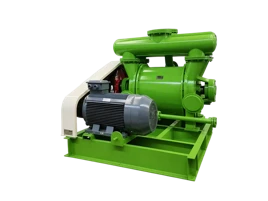
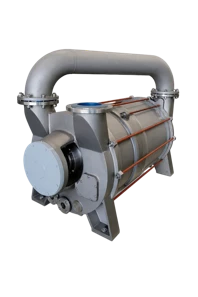
Adjusting the vacuum level of a heavy-duty vacuum pump is a critical skill that can significantly impact the efficiency and performance of various industrial processes. As a leading supplier of heavy-duty vacuum pumps, including the 2BE3 Large Liquid Ring Vacuum Pump, 2BED 2 Stage Liquid Ring Vacuum Pump, and 2BE1 Liquid Ring Vacuum Pump, we understand the importance of precise vacuum level adjustment. In this blog post, we will explore the key steps and considerations for adjusting the vacuum level of a heavy-duty vacuum pump.
Understanding Vacuum Level Basics
Before delving into the adjustment process, it's essential to have a basic understanding of vacuum levels. Vacuum is defined as a space devoid of matter, and the vacuum level is typically measured in units such as torr, millibar, or pascal. The lower the pressure, the higher the vacuum level. In industrial applications, different processes require specific vacuum levels to function optimally. For example, some processes may require a high vacuum level for precise material handling, while others may need a moderate vacuum level for general suction purposes.
Factors Affecting Vacuum Level
Several factors can affect the vacuum level of a heavy-duty vacuum pump. These include:
- Pump Design and Capacity: The design and capacity of the vacuum pump play a crucial role in determining the achievable vacuum level. Different types of vacuum pumps, such as liquid ring pumps, rotary vane pumps, and diaphragm pumps, have different operating characteristics and vacuum capabilities.
- System Leakage: Leakage in the vacuum system can significantly reduce the vacuum level. Even small leaks can allow air to enter the system, preventing the pump from achieving the desired vacuum level.
- Gas Load: The amount of gas or vapor present in the system can also affect the vacuum level. High gas loads can overload the pump and prevent it from reaching the desired vacuum level.
- Temperature: Temperature can impact the performance of the vacuum pump and the vacuum level. Higher temperatures can increase the vapor pressure of the working fluid, reducing the pump's efficiency and vacuum level.
Steps to Adjust the Vacuum Level
The following steps can be followed to adjust the vacuum level of a heavy-duty vacuum pump:
- Check the Pump and System: Before making any adjustments, it's important to check the pump and the entire vacuum system for any signs of damage or leakage. Inspect the pump for proper operation, check the seals and gaskets for leaks, and ensure that all connections are tight.
- Determine the Desired Vacuum Level: Based on the specific requirements of your application, determine the desired vacuum level. Refer to the process specifications or consult with a technical expert to ensure that you select the appropriate vacuum level.
- Adjust the Pump Speed: In some cases, adjusting the pump speed can help to achieve the desired vacuum level. Increasing the pump speed can increase the pumping capacity and potentially improve the vacuum level. However, it's important to note that increasing the pump speed may also increase the power consumption and wear on the pump.
- Adjust the Inlet Valve: Some vacuum pumps are equipped with an inlet valve that can be adjusted to control the flow of gas into the pump. By adjusting the inlet valve, you can regulate the gas load and potentially improve the vacuum level.
- Use a Vacuum Regulator: A vacuum regulator can be used to maintain a constant vacuum level in the system. The regulator monitors the vacuum level and adjusts the flow of gas or air into the system to maintain the desired vacuum level.
- Address System Leakage: If you suspect that there is leakage in the vacuum system, it's important to identify and repair the leaks as soon as possible. Use a leak detector to locate the leaks and seal them using appropriate gaskets, seals, or adhesives.
- Monitor and Maintain the Vacuum Level: Once you have adjusted the vacuum level, it's important to monitor the level regularly to ensure that it remains stable. Use a vacuum gauge to measure the vacuum level and make any necessary adjustments as needed.
Tips for Optimal Vacuum Level Adjustment
- Follow the Manufacturer's Instructions: Always refer to the manufacturer's instructions and guidelines when adjusting the vacuum level of your heavy-duty vacuum pump. The manufacturer's instructions will provide specific information on how to adjust the pump and ensure its safe and efficient operation.
- Use High-Quality Components: Using high-quality components, such as seals, gaskets, and valves, can help to minimize leakage and improve the performance of the vacuum system.
- Perform Regular Maintenance: Regular maintenance of the vacuum pump and the entire system is essential to ensure optimal performance and vacuum level. Follow the recommended maintenance schedule and perform tasks such as oil changes, filter replacements, and pump inspections.
- Seek Professional Assistance: If you encounter any difficulties or have questions about adjusting the vacuum level of your heavy-duty vacuum pump, don't hesitate to seek professional assistance. Our team of experienced technicians is available to provide technical support and guidance.
Conclusion
Adjusting the vacuum level of a heavy-duty vacuum pump is a critical process that requires careful consideration and attention to detail. By understanding the factors that affect the vacuum level, following the proper adjustment steps, and implementing the tips for optimal performance, you can ensure that your vacuum pump operates at its best and meets the specific requirements of your application.


As a leading supplier of heavy-duty vacuum pumps, we offer a wide range of high-quality pumps and accessories to meet the diverse needs of our customers. Our 2BE3 Large Liquid Ring Vacuum Pump, 2BED 2 Stage Liquid Ring Vacuum Pump, and 2BE1 Liquid Ring Vacuum Pump are designed to provide reliable and efficient vacuum performance. If you have any questions or need assistance with adjusting the vacuum level of your vacuum pump, or if you are interested in purchasing a new pump, please contact us. Our team of experts is ready to help you find the best solution for your application.
References
- "Vacuum Technology Handbook," edited by Peter L. Hagans.
- "Industrial Vacuum Technology," by John F. O'Hanlon.
- Manufacturer's manuals and technical documentation for heavy-duty vacuum pumps.