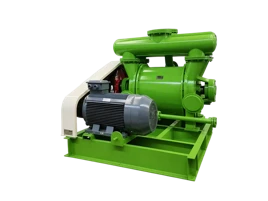
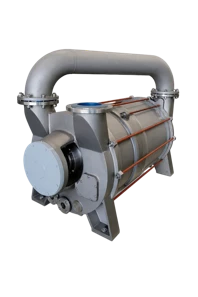
Hey there! If you're in the market for a high flow vacuum pump, you're in the right place. I'm a supplier of high flow vacuum pumps, and I've seen firsthand how crucial it is to pick the right one for your specific application. In this blog, I'll walk you through the key factors you need to consider when making this important decision.
Understanding Your Application Requirements
The first step in choosing the right high flow vacuum pump is to have a clear understanding of your application requirements. What kind of process are you using the pump for? Is it for industrial manufacturing, laboratory research, or something else? Different applications have different needs, so it's essential to know exactly what you're dealing with.
For example, if you're working in a chemical processing plant, you'll need a pump that can handle corrosive gases and liquids. On the other hand, if you're in a food packaging facility, you'll want a pump that meets strict hygiene standards. Understanding these requirements will help you narrow down your options and find a pump that's a perfect fit for your application.
Flow Rate and Vacuum Level
Two of the most important factors to consider when choosing a high flow vacuum pump are the flow rate and the vacuum level. The flow rate refers to the volume of gas or air that the pump can move in a given amount of time, usually measured in cubic feet per minute (CFM) or liters per second (L/s). The vacuum level, on the other hand, is a measure of how much pressure is reduced inside the system, typically expressed in units like torr or millibar.
You need to determine the required flow rate and vacuum level for your application. If you choose a pump with a flow rate that's too low, it won't be able to keep up with the demand, and your process may be inefficient. Conversely, if you go for a pump with a flow rate that's too high, you'll end up wasting energy and money. The same goes for the vacuum level – it needs to be just right for your specific needs.
Pump Type
There are several types of high flow vacuum pumps available on the market, each with its own advantages and disadvantages. Here are some of the most common types:
Liquid Ring Vacuum Pumps
Liquid ring vacuum pumps are a popular choice for many applications. They work by using a liquid, usually water, to create a seal and compress the gas. These pumps are known for their reliability, simplicity, and ability to handle wet and dirty gases. They're also relatively easy to maintain.
If you're interested in liquid ring vacuum pumps, you might want to check out our 2BV Liquid Ring Vacuum Pump, 2BE3 Large Liquid Ring Vacuum Pump, and 2BED 2 Stage Liquid Ring Vacuum Pump. These pumps are designed to provide high flow rates and excellent vacuum performance.
Rotary Vane Vacuum Pumps
Rotary vane vacuum pumps use rotating vanes to create a vacuum. They're known for their high vacuum levels and smooth operation. However, they're not as suitable for handling wet or corrosive gases as liquid ring pumps.
Roots Blowers
Roots blowers, also known as lobe pumps, are positive displacement pumps that use two or more lobes to move gas. They're often used in applications where high flow rates are required at relatively low vacuum levels.
Material of Construction
The material of construction of the vacuum pump is another important consideration. It needs to be compatible with the gases or liquids that the pump will be handling. For example, if you're dealing with corrosive substances, you'll need a pump made of materials like stainless steel or special alloys that can resist corrosion.
In addition to corrosion resistance, the material should also be strong enough to withstand the pressures and forces involved in the pumping process. A pump made of low-quality materials may break down quickly, leading to costly repairs and downtime.
Maintenance and Service
Maintenance and service are crucial aspects of owning a high flow vacuum pump. You want a pump that's easy to maintain and has readily available spare parts. Regular maintenance will help ensure that your pump operates efficiently and has a long lifespan.
When choosing a pump, ask the supplier about the maintenance requirements and the availability of service and support. A good supplier should be able to provide you with detailed maintenance instructions and offer technical support when needed.
Energy Efficiency
Energy efficiency is becoming increasingly important in today's world. A high flow vacuum pump that consumes a lot of energy can significantly increase your operating costs. Look for pumps that are designed to be energy-efficient, such as those with variable speed drives or advanced control systems.
These features allow the pump to adjust its speed and power consumption based on the actual demand, reducing energy waste and saving you money in the long run.
Cost
Of course, cost is always a factor when making a purchasing decision. However, it's important not to base your decision solely on the initial purchase price. Consider the total cost of ownership, which includes the purchase price, energy consumption, maintenance costs, and the cost of any spare parts.
A pump that's cheaper upfront may end up costing you more in the long run if it's not energy-efficient or requires frequent repairs. On the other hand, a more expensive pump that offers better performance and reliability may be a better investment in the long term.


Conclusion
Choosing the right high flow vacuum pump for your application is a complex decision that requires careful consideration of several factors. By understanding your application requirements, considering the flow rate and vacuum level, choosing the right pump type, paying attention to the material of construction, factoring in maintenance and service, looking for energy efficiency, and considering the total cost of ownership, you can make an informed decision.
If you have any questions or need further assistance in choosing the right high flow vacuum pump for your application, don't hesitate to reach out to us. We're here to help you find the perfect pump that meets your needs and budget. Contact us today to start the conversation and explore your options.
References
- "Vacuum Technology Handbook" by O'Hanlon, J. F.
- "Industrial Vacuum Pumps: Principles, Design, and Operation" by F. A. Holland.