As a supplier of single - stage vacuum pumps, I've seen firsthand the importance of ensuring the reliability of these machines. In this blog post, I'll share some tips and tricks on how to keep your single - stage vacuum pump running smoothly and efficiently.
Understanding the Basics of a Single - Stage Vacuum Pump
Before we dive into how to ensure reliability, let's quickly go over what a single - stage vacuum pump is. A single - stage vacuum pump is a type of pump that uses a single rotating impeller to create a vacuum. It's commonly used in various industries, including chemical processing, food packaging, and pharmaceuticals.
The basic working principle is simple: the impeller rotates, creating a low - pressure area that draws gas or vapor into the pump. The gas is then compressed and expelled from the pump. But to make sure this process works without a hitch, there are several factors you need to consider.
Selecting the Right Pump for Your Application
One of the first steps in ensuring the reliability of a single - stage vacuum pump is choosing the right one for your specific application. Different applications have different requirements in terms of vacuum level, flow rate, and the type of gas or vapor being pumped.
For example, if you're working in a chemical processing plant where you need to handle corrosive gases, you'll need a pump made of materials that can withstand corrosion. On the other hand, if you're in the food packaging industry, you'll need a pump that meets strict hygiene standards.
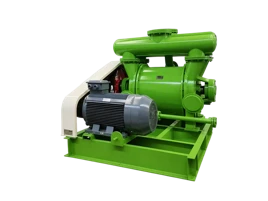
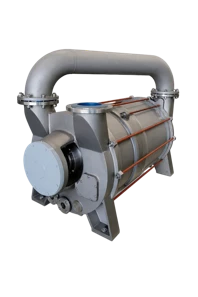
As a supplier, we offer a range of single - stage vacuum pumps to suit different needs. For instance, our 2BV Liquid Ring Vacuum Pump is a great choice for general industrial applications. It's reliable, easy to maintain, and can handle a wide range of gases and vapors.
Proper Installation
Once you've selected the right pump, proper installation is crucial. A poorly installed pump can lead to a host of problems, including vibration, noise, and reduced efficiency.
First, make sure the pump is installed on a stable and level surface. This will prevent excessive vibration, which can damage the pump components over time. Also, ensure that there is enough clearance around the pump for proper ventilation and maintenance.
When connecting the pump to the system, use the correct piping and fittings. Make sure all connections are tight and leak - free. A leak in the system can not only reduce the pump's performance but also pose a safety hazard.
Regular Maintenance
Regular maintenance is the key to keeping your single - stage vacuum pump reliable. Here are some maintenance tasks you should perform on a regular basis:
Oil Changes
Most single - stage vacuum pumps use oil to lubricate the moving parts and seal the pump chamber. Over time, the oil can become contaminated with dirt, debris, and moisture, which can reduce its effectiveness.
You should change the oil according to the manufacturer's recommendations. In general, it's a good idea to check the oil level regularly and change it every few months, depending on the operating conditions.


Filter Replacements
Many pumps are equipped with filters to remove contaminants from the gas or vapor being pumped. These filters can become clogged over time, reducing the pump's flow rate and efficiency.
Replace the filters at the recommended intervals. This will ensure that the pump is able to operate at its optimal performance and prevent damage to the internal components.
Inspection of Seals and Gaskets
Seals and gaskets are important components that prevent leaks in the pump. Over time, they can wear out or become damaged, leading to leaks.
Regularly inspect the seals and gaskets for signs of wear, such as cracks or tears. Replace them as soon as you notice any damage to prevent leaks and maintain the pump's performance.
Monitoring and Troubleshooting
In addition to regular maintenance, it's important to monitor the pump's performance on an ongoing basis. This will allow you to detect any potential problems early and take corrective action before they become major issues.
Monitoring Vacuum Level
One of the key performance indicators of a single - stage vacuum pump is the vacuum level. You should regularly measure the vacuum level using a vacuum gauge. A sudden drop in the vacuum level could indicate a leak in the system, a problem with the pump's internal components, or a clogged filter.
Checking for Abnormal Noise or Vibration
Abnormal noise or vibration can be a sign of a problem with the pump. If you notice any unusual sounds or excessive vibration, stop the pump immediately and inspect it for damage. It could be due to a loose component, a worn - out bearing, or a misaligned impeller.
Temperature Monitoring
Monitoring the pump's temperature is also important. An overheating pump can indicate a problem with the cooling system, excessive friction, or a blocked ventilation path. If the pump temperature exceeds the recommended range, take steps to cool it down and identify the root cause of the problem.
Training Your Staff
If you have employees who operate and maintain the single - stage vacuum pump, it's essential to provide them with proper training. They should understand how the pump works, how to perform basic maintenance tasks, and how to troubleshoot common problems.
Well - trained staff can not only ensure the reliable operation of the pump but also help prevent costly downtime and repairs. We offer training programs for our customers to ensure that their staff is well - equipped to handle our pumps.
Upgrading and Retrofit
As technology advances, it may be beneficial to upgrade or retrofit your single - stage vacuum pump. Newer models often offer improved performance, energy efficiency, and reliability.
For example, we have the 2BE3 Large Liquid Ring Vacuum Pump and 2BED 2 Stage Liquid Ring Vacuum Pump, which are designed with the latest technology and offer enhanced features. Upgrading to these models can improve your overall system performance and reduce operating costs.
Conclusion
Ensuring the reliability of a single - stage vacuum pump requires a combination of proper selection, installation, maintenance, monitoring, and staff training. By following these tips, you can keep your pump running smoothly and efficiently, minimizing downtime and maximizing productivity.
If you're in the market for a single - stage vacuum pump or need help with the maintenance and operation of your existing pump, don't hesitate to reach out. We're here to provide you with the best products and support to meet your needs. Let's start a conversation about how we can work together to ensure the reliability of your vacuum pumping system.
References
- "Vacuum Technology Handbook"
- Manufacturer's manuals for single - stage vacuum pumps