How to Ensure the Stability of a Water Suction Vacuum Pump During Operation
As a supplier of water suction vacuum pumps, I've witnessed firsthand the importance of ensuring the stability of these pumps during operation. A stable water suction vacuum pump not only enhances efficiency but also reduces maintenance costs and extends the lifespan of the equipment. In this blog post, I'll share some key strategies and best practices to help you achieve optimal stability for your water suction vacuum pump.


1. Proper Installation
The first step in ensuring the stability of a water suction vacuum pump is proper installation. This involves several critical aspects:
- Location Selection: Choose a suitable location for the pump that is well-ventilated, dry, and free from excessive vibrations. Avoid placing the pump near sources of heat or in areas prone to flooding. A stable foundation is essential to prevent the pump from shifting or vibrating during operation.
- Alignment: Ensure that the pump is correctly aligned with the motor and other components. Misalignment can cause excessive wear and tear on the pump's bearings and shafts, leading to premature failure. Use precision alignment tools to achieve accurate alignment.
- Piping Installation: Proper piping installation is crucial for the efficient operation of the pump. The suction and discharge pipes should be of the correct size and material to minimize pressure losses and prevent leaks. Ensure that the pipes are securely fastened and supported to avoid vibration and movement.
2. Regular Maintenance
Regular maintenance is essential to keep the water suction vacuum pump in good working condition. Here are some key maintenance tasks:
- Lubrication: Proper lubrication is crucial for the smooth operation of the pump's moving parts. Follow the manufacturer's recommendations for lubricant type and frequency of lubrication. Over-lubrication can cause overheating and damage to the pump, while under-lubrication can lead to increased friction and wear.
- Filter Replacement: The pump's filters play a vital role in preventing dirt, debris, and other contaminants from entering the pump. Regularly replace the filters according to the manufacturer's instructions to ensure optimal performance.
- Seal Inspection and Replacement: The seals in the pump prevent leaks and maintain the vacuum. Inspect the seals regularly for signs of wear or damage and replace them as needed. A leaking seal can cause a loss of vacuum and reduce the pump's efficiency.
- Vibration Analysis: Regular vibration analysis can help detect potential problems with the pump before they become serious. Use vibration monitoring equipment to measure the vibration levels of the pump and identify any abnormal vibrations. Address any issues promptly to prevent further damage.
3. Monitoring and Control
Monitoring and control systems can help ensure the stability of the water suction vacuum pump during operation. Here are some key monitoring and control measures:
- Pressure and Vacuum Monitoring: Install pressure and vacuum gauges to monitor the pressure and vacuum levels in the pump. This allows you to detect any abnormal pressure or vacuum fluctuations and take appropriate action.
- Temperature Monitoring: Monitor the temperature of the pump's motor and other components to ensure that they are operating within the recommended temperature range. Overheating can cause damage to the pump's components and reduce its lifespan.
- Flow Rate Monitoring: Monitor the flow rate of the water through the pump to ensure that it is operating at the designed capacity. A significant change in the flow rate can indicate a problem with the pump or the piping system.
- Automated Control Systems: Consider installing automated control systems to regulate the operation of the pump. These systems can adjust the pump's speed, pressure, and other parameters based on the process requirements, ensuring optimal performance and stability.
4. Quality Components and Materials
Using high-quality components and materials is essential for the stability and reliability of the water suction vacuum pump. Here are some key considerations:
- Pump Design and Construction: Choose a pump that is designed and constructed to meet the specific requirements of your application. Consider factors such as the pump's capacity, pressure rating, and operating temperature range.
- Component Selection: Select high-quality components such as bearings, shafts, seals, and valves. These components should be made from durable materials that can withstand the harsh operating conditions of the pump.
- Material Compatibility: Ensure that the materials used in the pump are compatible with the fluids and gases being pumped. Incompatible materials can cause corrosion, erosion, and other forms of damage to the pump.
5. Training and Operator Awareness
Proper training and operator awareness are crucial for the safe and efficient operation of the water suction vacuum pump. Here are some key training and awareness measures:
- Operator Training: Provide comprehensive training to the operators on the proper operation, maintenance, and troubleshooting of the pump. Ensure that the operators are familiar with the pump's controls, safety features, and emergency procedures.
- Safety Procedures: Establish and enforce strict safety procedures for the operation of the pump. This includes wearing appropriate personal protective equipment (PPE), following lockout/tagout procedures, and avoiding working on the pump while it is running.
- Operator Awareness: Encourage the operators to be aware of the pump's performance and to report any abnormal conditions or malfunctions immediately. Regularly communicate with the operators to ensure that they are up-to-date on the latest safety and maintenance procedures.
Our Product Recommendations
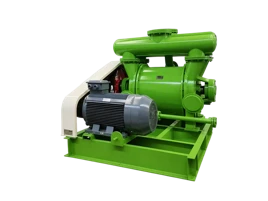
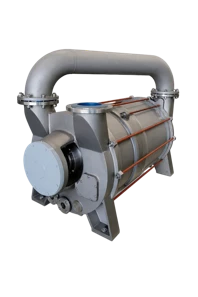
At our company, we offer a wide range of high-quality water suction vacuum pumps, including the 2BV Liquid Ring Vacuum Pump, 2BE1 Liquid Ring Vacuum Pump, and 2BE3 Large Liquid Ring Vacuum Pump. These pumps are designed and manufactured to meet the highest standards of quality and performance, ensuring stable and reliable operation in a variety of applications.
Conclusion
Ensuring the stability of a water suction vacuum pump during operation is essential for its efficient and reliable performance. By following the strategies and best practices outlined in this blog post, you can minimize downtime, reduce maintenance costs, and extend the lifespan of your pump. If you have any questions or need further assistance, please don't hesitate to contact us. We're here to help you find the right water suction vacuum pump for your application and ensure its optimal performance.
References
- "Pump Handbook" by Igor J. Karassik, Joseph P. Messina, Paul Cooper, and Charles C. Heald.
- "Centrifugal Pumps: Design and Application" by Heinz P. Bloch and Fred K. Geitner.
- Manufacturer's manuals and technical documentation for water suction vacuum pumps.