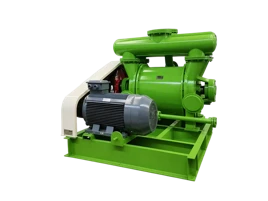
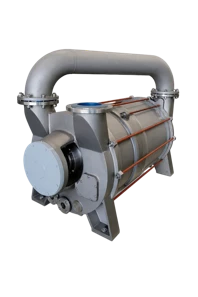
As a reputable large vacuum pump supplier, I understand that the process of installing a large vacuum pump can be quite daunting for many. In this blog post, I'll guide you through the step - by - step installation process, ensuring that you can set up your large vacuum pump safely and efficiently.
Pre - installation Preparations
Before embarking on the installation of a large vacuum pump, thorough preparations are essential. First and foremost, you need to select a suitable location. The area should be well - ventilated to prevent the accumulation of heat and exhaust gases. It should also be level and sturdy enough to support the weight of the pump. Uneven surfaces can cause vibrations during operation, which may damage the pump and reduce its lifespan.
Next, gather all the necessary tools and materials. You'll typically need wrenches, screwdrivers, gaskets, and appropriate piping. Make sure that all tools are in good condition and of the correct size for the installation tasks.
Inspect the vacuum pump upon arrival. Check for any visible damage during transit. Look for cracks in the casing, loose parts, or signs of corrosion. If you notice any issues, contact our support team immediately. We, as your large vacuum pump supplier, are committed to providing high - quality products, and we'll work with you to resolve any problems.
Foundation and Mounting
The foundation is the base on which the vacuum pump will rest. For large vacuum pumps, a concrete foundation is often recommended. The foundation should be sized according to the pump's specifications, with enough space around the pump for maintenance and access.
Mark the location of the pump on the foundation using a template or by measuring carefully. Drill holes in the foundation for the mounting bolts. Insert the bolts into the holes and secure them with nuts and washers. Make sure the bolts are tightened evenly to prevent the pump from tilting.
When mounting the pump, use vibration - isolating pads. These pads can reduce the transmission of vibrations from the pump to the foundation, which helps to minimize noise and prevent damage to the surrounding structures. Place the pads between the pump and the foundation according to the manufacturer's instructions.
Piping Installation
Proper piping installation is crucial for the performance of the vacuum pump. Select the appropriate piping material based on the type of vacuum pump and the application. For most large vacuum pumps, stainless steel or PVC pipes are commonly used.
The piping should be sized correctly to ensure proper flow and minimize pressure drops. Consult the pump's manual for the recommended pipe diameter. Connect the inlet and outlet pipes to the pump using gaskets to create a tight seal. Make sure the pipes are properly aligned to avoid stress on the pump's connections.
Install valves in the piping system. Valves can be used to control the flow of gas or liquid, isolate the pump for maintenance, and protect the pump from over - pressure. Ball valves or gate valves are commonly used in vacuum pump systems.
Electrical Connection
Large vacuum pumps typically require a significant amount of electrical power. Before making any electrical connections, ensure that you have a qualified electrician on - site. The electrical installation should comply with all local electrical codes and regulations.
Connect the pump to the power supply using the appropriate cables. Make sure the cables are rated for the voltage and current requirements of the pump. Install a circuit breaker or fuse to protect the pump from electrical overloads.
Proper grounding is also essential. Connect the pump's grounding terminal to a reliable ground source to prevent electrical shocks and protect the pump from electrical surges.
Testing and Commissioning
Once the installation is complete, it's time to test the vacuum pump. Before starting the pump, double - check all the connections, including piping, electrical, and mechanical. Make sure all valves are in the correct position.
Fill the pump with the appropriate working fluid if required. Some vacuum pumps, such as 2BV Liquid Ring Vacuum Pump, use a liquid ring for operation, and it's important to maintain the proper fluid level.
Start the pump and monitor its operation. Listen for any abnormal noises, such as rattling or grinding, which could indicate a problem. Check the pressure gauges to ensure that the pump is achieving the desired vacuum level. If the pump fails to reach the expected vacuum level, there may be a leak in the system or a problem with the pump itself.
During the testing phase, also check the temperature of the pump. Excessive heat can be a sign of a mechanical or electrical issue. If the temperature rises above the recommended level, stop the pump immediately and investigate the cause.
Maintenance Considerations
Regular maintenance is key to ensuring the long - term performance of your large vacuum pump. As your supplier, we recommend following a maintenance schedule. This may include tasks such as changing the oil (if applicable), replacing filters, and inspecting the seals.
For different types of vacuum pumps, the maintenance requirements may vary. For example, the 2BED 2 Stage Liquid Ring Vacuum Pump and 2BE1 Liquid Ring Vacuum Pump have specific maintenance procedures that should be followed.
Keep a record of all maintenance activities, including the date, tasks performed, and any parts replaced. This record can help you track the pump's performance over time and identify potential issues before they become major problems.
Conclusion
Installing a large vacuum pump is a complex process that requires careful planning and attention to detail. By following the steps outlined in this blog post, you can ensure a successful installation and optimal performance of your pump.
If you have any questions or need further assistance during the installation process, our team of experts is here to help. We are dedicated to providing the best support to our customers as a leading large vacuum pump supplier. Whether you're looking for a new vacuum pump or need advice on installation and maintenance, we're just a message away.


Contact us today to discuss your specific requirements and start the procurement process. We look forward to working with you to meet your vacuum pump needs.
References
- Vacuum Pump Installation Manuals
- Industry Standards for Vacuum Pump Installation and Operation