Installing a water suction vacuum pump in a vertical position can be a rewarding project, especially when you're aiming for efficient and effective fluid handling. As a water suction vacuum pump supplier, I'm here to guide you through the process. This blog will provide a comprehensive overview of the steps involved in vertically installing such a pump, ensuring it operates optimally for your specific needs.
Understanding the Basics of Water Suction Vacuum Pumps
Before diving into the installation process, it's essential to understand what a water suction vacuum pump is and how it works. A water suction vacuum pump is designed to create a vacuum by removing air or other gases from a sealed chamber. This vacuum then allows water or other fluids to be drawn into the pump. These pumps are commonly used in various industries, including manufacturing, wastewater treatment, and agriculture.


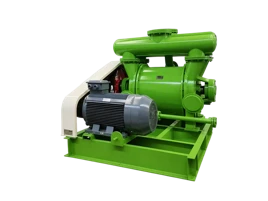
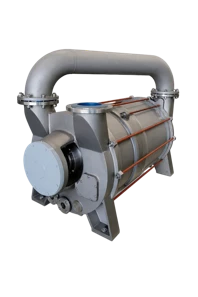
There are different types of water suction vacuum pumps available in the market. For instance, the 2BED 2 Stage Liquid Ring Vacuum Pump is a popular choice due to its high efficiency and reliability. The 2BV Liquid Ring Vacuum Pump is also well - known for its compact design and ease of maintenance. Another option is the 2BE1 Liquid Ring Vacuum Pump, which offers excellent performance in demanding applications.
Pre - installation Preparation
Site Selection
The first step in installing a water suction vacuum pump vertically is to choose an appropriate site. The location should be well - ventilated to prevent overheating of the pump. It should also be close to the source of the fluid to be pumped to minimize the length of the suction line. Additionally, the site should be on a stable and level surface to ensure the pump operates smoothly.
Gathering Tools and Materials
You'll need a set of tools and materials for the installation. These typically include wrenches, screwdrivers, pipe cutters, sealants, and gaskets. Make sure you have all the necessary parts for the pump, such as the motor, impeller, and housing. It's also a good idea to have a user manual for the specific pump model you're installing.
Safety Precautions
Safety is of utmost importance during the installation process. Wear appropriate personal protective equipment (PPE), such as safety glasses, gloves, and steel - toed boots. Ensure that the power supply to the pump is turned off before starting any work to avoid electrical hazards.
Installation Steps
Mounting the Pump
- Prepare the Mounting Surface: Clean the surface where the pump will be mounted to remove any dirt, debris, or rust. This will ensure a secure and stable installation.
- Position the Pump: Carefully lift the pump and place it in the vertical position on the mounting surface. Use a level to ensure that the pump is perfectly vertical. This is crucial for the proper functioning of the pump and to prevent premature wear and tear.
- Secure the Pump: Use bolts or brackets to secure the pump to the mounting surface. Make sure the bolts are tightened evenly to avoid any misalignment.
Connecting the Inlet and Outlet Pipes
- Measure and Cut the Pipes: Measure the length of the inlet and outlet pipes required to connect the pump to the fluid source and the discharge point. Use a pipe cutter to cut the pipes to the appropriate length.
- Install Gaskets and Sealants: Apply a thin layer of sealant to the gaskets and place them between the pump and the pipes. This will prevent any leakage of the fluid.
- Connect the Pipes: Use wrenches to tighten the pipe fittings securely. Make sure the connections are tight but not over - tightened, as this can damage the pipes or the pump.
Electrical Connections
- Check the Electrical Requirements: Refer to the pump's user manual to determine the electrical requirements, such as voltage, current, and phase.
- Connect the Motor: Connect the motor of the pump to the power supply. Make sure to follow the wiring diagram provided in the manual. Use appropriate electrical connectors and secure them properly to prevent any loose connections.
- Install a Control Panel: If required, install a control panel to monitor and control the operation of the pump. This can include features such as on/off switches, pressure gauges, and overload protection.
Testing the Pump
After the installation is complete, it's time to test the pump.
- Fill the Pump with Water: Before starting the pump, fill it with water to prime it. This will help the pump create a vacuum and start drawing the fluid.
- Turn on the Power: Slowly turn on the power supply to the pump. Listen for any unusual noises or vibrations, which could indicate a problem with the installation.
- Check the Pressure and Flow Rate: Use a pressure gauge and a flow meter to check the pressure and flow rate of the fluid. Compare these values with the specifications provided in the pump's user manual. If the values are not within the acceptable range, make the necessary adjustments.
Maintenance and Troubleshooting
Regular maintenance is essential to keep the water suction vacuum pump in good working condition. This includes checking the oil level (if applicable), cleaning the filters, and inspecting the seals and gaskets for any signs of wear.
If you encounter any problems with the pump, such as low flow rate, high noise, or leakage, refer to the troubleshooting section of the user manual. In some cases, you may need to contact a professional technician for further assistance.
Conclusion
Installing a water suction vacuum pump in a vertical position requires careful planning, preparation, and execution. By following the steps outlined in this blog, you can ensure a successful installation and optimal performance of the pump. As a water suction vacuum pump supplier, we offer a wide range of high - quality pumps to meet your specific needs. If you're interested in purchasing a pump or have any questions about the installation process, we encourage you to contact us for a detailed discussion. Our team of experts is ready to assist you in finding the right solution for your fluid handling requirements.
References
- Manufacturer's user manuals for 2BED 2 Stage Liquid Ring Vacuum Pump, 2BV Liquid Ring Vacuum Pump, and 2BE1 Liquid Ring Vacuum Pump.
- Industry standards and guidelines for water suction vacuum pump installation.