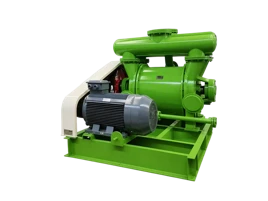
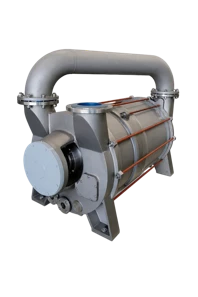
As a supplier of heavy-duty vacuum pumps, I've encountered numerous customers concerned about the noise levels of these powerful machines. Heavy-duty vacuum pumps are essential in various industrial applications, but their noise can be a significant drawback, affecting the working environment and potentially causing health issues for workers. In this blog post, I'll share some effective strategies to reduce the noise of heavy-duty vacuum pumps based on my experience and industry knowledge.
Understanding the Sources of Noise in Heavy-Duty Vacuum Pumps
Before we delve into the solutions, it's crucial to understand where the noise in heavy-duty vacuum pumps comes from. There are several primary sources:
- Mechanical Vibrations: The moving parts within the pump, such as the motor, impeller, and bearings, generate vibrations during operation. These vibrations can transmit through the pump structure and into the surrounding environment, producing noise.
- Fluid Flow: The flow of gas or liquid through the pump can create turbulence and pressure fluctuations, which result in noise. This is particularly evident in pumps with high flow rates or complex flow paths.
- Air Intake and Exhaust: The intake and exhaust of air or gas can also generate noise, especially if the flow is restricted or if there are sharp bends in the piping.
Strategies to Reduce Noise
1. Isolation and Mounting
One of the most effective ways to reduce noise from mechanical vibrations is to isolate the pump from its surroundings. This can be achieved through proper mounting techniques:
- Vibration Isolators: Use high-quality vibration isolators, such as rubber mounts or springs, to separate the pump from its base or support structure. These isolators absorb and dampen the vibrations, preventing them from being transmitted to the floor or other surfaces.
- Anti-Vibration Pads: Place anti-vibration pads under the pump feet to further reduce the transfer of vibrations. These pads are typically made of materials like neoprene or rubber and can significantly reduce noise levels.
- Isolated Enclosures: Consider installing the pump in an isolated enclosure. The enclosure should be made of sound-absorbing materials, such as acoustic panels, to reduce the noise radiating from the pump. Make sure the enclosure has proper ventilation to prevent overheating.
2. Maintenance and Lubrication
Regular maintenance and proper lubrication are essential for keeping the pump running smoothly and quietly:
- Bearing Inspection and Replacement: Worn or damaged bearings can cause excessive noise and vibration. Regularly inspect the bearings and replace them as needed. Use high-quality bearings that are designed for the specific application.
- Lubrication: Ensure that all moving parts are properly lubricated. This reduces friction and wear, which in turn reduces noise. Follow the manufacturer's recommendations for the type and frequency of lubrication.
- Alignment: Misaligned components can cause additional stress and vibration, leading to increased noise. Regularly check and adjust the alignment of the motor, impeller, and other components to ensure smooth operation.
3. Piping Design and Installation
The design and installation of the piping system can have a significant impact on the noise levels of the vacuum pump:

- Proper Sizing: Use the correct pipe size to ensure smooth and efficient fluid flow. Undersized pipes can cause high velocities and turbulence, resulting in increased noise.
- Smooth Bends and Elbows: Minimize the use of sharp bends and elbows in the piping system. Instead, use smooth, gradual bends to reduce turbulence and pressure fluctuations.
- Flexible Connectors: Install flexible connectors in the piping system to absorb vibrations and prevent them from being transmitted through the pipes. These connectors can also compensate for thermal expansion and contraction.
4. Air Intake and Exhaust Silencers
Silencers can be installed at the air intake and exhaust ports of the vacuum pump to reduce noise:
- Intake Silencers: An intake silencer can reduce the noise generated by the air entering the pump. It works by absorbing and dissipating the sound energy as the air passes through the silencer.
- Exhaust Silencers: Similar to intake silencers, exhaust silencers reduce the noise produced by the air or gas leaving the pump. They are designed to minimize backpressure while effectively reducing noise levels.
Specific Solutions for Different Types of Heavy-Duty Vacuum Pumps
2BE3 Large Liquid Ring Vacuum Pump
The 2BE3 Large Liquid Ring Vacuum Pump is a popular choice for heavy-duty applications. To reduce its noise, the following additional measures can be taken:
- Optimize the Liquid Seal: The liquid seal in a liquid ring vacuum pump plays a crucial role in its operation. Ensure that the liquid level and quality are maintained within the recommended range. A proper liquid seal can reduce noise and improve the pump's efficiency.
- Inspect the Impeller: The impeller in the 2BE3 pump should be regularly inspected for wear and damage. A worn impeller can cause uneven fluid flow and increased noise. Replace the impeller if necessary.
2BE1 Liquid Ring Vacuum Pump
The 2BE1 Liquid Ring Vacuum Pump is known for its reliability and performance. To minimize its noise:

- Check the Shaft Alignment: Misaligned shafts can cause excessive vibration and noise in the 2BE1 pump. Regularly check and adjust the shaft alignment to ensure smooth operation.
- Monitor the Operating Conditions: Keep a close eye on the pump's operating conditions, such as temperature and pressure. Deviations from the normal operating range can lead to increased noise and potential damage to the pump.
2BV Liquid Ring Vacuum Pump
The 2BV Liquid Ring Vacuum Pump is a compact and efficient option. To reduce its noise:
- Clean the Pump Regularly: Dirt and debris can accumulate inside the pump over time, causing increased friction and noise. Clean the pump regularly to maintain its performance and reduce noise levels.
- Adjust the Clearances: Proper clearances between the impeller and other components are essential for the smooth operation of the 2BV pump. Check and adjust the clearances as needed to minimize noise.
Conclusion
Reducing the noise of heavy-duty vacuum pumps is crucial for creating a comfortable and safe working environment. By implementing the strategies outlined in this blog post, such as isolation and mounting, maintenance and lubrication, proper piping design, and the use of silencers, you can significantly reduce the noise levels of your vacuum pumps.
If you're in the market for a heavy-duty vacuum pump or need assistance with noise reduction for your existing pumps, we're here to help. Our team of experts can provide you with the right solutions and support to meet your specific needs. Contact us today to start a discussion about your requirements and explore the possibilities of improving your vacuum pump system.
References
- ASHRAE Handbook - HVAC Systems and Equipment. American Society of Heating, Refrigerating and Air-Conditioning Engineers.
- Pump Handbook, 4th Edition. Karassik, I. J., Messina, J. P., Cooper, P. T., & Heald, C. C. (Eds.). McGraw-Hill.
- Vacuum Technology: A Practical Guide for Scientists and Engineers. O'Hanlon, J. F. Wiley-Interscience.