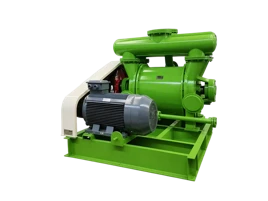
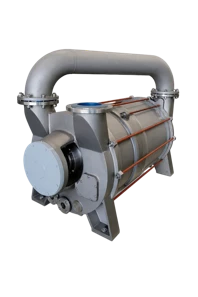
As a supplier of belt driven vacuum pumps, I understand the significance of reducing power consumption in these essential industrial devices. Not only does it lead to cost savings for our customers, but it also contributes to a more sustainable and environmentally friendly operation. In this blog post, I will share some effective strategies on how to reduce the power consumption of a belt driven vacuum pump.
1. Proper Pump Selection
The first step in reducing power consumption starts with choosing the right vacuum pump for your specific application. A pump that is oversized for the task will consume more power than necessary, while an undersized pump may not be able to achieve the required vacuum level, leading to inefficient operation.
When selecting a belt driven vacuum pump, consider factors such as the required vacuum level, pumping speed, and the nature of the gas or vapor being pumped. For example, if you are dealing with a process that requires a relatively low vacuum level, a 2BV Liquid Ring Vacuum Pump might be a suitable choice. These pumps are known for their energy - efficient operation in low to medium vacuum applications. On the other hand, for higher vacuum requirements, the 2BE1 Liquid Ring Vacuum Pump or the 2BED 2 Stage Liquid Ring Vacuum Pump could be more appropriate. The 2BED 2 Stage Liquid Ring Vacuum Pump, with its two - stage design, can achieve deeper vacuums with relatively lower power consumption compared to single - stage pumps in some cases.
2. Regular Maintenance
Regular maintenance is crucial for the efficient operation of a belt driven vacuum pump. A well - maintained pump will consume less power and have a longer service life.
- Belt Tension: One of the key maintenance tasks is to ensure proper belt tension. A loose belt can slip, causing the pump to work harder and consume more power. On the other hand, an overly tight belt can put excessive stress on the pump's bearings and motor, also leading to increased power consumption and potential damage. Check the belt tension regularly and adjust it according to the manufacturer's recommendations.
- Lubrication: Adequate lubrication of the pump's moving parts is essential. Insufficient lubrication can increase friction, which in turn requires more power to drive the pump. Follow the recommended lubrication schedule and use the appropriate lubricants for your pump.
- Filter and Intake Cleaning: Clean the intake filters regularly to prevent clogging. A clogged filter restricts the flow of gas into the pump, forcing the pump to work harder and consume more power. Ensure that the intake area is also free from debris and obstructions.
3. Optimize Operating Conditions
The operating conditions of the vacuum pump can have a significant impact on its power consumption.


- Temperature Control: Maintaining the right operating temperature is important. High temperatures can increase the viscosity of the lubricants and reduce the efficiency of the pump. Install proper cooling systems if necessary to keep the pump within the recommended temperature range. For example, in hot environments, using a water - cooled system can help dissipate heat and improve the pump's efficiency.
- Pressure and Flow Rate: Operate the pump at the optimal pressure and flow rate for your process. Avoid over - pumping or under - pumping. Over - pumping means that the pump is working harder than necessary to achieve a vacuum level that is beyond what is required for the process. Under - pumping, on the other hand, may cause the process to be inefficient and may require the pump to run for longer periods, increasing overall power consumption. You can use pressure sensors and flow meters to monitor and adjust the operating conditions.
4. System Leakage Detection and Repair
Leakage in the vacuum system can cause the pump to work continuously to maintain the desired vacuum level, resulting in increased power consumption.
- Regular Inspections: Conduct regular inspections of the entire vacuum system, including pipes, fittings, valves, and seals. Look for signs of leakage such as hissing sounds, pressure drops, or abnormal power consumption.
- Seal Replacement: Replace worn - out seals promptly. High - quality seals can prevent air from leaking into the system, reducing the workload on the pump and saving power.
5. Variable Frequency Drive (VFD) Installation
Installing a Variable Frequency Drive (VFD) on the belt driven vacuum pump can be an effective way to reduce power consumption.
- Speed Control: A VFD allows you to adjust the speed of the pump motor according to the actual demand. When the process requires a lower vacuum level or pumping speed, the VFD can reduce the motor speed, which in turn reduces power consumption. This is especially useful in applications where the vacuum requirements vary over time.
- Soft Start: VFDs also provide a soft - start function. Instead of starting the pump motor at full speed immediately, which can draw a large amount of power, a soft - start gradually ramps up the motor speed, reducing the inrush current and overall power consumption during startup.
6. Energy - Efficient Motor Selection
The motor is a major component of the belt driven vacuum pump, and choosing an energy - efficient motor can make a significant difference in power consumption.
- High - Efficiency Motors: Look for motors with high efficiency ratings. These motors are designed to convert electrical energy into mechanical energy more effectively, reducing the amount of wasted energy in the form of heat.
- Proper Sizing: Just like the pump itself, the motor should be properly sized for the application. An oversized motor will consume more power than necessary, while an undersized motor may not be able to drive the pump efficiently.
7. Process Integration and Automation
Integrating the vacuum pumping process with other parts of your industrial process and automating the operation can lead to power savings.
- Sequencing: Coordinate the operation of the vacuum pump with other equipment in the process. For example, if the vacuum is only required during certain stages of a manufacturing process, the pump can be turned on and off automatically at the appropriate times. This prevents the pump from running continuously when it is not needed.
- Automated Control Systems: Use automated control systems that can adjust the pump's operation based on real - time process data. These systems can optimize the pump's speed, pressure, and other parameters to ensure the most energy - efficient operation.
In conclusion, reducing the power consumption of a belt driven vacuum pump is a multi - faceted approach that involves proper pump selection, regular maintenance, optimization of operating conditions, leakage detection, the use of energy - saving technologies such as VFDs and energy - efficient motors, and process integration and automation. By implementing these strategies, our customers can not only save on energy costs but also contribute to a more sustainable industrial operation.
If you are interested in learning more about our belt driven vacuum pumps or need advice on reducing power consumption in your specific application, we are here to help. Contact us for a detailed consultation and let's work together to find the most energy - efficient solution for your needs.
References
- Vacuum Pump Handbook, various editions.
- Manufacturer's manuals for belt driven vacuum pumps.
- Industry research papers on energy - efficient vacuum pump operation.