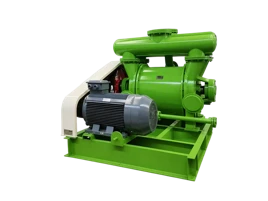
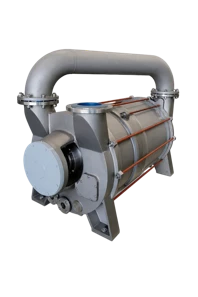
Hey there! As a supplier of ATEX screw vacuum pumps, I often get asked about the proper way to store these pumps when they're not in use. It's a crucial topic because the right storage can significantly extend the lifespan of your pump and ensure it performs at its best when you need it again. So, let's dive into the details of how to store an ATEX screw vacuum pump effectively.
Why Proper Storage Matters
First off, why is proper storage so important? Well, ATEX screw vacuum pumps are precision pieces of equipment. When they're not stored correctly, they can be exposed to environmental factors that can cause corrosion, damage to internal components, and even affect their overall performance. For instance, moisture can lead to rust on metal parts, and dust can clog up the delicate mechanisms inside the pump. By following the right storage procedures, you can avoid these issues and save yourself from costly repairs or replacements down the line.

Pre - Storage Preparation
Before you even think about storing your ATEX screw vacuum pump, there are a few essential steps you need to take.

1. Cleaning
The first thing you should do is give your pump a thorough cleaning. Remove any dirt, debris, or residue that may have accumulated on the exterior and interior of the pump. Use a soft brush or a cloth to gently clean the surfaces. Make sure to pay special attention to the intake and exhaust ports, as these areas are prone to collecting dust and contaminants.
2. Lubrication
Check the lubrication levels in the pump. If the lubricant is old or contaminated, it's a good idea to change it. Proper lubrication helps prevent wear and tear on the moving parts during storage. Refer to the manufacturer's guidelines for the correct type of lubricant to use and the proper way to refill it.
3. Inspection
Conduct a detailed inspection of the pump. Look for any signs of damage, such as cracks, leaks, or loose fittings. If you find any issues, it's best to address them before storing the pump. This way, you can avoid further damage during storage and ensure that the pump is in good working condition when you take it out of storage.
Choosing the Right Storage Location
The location where you store your ATEX screw vacuum pump plays a vital role in its preservation.
1. Temperature and Humidity
Find a storage area with a stable temperature and low humidity. Extreme temperatures can cause the materials in the pump to expand or contract, which can lead to damage. High humidity can promote corrosion. Aim for a temperature between 10°C and 30°C (50°F and 86°F) and a relative humidity below 60%.
2. Ventilation
The storage area should be well - ventilated. Good ventilation helps prevent the buildup of moisture and harmful gases. Avoid storing the pump in a closed, stuffy space where air circulation is poor.
3. Protection from Dust and Debris
Make sure the storage area is clean and free from dust and debris. You can cover the pump with a protective cover to prevent dust from settling on it. If possible, store the pump in a dedicated storage cabinet or a room where it won't be exposed to construction dust or other contaminants.
Storage Methods
Once you've prepared the pump and found the right storage location, it's time to decide on the storage method.

1. Indoor Storage
Indoor storage is generally the best option for ATEX screw vacuum pumps. It provides better protection from the elements and allows you to control the temperature and humidity more easily. If you have a storage room or a warehouse, place the pump on a stable surface, such as a pallet or a stand. This helps prevent damage from moisture on the floor and makes it easier to move the pump when needed.
2. Outdoor Storage (if necessary)
In some cases, you may not have the option of indoor storage. If you need to store the pump outdoors, take extra precautions. Use a waterproof and dust - proof cover to protect the pump from rain, snow, and dust. Make sure the cover is securely fastened to prevent it from being blown off by the wind. Additionally, elevate the pump off the ground to avoid contact with standing water.
Additional Considerations
1. Battery (if applicable)
If your ATEX screw vacuum pump has a battery, remove it before storage. Store the battery separately in a cool, dry place and charge it periodically to maintain its capacity.

2. Documentation
Keep all the relevant documentation, such as the user manual, maintenance records, and warranty information, in a safe place. This documentation can be very useful when you need to operate or service the pump in the future.
3. Regular Checks
Even during storage, it's a good idea to check on the pump periodically. Inspect it for any signs of damage or deterioration, and make sure the storage conditions are still suitable. If you notice any issues, take appropriate action immediately.
Other Vacuum Pump Options
At our company, we also offer other high - quality vacuum pumps, such as the [ZJQ Gas circulation - cooled Roots Pump](/dry - vacuum - pump/zjq - gas - ciculation - cooled - roots - pump.html), the [NZJP Multistage Roots Vacuum Pump](/dry - vacuum - pump/nzjp - multistage - roots - vacuum - pump.html), and the [NZJQ Multistage Gas circulation - cooled Roots Pump](/dry - vacuum - pump/nzjq - multistage - gas - ciculation - cooled - roots.html). These pumps are designed to meet different industrial needs and offer excellent performance and reliability.
Conclusion
Storing an ATEX screw vacuum pump properly is essential for maintaining its performance and longevity. By following the steps outlined above, you can ensure that your pump stays in good condition during periods of non - use. If you have any questions about storing your ATEX screw vacuum pump or are interested in our other vacuum pump options, don't hesitate to reach out to us. We're here to help you make the best decisions for your industrial needs. Whether you're looking to purchase a new pump or need advice on storage and maintenance, we're just a message away. Let's start a conversation and see how we can work together to meet your vacuum pumping requirements.
References
- Manufacturer's user manual for ATEX screw vacuum pumps
- Industry standards and best practices for vacuum pump storage