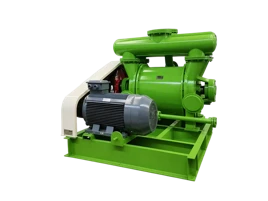
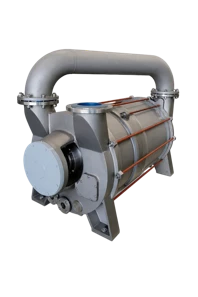
Hey there! As a supplier of chemical vacuum pumps, I've seen my fair share of issues with these machines. Troubleshooting a chemical vacuum pump can be a real headache, but with the right know - how, you can get it up and running smoothly again. In this blog, I'll walk you through some common problems and how to fix them.
1. Low Vacuum Level
One of the most common issues you might encounter is a low vacuum level. There could be several reasons for this.
Leaks
Leaks are often the culprit when it comes to a low vacuum level. Check all the connections, hoses, and seals on your pump. Even a small leak can cause a significant drop in vacuum performance. Look for visible signs of wear or damage, such as cracks in the hoses or loose fittings. If you find a leak, you can try tightening the fittings or replacing the damaged parts. For example, if a hose has a small crack, you might be able to patch it with a suitable sealant or just replace the hose altogether.
Contaminated Working Fluid
The working fluid in your chemical vacuum pump plays a crucial role in creating the vacuum. If the fluid is contaminated with dirt, debris, or chemicals, it can affect the pump's performance. Over time, the fluid can break down and lose its effectiveness. To fix this, you need to drain the old fluid and replace it with fresh, clean fluid. Make sure to use the type of fluid recommended by the pump manufacturer. Some pumps use special chemical - resistant fluids, so don't just use any old fluid you have lying around.
Worn Vanes
In some types of chemical vacuum pumps, like rotary vane pumps, the vanes can wear out over time. When the vanes are worn, they can't create a proper seal, which leads to a loss of vacuum. You'll need to open up the pump and inspect the vanes. If they're worn, you'll have to replace them. This can be a bit of a tricky job, so if you're not comfortable doing it yourself, it's best to call in a professional.
2. Overheating
Overheating is another problem that can cause your chemical vacuum pump to malfunction.
Insufficient Cooling
Most chemical vacuum pumps have a cooling system to prevent overheating. If the cooling system isn't working properly, the pump can get too hot. Check the cooling fins, if your pump has them, to make sure they're not clogged with dust or debris. You can use a soft brush or compressed air to clean them. Also, make sure that the coolant (if your pump uses one) is at the correct level and flowing properly. If the coolant is low, top it up according to the manufacturer's instructions.
High Load
If your pump is constantly running at a high load, it can generate more heat than it can dissipate. This could be due to a blockage in the system that the pump is connected to or an incorrect setting. Check the system for any blockages, such as clogged filters or pipes. You might also want to review the operating parameters of the pump to make sure it's not being overworked.
3. Excessive Noise
A noisy chemical vacuum pump can be a sign of trouble.
Loose Parts
Vibrations from loose parts can cause the pump to make a lot of noise. Check all the bolts, nuts, and other fasteners on the pump. Tighten any that are loose. Sometimes, a simple tightening can solve the noise problem.


Worn Bearings
Bearings in the pump can wear out over time, causing a grinding or squealing noise. If you suspect that the bearings are the problem, you'll need to replace them. This is a more involved repair, so it's usually best to have a professional handle it.
4. Poor Pumping Speed
If your pump is taking too long to reach the desired vacuum level or can't maintain a good pumping speed, there are a few things to check.
Clogged Inlet or Outlet
A clogged inlet or outlet can restrict the flow of gas through the pump, reducing its pumping speed. Inspect the inlet and outlet ports for any blockages. You might find debris, such as dust or small particles, that are causing the problem. Clean the ports thoroughly to restore proper flow.
Incorrect Pump Size
Sometimes, the pump you're using might not be the right size for your application. If the pump is too small, it won't be able to handle the volume of gas that needs to be pumped. On the other hand, if it's too large, it can be inefficient. Consider the requirements of your system and make sure you have the appropriate pump. We offer a range of pumps, such as the 2BED 2 Stage Liquid Ring Vacuum Pump, 2BE1 Liquid Ring Vacuum Pump, and 2BE3 Large Liquid Ring Vacuum Pump, which can be suitable for different applications.
5. Oil or Fluid Leakage
Oil or fluid leakage can be a mess and also a sign of a problem with your pump.
Damaged Seals
Seals are used to keep the fluid inside the pump. If they're damaged, fluid can leak out. Check all the seals in the pump for signs of wear or damage. Replace any seals that are faulty. This is usually a relatively straightforward repair, but you need to make sure you use the correct type of seal.
Overfilled Fluid
If you've overfilled the working fluid in the pump, it can cause leakage. Check the fluid level and drain any excess fluid until it reaches the correct level.
Troubleshooting a chemical vacuum pump can seem daunting at first, but by following these steps, you can often identify and fix the problem. If you're still having issues after trying these troubleshooting steps, don't hesitate to reach out to us. We're here to help you keep your chemical vacuum pump running smoothly. Whether you need advice on repairs, replacement parts, or are looking to purchase a new pump for your application, we've got you covered. Contact us to start a conversation about your needs and let's find the best solution together.
References
- Manufacturer's manuals for chemical vacuum pumps.
- Industry - specific literature on vacuum pump maintenance and troubleshooting.