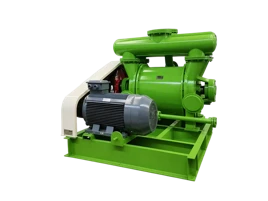
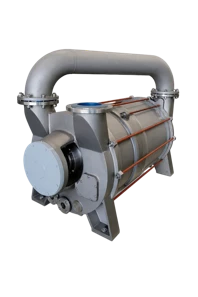
As a supplier of sewage vacuum pumps, I understand the importance of proper maintenance to ensure the efficient and reliable operation of these crucial pieces of equipment. Sewage vacuum pumps play a vital role in various applications, including wastewater management, industrial processes, and municipal sewage systems. In this blog post, I will discuss the common maintenance tasks for a sewage vacuum pump to help you keep your pump in optimal condition and extend its service life.
Regular Inspection
Regular inspection is the foundation of any maintenance program for a sewage vacuum pump. By conducting routine inspections, you can identify potential issues early on and take corrective action before they escalate into major problems. Here are some key areas to focus on during inspections:


- Visual Inspection: Start by visually inspecting the pump and its components for any signs of damage, wear, or leakage. Check the pump casing, impeller, seals, gaskets, and piping for cracks, corrosion, or other visible defects. Look for any loose or missing bolts, nuts, or other fasteners that could affect the pump's stability and performance.
- Lubrication: Proper lubrication is essential for the smooth operation of the pump's moving parts. Check the lubricant level in the pump's bearings and gearbox regularly, and top up or replace the lubricant as needed. Use the recommended lubricant specified by the pump manufacturer to ensure compatibility and optimal performance.
- Alignment: Misalignment of the pump and motor can cause excessive vibration, noise, and premature wear of the pump's components. Check the alignment of the pump and motor using a laser alignment tool or other appropriate method, and make any necessary adjustments to ensure proper alignment.
- Electrical Connections: Inspect the electrical connections of the pump, including the wiring, terminals, and switches, for any signs of damage, loose connections, or overheating. Tighten any loose connections and replace any damaged wiring or components as needed.
Cleaning and Flushing
Sewage vacuum pumps are exposed to a variety of contaminants, including solids, debris, and chemicals, which can accumulate inside the pump and its components over time. Regular cleaning and flushing are necessary to remove these contaminants and prevent clogging, corrosion, and other problems. Here are some cleaning and flushing tasks to perform:
- Suction Strainer: The suction strainer is designed to prevent large solids and debris from entering the pump. Clean the suction strainer regularly to remove any accumulated solids and debris. Use a brush or other appropriate tool to clean the strainer, and rinse it thoroughly with clean water before reinstalling it.
- Pump Casing and Impeller: Over time, solids and debris can accumulate inside the pump casing and impeller, reducing the pump's efficiency and performance. Use a high-pressure water jet or other appropriate cleaning method to flush out the pump casing and impeller. Make sure to remove all the accumulated solids and debris, and rinse the pump thoroughly with clean water before reassembling it.
- Piping and Valves: The piping and valves connected to the pump can also accumulate solids and debris, causing blockages and reduced flow. Flush the piping and valves regularly to remove any accumulated contaminants. Use a cleaning solution or other appropriate method to clean the piping and valves, and rinse them thoroughly with clean water before reconnecting them to the pump.
Seal and Gasket Replacement
The seals and gaskets in a sewage vacuum pump are critical components that prevent leakage of the pumped fluid and ensure the pump's efficiency and performance. Over time, the seals and gaskets can wear out or become damaged, leading to leakage and other problems. Regular replacement of the seals and gaskets is necessary to maintain the pump's integrity and prevent costly repairs. Here are some seal and gasket replacement tasks to perform:
- Mechanical Seals: Mechanical seals are used to prevent leakage between the pump shaft and the pump casing. Inspect the mechanical seals regularly for any signs of wear, damage, or leakage. Replace the mechanical seals as recommended by the pump manufacturer or when they show signs of excessive wear or damage.
- O-Rings and Gaskets: O-rings and gaskets are used to seal the joints and connections in the pump and its components. Inspect the O-rings and gaskets regularly for any signs of wear, damage, or leakage. Replace the O-rings and gaskets as recommended by the pump manufacturer or when they show signs of excessive wear or damage.
Performance Testing
Regular performance testing is necessary to ensure that the sewage vacuum pump is operating at its optimal efficiency and performance. Performance testing can help you identify any issues or problems with the pump's operation, such as reduced flow, pressure, or efficiency, and take corrective action to address them. Here are some performance testing tasks to perform:
- Flow and Pressure Testing: Use a flow meter and pressure gauge to measure the flow rate and pressure of the pumped fluid at the pump's inlet and outlet. Compare the measured values with the pump's rated flow and pressure specifications to determine if the pump is operating within the acceptable range. If the measured values are significantly lower than the rated specifications, it may indicate a problem with the pump, such as a clogged suction strainer, damaged impeller, or worn-out seals.
- Power Consumption Testing: Use a power meter to measure the power consumption of the pump. Compare the measured power consumption with the pump's rated power consumption to determine if the pump is operating efficiently. If the measured power consumption is significantly higher than the rated power consumption, it may indicate a problem with the pump, such as a misaligned motor, worn-out bearings, or a damaged impeller.
Troubleshooting and Repairs
Despite regular maintenance, sewage vacuum pumps may still experience problems from time to time. Troubleshooting and repairs are necessary to identify and fix these problems quickly and minimize downtime. Here are some common problems and solutions for sewage vacuum pumps:
- Low Flow or Pressure: Low flow or pressure can be caused by a variety of factors, including a clogged suction strainer, damaged impeller, worn-out seals, or a misaligned pump and motor. Check the suction strainer for blockages, inspect the impeller for damage, replace the worn-out seals, and check the alignment of the pump and motor.
- Leakage: Leakage can be caused by a variety of factors, including damaged seals, gaskets, or piping. Inspect the seals, gaskets, and piping for damage, and replace any damaged components as needed. Tighten any loose connections and apply a sealant or gasket maker to prevent further leakage.
- Excessive Vibration or Noise: Excessive vibration or noise can be caused by a variety of factors, including a misaligned pump and motor, worn-out bearings, or a damaged impeller. Check the alignment of the pump and motor, replace the worn-out bearings, and inspect the impeller for damage.
- Overheating: Overheating can be caused by a variety of factors, including insufficient lubrication, a blocked cooling system, or a damaged motor. Check the lubricant level in the pump's bearings and gearbox, inspect the cooling system for blockages, and replace any damaged components as needed.
Conclusion
Proper maintenance is essential for the efficient and reliable operation of sewage vacuum pumps. By performing regular inspections, cleaning and flushing, seal and gasket replacement, performance testing, troubleshooting, and repairs, you can keep your pump in optimal condition and extend its service life. As a sewage vacuum pump supplier, we offer a wide range of high-quality 2BV Liquid Ring Vacuum Pump, 2BED 2 Stage Liquid Ring Vacuum Pump, and 2BE1 Liquid Ring Vacuum Pump to meet your specific needs and requirements. If you have any questions or need further information about sewage vacuum pump maintenance or our products, please feel free to contact us for more details. We look forward to discussing your procurement needs and providing you with the best solutions for your sewage vacuum pump requirements.
References
- Manufacturer's manual for the sewage vacuum pump
- Industry standards and guidelines for sewage vacuum pump maintenance
- Technical articles and publications on sewage vacuum pump maintenance and troubleshooting