Hey there! As a supplier of high volume vacuum pumps, I often get asked about the pressure pulsation levels of these pumps. So, I thought I'd take a moment to share some insights on this topic.
First off, let's talk about what pressure pulsation is. Pressure pulsation refers to the fluctuations in pressure that occur within a vacuum pump system. These fluctuations can be caused by a variety of factors, such as the design of the pump, the operating conditions, and the type of fluid being pumped.
Now, why are pressure pulsation levels important? Well, excessive pressure pulsation can lead to a number of problems, including reduced pump efficiency, increased wear and tear on the pump components, and even damage to the system. That's why it's crucial to understand and manage the pressure pulsation levels of your high volume vacuum pump.
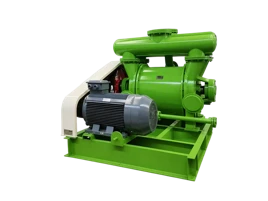
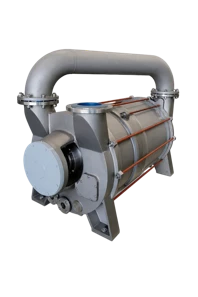
One of the key factors that affects pressure pulsation levels is the pump design. Different types of high volume vacuum pumps have different design features that can impact pressure pulsation. For example, 2BE3 Large Liquid Ring Vacuum Pump is designed in a way that helps to minimize pressure pulsation. Its unique liquid ring mechanism provides a more stable flow of fluid, which in turn reduces the likelihood of significant pressure fluctuations.


Similarly, the 2BE1 Liquid Ring Vacuum Pump also offers relatively low pressure pulsation levels. This pump is known for its reliability and efficient operation, and its design plays a big role in keeping the pressure pulsations in check.
Another pump that's worth mentioning is the 2BED 2 Stage Liquid Ring Vacuum Pump. The two - stage design of this pump allows for better control of the pressure and flow, resulting in lower pressure pulsation levels compared to some single - stage pumps.
The operating conditions also have a significant impact on pressure pulsation. For instance, the speed at which the pump is running can affect the pressure pulsation. If the pump is running too fast, it may cause more turbulence in the fluid, leading to higher pressure fluctuations. On the other hand, running the pump at an appropriate speed can help maintain a more stable pressure.
The type of fluid being pumped is another factor. Viscous fluids can be more difficult to pump smoothly, which may result in higher pressure pulsation. If the fluid has particles or impurities, it can also cause disruptions in the flow and increase pressure pulsation.
To measure and monitor pressure pulsation levels, we usually use pressure sensors. These sensors can be installed at various points in the pump system to detect any changes in pressure. By analyzing the data from these sensors, we can determine if the pressure pulsation levels are within the acceptable range.
If the pressure pulsation levels are too high, there are several ways to address the issue. One option is to install a pulsation dampener. A pulsation dampener is a device that helps to smooth out the pressure fluctuations by absorbing and releasing energy. Another approach is to optimize the pump operation, such as adjusting the speed or the flow rate.
In addition to these technical solutions, proper maintenance of the pump is also essential. Regularly checking and replacing worn - out parts, cleaning the pump, and ensuring proper lubrication can all contribute to reducing pressure pulsation.
As a high volume vacuum pump supplier, we understand the importance of providing pumps with low pressure pulsation levels. Our pumps are designed and manufactured with the latest technology and high - quality materials to ensure reliable and efficient operation.
We also offer comprehensive technical support to our customers. If you're experiencing issues with pressure pulsation or have any questions about our pumps, our team of experts is always ready to help. We can provide you with detailed information about the pressure pulsation characteristics of our pumps and offer solutions to any problems you may encounter.
If you're in the market for a high volume vacuum pump and are concerned about pressure pulsation levels, we'd love to have a chat with you. We can help you choose the right pump for your specific application and ensure that it meets your requirements in terms of pressure stability. Don't hesitate to reach out to us to start a discussion about your vacuum pump needs.
In conclusion, understanding the pressure pulsation levels of a high volume vacuum pump is crucial for ensuring its proper operation and longevity. By considering factors such as pump design, operating conditions, and fluid type, and taking appropriate measures to manage pressure pulsation, you can get the most out of your pump. Whether you're looking for a 2BE3 Large Liquid Ring Vacuum Pump, a 2BE1 Liquid Ring Vacuum Pump, or a 2BED 2 Stage Liquid Ring Vacuum Pump, we're here to assist you. So, if you're interested in purchasing a high volume vacuum pump, let's start the conversation and find the best solution for you.
References:
- "Vacuum Pump Technology Handbook", various industry experts
- Manufacturer's manuals for 2BE3, 2BE1, and 2BED liquid ring vacuum pumps