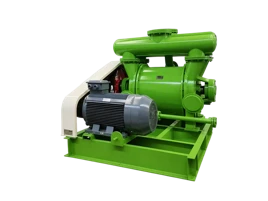
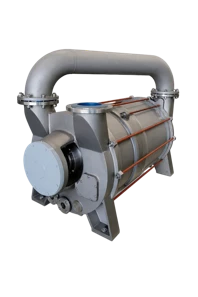
The pharmaceutical industry is one of the most highly regulated sectors globally, with strict standards in place to ensure product safety, quality, and efficacy. Water ring vacuum pumps play a crucial role in various pharmaceutical processes, such as distillation, drying, and filtration. As a water ring vacuum pump supplier, understanding the regulatory requirements for using these pumps in the pharmaceutical industry is essential for both us and our customers.
Good Manufacturing Practices (GMP)
Good Manufacturing Practices (GMP) are a set of regulations that govern the manufacturing, testing, and quality control of pharmaceutical products. These regulations are designed to ensure that pharmaceutical products are consistently produced and controlled to meet the quality standards appropriate to their intended use. When it comes to water ring vacuum pumps, GMP requirements have a significant impact on their selection, installation, operation, and maintenance.
Material Selection
GMP requires that all equipment in contact with pharmaceutical products or their raw materials must be made of materials that are non - reactive, non - additive, and non - absorptive. For water ring vacuum pumps, this means that the wetted parts (parts that come into contact with the process fluid) should be made of materials such as stainless steel (e.g., 316L stainless steel), which is resistant to corrosion and does not contaminate the pharmaceutical products. Our 2BV Liquid Ring Vacuum Pump is designed with high - quality stainless steel wetted parts, ensuring compliance with GMP material requirements.
Cleanability
The pump must be easy to clean to prevent cross - contamination between different batches of pharmaceutical products. This includes having smooth surfaces without crevices or dead spaces where product residues can accumulate. Our pumps are designed with a simple and streamlined structure, allowing for easy disassembly and cleaning. Regular cleaning and sanitization of the water ring vacuum pump are also required as part of the GMP - compliant maintenance program.
Documentation
GMP mandates comprehensive documentation of all manufacturing processes, including the use of equipment like water ring vacuum pumps. This documentation should include installation qualification (IQ), operational qualification (OQ), and performance qualification (PQ) protocols. IQ verifies that the pump is installed correctly according to the manufacturer's specifications. OQ ensures that the pump operates within the defined parameters, while PQ confirms that the pump can consistently perform its intended function in the pharmaceutical process. As a supplier, we provide detailed documentation and support to our customers to assist them in completing these qualification processes.
Environmental Regulations
The pharmaceutical industry is also subject to environmental regulations, which have implications for the use of water ring vacuum pumps.


Wastewater Management
Water ring vacuum pumps use water as a sealing and cooling medium. The wastewater generated from these pumps may contain contaminants such as solvents, chemicals, or pharmaceutical residues. Environmental regulations require that this wastewater be treated properly before disposal. Our 2BE3 Large Liquid Ring Vacuum Pump is designed with features that can help reduce the amount of wastewater generated. Additionally, we can provide guidance on appropriate wastewater treatment solutions to ensure compliance with environmental regulations.
Energy Efficiency
With the increasing focus on sustainability, energy efficiency has become an important regulatory consideration. Water ring vacuum pumps can consume a significant amount of energy, especially in large - scale pharmaceutical manufacturing facilities. Many regions have regulations or incentives in place to encourage the use of energy - efficient equipment. Our pumps are designed with advanced technologies to improve energy efficiency, such as optimized impeller designs and variable - speed drives. By using our energy - efficient pumps, pharmaceutical companies can not only reduce their energy consumption but also meet regulatory requirements related to energy efficiency.
Safety Regulations
Safety is of utmost importance in the pharmaceutical industry, and water ring vacuum pumps must comply with relevant safety regulations.
Pressure and Vacuum Limits
Water ring vacuum pumps operate under specific pressure and vacuum conditions. Safety regulations require that the pumps be equipped with appropriate pressure and vacuum relief devices to prevent over - pressurization or over - vacuum situations, which could lead to equipment failure or safety hazards. Our 2BE1 Liquid Ring Vacuum Pump is designed with built - in safety features, such as pressure relief valves, to ensure safe operation within the specified limits.
Electrical Safety
Since water ring vacuum pumps are often powered by electricity, electrical safety is a critical aspect. The pumps must comply with electrical safety standards, including proper grounding, insulation, and protection against electrical shocks. We ensure that our pumps are manufactured in accordance with international electrical safety standards to provide a safe working environment for pharmaceutical operators.
Quality Assurance and Testing
In addition to the above regulations, pharmaceutical companies are required to have a robust quality assurance and testing program for their equipment, including water ring vacuum pumps.
In - house Testing
Pharmaceutical companies may conduct in - house testing of the water ring vacuum pumps to ensure their performance and compliance with regulatory requirements. This can include testing for vacuum level, flow rate, and power consumption. As a supplier, we provide technical support to our customers to assist them in conducting these tests accurately.
Third - party Certification
Some pharmaceutical companies may require third - party certification of the water ring vacuum pumps to ensure compliance with industry standards. We work with recognized third - party certification bodies to obtain certifications such as ISO 9001 (Quality Management System) and ISO 14001 (Environmental Management System) for our pumps, providing our customers with additional assurance of product quality and compliance.
Conclusion
As a water ring vacuum pump supplier, we understand the complex regulatory requirements for using our pumps in the pharmaceutical industry. Our product range, including the 2BV Liquid Ring Vacuum Pump, 2BE3 Large Liquid Ring Vacuum Pump, and 2BE1 Liquid Ring Vacuum Pump, is designed and manufactured to meet these requirements. We are committed to providing high - quality, compliant products and comprehensive support to our customers in the pharmaceutical industry.
If you are in the pharmaceutical industry and are looking for a reliable water ring vacuum pump supplier that understands and adheres to all the regulatory requirements, we would be delighted to discuss your specific needs. Contact us today to start a conversation about how our pumps can enhance your pharmaceutical manufacturing processes while ensuring compliance with all relevant regulations.
References
- World Health Organization. Good Manufacturing Practices for Pharmaceutical Products.
- Environmental Protection Agency. Regulations on Industrial Wastewater Disposal.
- Occupational Safety and Health Administration. Electrical and Pressure Safety Standards for Industrial Equipment.