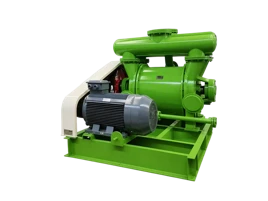
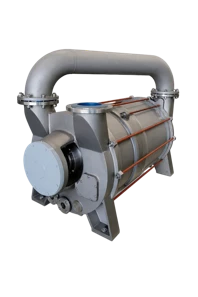
Hey there! As a supplier of water ring pumps, I've seen firsthand the importance of safety when operating these machines. Water ring pumps are widely used in various industries for tasks like vacuuming, compression, and liquid transfer. But just like any other equipment, they come with their own set of risks if not handled properly. So, let's dive into the safety precautions you need to take when operating a water ring pump.
Pre - operation Checks
Before you even think about starting the water ring pump, there are a few crucial checks you should perform. First off, visually inspect the pump. Look for any signs of damage such as cracks in the casing, loose fittings, or worn - out parts. A damaged pump can not only malfunction but also pose a serious safety hazard. For example, a crack in the casing could lead to leaks, which might expose you to harmful chemicals if the pump is handling them.
Next, check the lubrication levels. Proper lubrication is essential for the smooth operation of the pump. Low lubricant levels can cause excessive friction, overheating, and eventually, pump failure. Make sure to use the lubricant recommended by the manufacturer.
Another important pre - operation check is to ensure that the electrical connections are secure. Loose electrical connections can lead to short circuits, electrical shocks, or even fires. Check for any frayed wires or damaged insulation. If you notice any issues, don't attempt to fix them yourself unless you're a qualified electrician. Instead, have a professional take care of it.
Personal Protective Equipment (PPE)
Wearing the right PPE is non - negotiable when operating a water ring pump. Safety glasses are a must to protect your eyes from any flying debris or splashes. If the pump is handling chemicals or other hazardous substances, you might also need a face shield for additional protection.
Gloves are another important piece of PPE. They protect your hands from cuts, abrasions, and chemical exposure. Depending on the nature of the work, you might need different types of gloves. For example, if you're dealing with corrosive chemicals, you'll need chemical - resistant gloves.
Ear protection is also necessary, especially if the pump is noisy. Prolonged exposure to high - decibel noise can cause hearing loss. You can use earplugs or earmuffs, depending on your preference and the level of noise.
Operating the Pump
When starting the pump, follow the manufacturer's instructions carefully. Make sure all the valves are in the correct position. Incorrect valve settings can lead to improper pressure build - up, which can cause the pump to malfunction or even explode.
During operation, keep an eye on the pump's performance. Monitor the pressure gauges, temperature sensors, and other indicators. If you notice any abnormal readings, such as a sudden increase in temperature or pressure, stop the pump immediately. Continuing to operate a pump with abnormal readings can lead to serious damage and safety risks.
Avoid overloading the pump. Each pump has a specified capacity, and exceeding this capacity can cause the pump to overheat and fail. If you need to handle a larger volume, consider using a larger pump or multiple pumps in parallel.
Maintenance and Cleaning
Regular maintenance is key to the safe and efficient operation of a water ring pump. Follow the manufacturer's maintenance schedule. This usually includes tasks like changing the lubricant, replacing filters, and inspecting the seals.
When cleaning the pump, make sure to use the appropriate cleaning agents. Using the wrong cleaning agents can damage the pump's components. Also, make sure the pump is turned off and disconnected from the power source before cleaning.
Emergency Procedures
It's important to have emergency procedures in place in case something goes wrong. Know the location of the emergency stop button and how to use it. In case of a fire, have a fire extinguisher nearby and know how to operate it.
If there's a leak or spill, follow the proper spill - response procedures. This might involve containing the spill, cleaning it up safely, and disposing of the contaminated materials properly.
Specific Considerations for Different Models
We offer a range of water ring pumps, such as the 2BED 2 Stage Liquid Ring Vacuum Pump, the 2BV Liquid Ring Vacuum Pump, and the 2BE1 Liquid Ring Vacuum Pump. Each model might have specific safety considerations.
For example, the 2BED 2 Stage Liquid Ring Vacuum Pump is a high - performance pump that requires careful monitoring of the vacuum levels. Incorrect vacuum levels can affect the pump's efficiency and safety. The 2BV Liquid Ring Vacuum Pump is often used in smaller applications, but it still requires proper maintenance and operation to ensure safety. The 2BE1 Liquid Ring Vacuum Pump is known for its durability, but like all pumps, it needs to be operated within its specified parameters.
In conclusion, safety should always be your top priority when operating a water ring pump. By following these safety precautions, you can ensure the safe and efficient operation of the pump, protect your employees, and avoid costly downtime.
If you're in the market for a water ring pump or need more information about our products, we'd love to hear from you. Feel free to reach out to us to discuss your requirements and start a procurement conversation.


References
- Manufacturer's manuals for water ring pumps
- Occupational Safety and Health Administration (OSHA) guidelines for pump operation
- Industry best practices for water ring pump safety