Hey there! As a high volume vacuum pump supplier, I often get asked about the difference between oil-lubricated and oil-free high volume vacuum pumps. So, I thought I'd write this blog to break it down for you in a simple and easy-to-understand way.

How They Work
Let's start with how these two types of pumps operate. An oil-lubricated high volume vacuum pump uses oil for a few important jobs. First off, the oil acts as a lubricant for the moving parts inside the pump. This reduces friction, which means less wear and tear on the components. It's like putting oil in your car engine to make sure everything runs smoothly.
Secondly, the oil helps to seal the pump chambers. A good seal is crucial because it allows the pump to create and maintain a high level of vacuum. Without a proper seal, air can leak in, and the pump won't work as efficiently.
On the other hand, oil-free high volume vacuum pumps don't use oil for lubrication or sealing. Instead, they rely on special materials and designs to achieve the same goals. For example, some oil-free pumps use self-lubricating materials for their moving parts. These materials can reduce friction without the need for oil. Others use advanced sealing technologies that don't require an oil barrier.
Performance
When it comes to performance, both types of pumps have their strengths. Oil-lubricated pumps are generally known for their ability to create a very high vacuum. The oil helps to seal the chambers tightly, allowing the pump to remove a large amount of air from the system quickly. This makes them ideal for applications where a deep vacuum is required, such as in the semiconductor industry or in some types of chemical processing.
However, oil-free pumps have their own advantages. They are often more suitable for applications where oil contamination is a concern. For instance, in the food and beverage industry, any oil leakage from a pump could contaminate the products. Oil-free pumps eliminate this risk, making them a safer choice.
In terms of maintenance, oil-lubricated pumps require regular oil changes. Over time, the oil can become dirty or lose its lubricating properties, so it needs to be replaced. This adds to the operating cost and maintenance effort. Oil-free pumps, on the other hand, have fewer maintenance requirements. They don't need oil changes, and in some cases, the only maintenance might be periodic cleaning or replacing simple components.
Cost
Cost is always an important factor when choosing a vacuum pump. Oil-lubricated pumps are usually cheaper to buy initially. They have been around for a long time, and the technology is well-established, which means the manufacturing costs are relatively low. However, as mentioned earlier, they have higher operating costs due to the need for oil changes and more frequent maintenance.

Oil-free pumps, on the other hand, tend to be more expensive to purchase. The advanced materials and technologies used in their design make them pricier. But in the long run, they can be more cost-effective because of their lower maintenance requirements and reduced risk of product contamination.
Applications
Let's take a look at some specific applications for each type of pump.
Oil-lubricated pumps:
- Industrial manufacturing: In metalworking, for example, oil-lubricated pumps are used to create a vacuum for processes like vacuum heat treatment. The high vacuum levels they can achieve are essential for ensuring the quality of the treated metal.
- Vacuum furnaces: These pumps are also commonly used in vacuum furnaces to remove air and create a controlled environment for melting and processing metals and other materials.
Oil-free pumps:
- Food and beverage industry: As mentioned earlier, oil-free pumps are a must in this industry to prevent product contamination. They are used in processes like vacuum packaging, where a clean and oil-free environment is crucial.
- Medical and pharmaceutical: In medical applications, such as in vacuum-based medical devices or in pharmaceutical manufacturing, oil-free pumps are preferred to ensure the safety and purity of the products.
Our Product Range
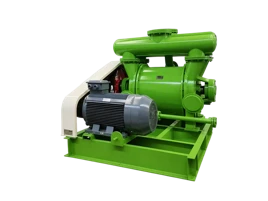
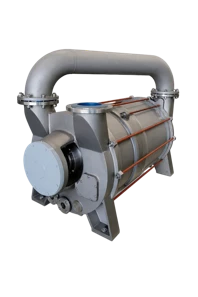
At our company, we offer a wide range of high volume vacuum pumps to meet different needs. If you're interested in oil-lubricated pumps, we have some great options. For example, our 2BV Liquid Ring Vacuum Pump is a reliable choice for many industrial applications. It uses a liquid ring to create a vacuum, and the oil lubrication ensures smooth operation and high performance.
If you need a larger capacity pump, our 2BE3 Large Liquid Ring Vacuum Pump is a great option. It's designed for high volume applications and can handle large amounts of air flow.
For those who require an oil-free solution, our 2BED 2 Stage Liquid Ring Vacuum Pump is a top choice. It offers a high level of vacuum without the risk of oil contamination.
Conclusion
So, in summary, the main differences between oil-lubricated and oil-free high volume vacuum pumps lie in their working principles, performance, cost, and applications. Oil-lubricated pumps are great for achieving high vacuum levels but require more maintenance and have a risk of oil contamination. Oil-free pumps are more suitable for applications where cleanliness is a priority and have lower maintenance requirements.
If you're in the market for a high volume vacuum pump, I'd be happy to help you choose the right one for your specific needs. Whether you need a pump for industrial manufacturing, food processing, or any other application, we have the expertise and products to meet your requirements. Don't hesitate to reach out to us to start a conversation about your vacuum pump needs. We're here to make sure you get the best pump for your business.
References
- "Vacuum Technology Handbook"
- "Industrial Vacuum Pumps: Principles and Applications"