Hey there! As a supplier of high flow vacuum pumps, I've seen firsthand the impact that dust can have on these machines. In this blog post, I'll dive into what dust does to a high flow vacuum pump, and why it's crucial to keep an eye on this issue.


First off, let's talk about what a high flow vacuum pump is. These pumps are designed to move large volumes of air or gas at low pressures. They're used in a wide range of industries, from manufacturing and chemical processing to food and beverage production. High flow vacuum pumps are essential for many processes, such as vacuum packaging, distillation, and filtration.
Now, let's get to the main topic: dust. Dust is a common problem in many industrial environments. It can come from a variety of sources, including manufacturing processes, construction sites, and outdoor air. When dust enters a high flow vacuum pump, it can cause a number of issues.
One of the most immediate impacts of dust on a high flow vacuum pump is reduced performance. Dust particles can clog the pump's intake filters, reducing the amount of air or gas that the pump can move. This can lead to a decrease in vacuum levels and a slower pumping speed. In some cases, the pump may even stop working altogether.
Another problem caused by dust is increased wear and tear on the pump's components. Dust particles can act as abrasives, scratching and wearing down the pump's internal parts. This can lead to leaks, reduced efficiency, and ultimately, premature failure of the pump. Over time, the cost of replacing worn-out components can add up, making it an expensive problem to deal with.
Dust can also have a negative impact on the quality of the vacuum produced by the pump. When dust particles are present in the air or gas being pumped, they can contaminate the vacuum environment. This can be a major issue in industries where a clean vacuum is essential, such as semiconductor manufacturing and pharmaceutical production. Contaminated vacuums can lead to product defects, reduced yields, and increased production costs.
In addition to these performance and quality issues, dust can also pose a safety risk. In some industrial environments, dust can be flammable or explosive. If dust accumulates in the pump's motor or other electrical components, it can increase the risk of a fire or explosion. This is a serious concern that requires immediate attention to prevent accidents and protect workers.
So, what can you do to prevent dust from causing problems with your high flow vacuum pump? The first step is to install high-quality intake filters. These filters are designed to trap dust particles before they enter the pump, preventing them from causing damage. Make sure to choose filters that are appropriate for the type of dust and the level of contamination in your environment.
Regular maintenance is also essential. This includes cleaning or replacing the intake filters on a regular basis, as well as inspecting the pump for signs of wear and tear. By keeping the pump clean and well-maintained, you can extend its lifespan and prevent costly breakdowns.
Another option is to use a dust collection system in conjunction with your high flow vacuum pump. These systems are designed to capture dust particles before they enter the pump, reducing the amount of dust that the pump has to deal with. There are a variety of dust collection systems available, including bag filters, cyclone separators, and electrostatic precipitators.
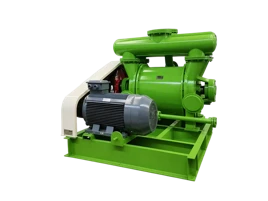
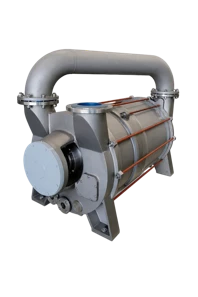
When it comes to choosing a high flow vacuum pump, it's important to consider the specific requirements of your application. At our company, we offer a range of high-quality vacuum pumps, including the 2BED 2 Stage Liquid Ring Vacuum Pump, the 2BV Liquid Ring Vacuum Pump, and the 2BE1 Liquid Ring Vacuum Pump. These pumps are designed to handle a variety of applications and are built to last.
In conclusion, dust can have a significant impact on the performance, quality, and safety of a high flow vacuum pump. By understanding the problems caused by dust and taking steps to prevent them, you can ensure that your pump operates efficiently and reliably. If you have any questions about high flow vacuum pumps or need help choosing the right pump for your application, don't hesitate to contact us. We're here to help you find the best solution for your needs.
References
- "Industrial Vacuum Pumps: Principles, Design, and Operation" by John F. Dybbs
- "Dust Control in Industrial Environments" by the Occupational Safety and Health Administration (OSHA)
- "Vacuum Technology Handbook" by Peter L. Rice