Dust is an omnipresent factor in various industrial and environmental settings, and its impact on the performance of a single stage vacuum pump is a critical concern for businesses relying on these essential devices. As a supplier of single stage vacuum pumps, I have witnessed firsthand the challenges that dust can pose to the efficient operation of these pumps. In this blog, I will delve into the specific ways in which dust affects the performance of a single stage vacuum pump and discuss strategies to mitigate these issues.
How Dust Enters the System
Before exploring the impact of dust on a single stage vacuum pump, it's important to understand how dust can find its way into the pump system. In industrial environments, dust can be generated from manufacturing processes such as grinding, sanding, and cutting. In addition, external sources such as construction sites, mining operations, and agricultural activities can introduce dust into the air, which can then be drawn into the vacuum pump during operation. Even in relatively clean environments, small amounts of dust can accumulate over time, especially if the intake filters are not properly maintained.
Effects on Pump Efficiency
One of the most significant impacts of dust on a single stage vacuum pump is a reduction in efficiency. When dust particles enter the pump, they can accumulate on the internal components, such as the impeller, vanes, and housing. This buildup of dust creates additional friction and resistance, which requires the pump to work harder to achieve the same level of vacuum. As a result, the pump consumes more energy, leading to higher operating costs.


Moreover, the presence of dust can also cause the pump to lose its ability to maintain a consistent vacuum level. The dust particles can disrupt the flow of air within the pump, leading to fluctuations in the vacuum pressure. This instability can be particularly problematic in applications where a precise vacuum level is required, such as in semiconductor manufacturing or vacuum packaging.
Wear and Tear on Components
Dust can also cause significant wear and tear on the internal components of a single stage vacuum pump. The abrasive nature of dust particles can erode the surfaces of the impeller, vanes, and other moving parts, leading to premature failure. Over time, this wear can cause the components to become misaligned or damaged, further reducing the pump's performance and reliability.
In addition, the accumulation of dust can also lead to the formation of deposits and corrosion on the internal surfaces of the pump. These deposits can clog the passages and restrict the flow of air, while corrosion can weaken the structural integrity of the components. Both of these issues can ultimately result in costly repairs or the need for a complete pump replacement.
Impact on Sealing and Lubrication
Another area where dust can have a negative impact on a single stage vacuum pump is in the sealing and lubrication systems. Dust particles can penetrate the seals and gaskets, causing them to lose their effectiveness and allowing air to leak into the pump. This leakage can reduce the vacuum level and increase the energy consumption of the pump.
Furthermore, dust can also contaminate the lubricating oil in the pump, reducing its ability to lubricate and cool the moving parts. This can lead to increased friction, heat generation, and wear on the components. In severe cases, the contaminated oil can also cause damage to the bearings and other critical parts of the pump.
Mitigation Strategies
To minimize the impact of dust on the performance of a single stage vacuum pump, it is essential to implement effective mitigation strategies. One of the most important steps is to install high-quality intake filters to prevent dust from entering the pump. These filters should be regularly inspected and replaced to ensure they are functioning properly.
In addition, it is also important to maintain a clean and dust-free environment around the pump. This can be achieved by implementing proper housekeeping practices, such as regular cleaning and dust control measures. For example, using dust collectors or vacuum cleaners to remove dust from the surrounding area can help reduce the amount of dust that is drawn into the pump.
Regular maintenance and servicing of the pump are also crucial to ensure its optimal performance. This includes inspecting and cleaning the internal components, checking the seals and gaskets, and replacing the lubricating oil as recommended by the manufacturer. By following these maintenance procedures, you can extend the lifespan of the pump and reduce the risk of costly breakdowns.
Our Product Solutions
As a supplier of single stage vacuum pumps, we offer a range of high-quality products that are designed to withstand the challenges of dusty environments. Our pumps are equipped with advanced filtration systems and durable components to ensure reliable performance and long service life.
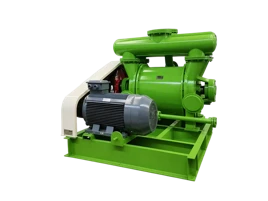
One of our popular products is the 2BE1 Liquid Ring Vacuum Pump, which is known for its high efficiency and low maintenance requirements. This pump is suitable for a wide range of applications, including chemical processing, food and beverage, and pharmaceutical industries.
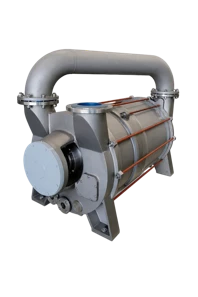
Another option is the 2BED 2 Stage Liquid Ring Vacuum Pump, which offers even higher vacuum levels and greater pumping capacity. This pump is ideal for applications that require a deep vacuum, such as in vacuum distillation and freeze drying.
For smaller applications, we also offer the 2BV Liquid Ring Vacuum Pump, which is compact and energy-efficient. This pump is suitable for use in laboratories, packaging machines, and other small-scale applications.
Conclusion
In conclusion, dust can have a significant impact on the performance of a single stage vacuum pump. It can reduce efficiency, cause wear and tear on components, and affect the sealing and lubrication systems. However, by implementing effective mitigation strategies and using high-quality pumps, you can minimize these issues and ensure the reliable operation of your vacuum system.
If you are in the market for a single stage vacuum pump or need assistance with your existing pump, please do not hesitate to contact us. Our team of experts is ready to help you find the right solution for your specific needs. We look forward to working with you to improve the performance and efficiency of your vacuum system.
References
- "Vacuum Pumps: Principles and Practice" by P. A. Redhead, J. P. Hobson, and E. V. Kornelsen
- "Handbook of Vacuum Technology" by O. Ludwig and M. P. O'Hanlon
- Manufacturer's manuals and technical documentation for single stage vacuum pumps