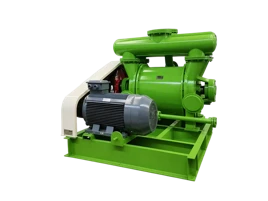
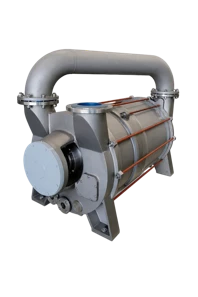
As a provider of large vacuum pumps, I understand the importance of noise reduction in industrial settings. Excessive noise not only causes discomfort to workers but can also lead to long - term health issues such as hearing loss. Moreover, in some areas, there are strict noise regulations that industries must comply with. In this blog, I will discuss several effective noise reduction methods for large vacuum pumps.
1. Isolation and Enclosure
One of the most straightforward ways to reduce the noise emitted by a large vacuum pump is through isolation and enclosure. By placing the vacuum pump inside a specially designed acoustic enclosure, the sound waves can be contained and absorbed.
Acoustic enclosures are typically made of materials with high sound - absorbing properties, such as fiberglass or mineral wool. These materials can effectively reduce the intensity of the sound waves before they are transmitted to the surrounding environment. The enclosure should be well - sealed to prevent sound leakage. Additionally, proper ventilation is crucial to ensure that the vacuum pump does not overheat.
When designing the enclosure, it is also important to consider access points for maintenance and monitoring. Doors and panels should be designed in a way that they can be easily opened and closed while still maintaining the integrity of the sound - proofing. For example, our 2BE3 Large Liquid Ring Vacuum Pump can greatly benefit from a well - designed acoustic enclosure. The 2BE3 series is known for its high - performance operation, but like any large - scale equipment, it can generate significant noise. An enclosure can help bring the noise levels down to an acceptable range.
2. Vibration Isolation
Vibrations from the vacuum pump can be a major source of noise. When the pump vibrates, it transfers energy to the surrounding structures, which then radiate sound waves. To reduce this type of noise, vibration isolation techniques can be employed.
One common method is to use vibration isolators, such as rubber mounts or spring isolators. These isolators are placed between the vacuum pump and its mounting surface. Rubber mounts are made of high - quality rubber compounds that can absorb and dampen vibrations. Spring isolators, on the other hand, use springs to provide a flexible connection between the pump and the base, reducing the transmission of vibrations.
For instance, our 2BED 2 Stage Liquid Ring Vacuum Pump often operates at high speeds and can generate substantial vibrations. By installing appropriate vibration isolators, we can significantly reduce the noise caused by these vibrations. The isolators not only reduce noise but also help to extend the lifespan of the pump by reducing the stress on its components.
3. Silencers and Mufflers
Silencers and mufflers are another effective way to reduce the noise of large vacuum pumps. These devices are installed in the intake and exhaust systems of the pump to attenuate the sound waves generated during the pumping process.
There are different types of silencers and mufflers available, including reactive silencers, absorptive silencers, and combination silencers. Reactive silencers work by reflecting and canceling out the sound waves using chambers and baffles. Absorptive silencers, on the other hand, use sound - absorbing materials to convert the sound energy into heat. Combination silencers combine the features of both reactive and absorptive silencers for better noise reduction performance.


For our 2BE1 Liquid Ring Vacuum Pump, a well - designed silencer can be installed in the exhaust system to reduce the high - frequency noise associated with the expulsion of air. The choice of silencer depends on the specific characteristics of the pump, such as the flow rate, pressure, and frequency of the noise.
4. Regular Maintenance
Proper and regular maintenance of the large vacuum pump is essential for noise reduction. Over time, components of the pump can wear out, which can lead to increased noise levels. For example, worn - out bearings can cause excessive vibrations and noise. By regularly inspecting and replacing these components, we can keep the pump running smoothly and quietly.
Lubrication is also an important aspect of maintenance. Insufficient lubrication can cause friction between moving parts, resulting in increased noise and wear. Therefore, it is necessary to follow the manufacturer's recommendations for lubrication intervals and use the appropriate lubricants.
5. System Design Optimization
The overall design of the vacuum system can also have a significant impact on noise levels. For example, the layout of the pipes and ducts in the system can affect the flow of air and the generation of noise. Sharp bends and constrictions in the pipes can cause turbulence, which in turn generates noise. By optimizing the pipe layout and using smooth - walled pipes, we can reduce the noise caused by air flow.
In addition, the sizing of the vacuum pump and the associated equipment should be carefully considered. An oversized pump may operate inefficiently and generate more noise than necessary, while an undersized pump may not be able to meet the required vacuum levels, leading to over - working and increased noise.
If you are in the market for a large vacuum pump and are concerned about noise levels, we are here to help. Our team of experts can provide you with detailed information on the noise reduction capabilities of our products, as well as customized solutions based on your specific needs. Whether you are looking for a 2BE3 Large Liquid Ring Vacuum Pump, a 2BED 2 Stage Liquid Ring Vacuum Pump, or a 2BE1 Liquid Ring Vacuum Pump, we can assist you in making the right choice. Contact us today to start a conversation about your vacuum pump requirements and how we can help you achieve a quiet and efficient industrial environment.
References
- "Industrial Noise Control and Acoustics" by Clarence E. Bies and Malcolm A. Hansen.
- "Handbook of Vacuum Technology" by Peter Leck.
- Technical manuals of our large vacuum pumps.