In the realm of industrial equipment, single - stage vacuum pumps play a crucial role in numerous applications, from chemical processing to food packaging. As a trusted single - stage vacuum pump supplier, I've had the privilege of witnessing firsthand the significance of each component within these pumps. Among these components, the exhaust valve stands out as a key player, influencing the pump's performance, efficiency, and overall functionality.
Understanding the Basics of a Single - Stage Vacuum Pump
Before delving into the role of the exhaust valve, it's essential to understand the fundamental working principle of a single - stage vacuum pump. A single - stage vacuum pump operates by creating a vacuum within a chamber through a mechanical process. Typically, it uses a rotating mechanism, such as a vane or a piston, to draw in gas from the system that needs to be evacuated. As the mechanism rotates, it traps the gas and compresses it before expelling it from the pump.
This process involves two main phases: the intake phase, where gas enters the pump, and the exhaust phase, where the compressed gas is removed. The exhaust valve is a critical part of the exhaust phase, controlling the flow of gas out of the pump.
The Role of the Exhaust Valve
1. Gas Expulsion
The primary role of the exhaust valve is to allow the compressed gas to exit the pump. Once the gas has been compressed within the pump chamber, the exhaust valve opens to provide a pathway for the gas to be released into the surrounding environment or a connected exhaust system. This is essential for maintaining the continuous operation of the pump. If the exhaust valve fails to open properly, the compressed gas will be trapped inside the pump, leading to increased pressure and potentially damaging the pump components.
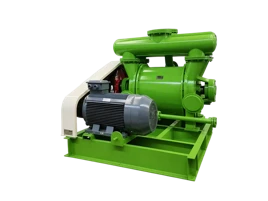
For example, in our 2BE3 Large Liquid Ring Vacuum Pump, the exhaust valve is designed to open precisely at the right time during the compression cycle. This ensures that the compressed gas is efficiently expelled, allowing the pump to maintain its performance and vacuum level.
2. Pressure Regulation
The exhaust valve also plays a vital role in regulating the pressure within the pump. By controlling the flow of gas out of the pump, it helps to maintain a stable pressure differential between the pump chamber and the exhaust side. This is crucial for the proper functioning of the pump. If the pressure inside the pump becomes too high, it can cause excessive wear and tear on the pump components, reduce the pump's efficiency, and even lead to pump failure.

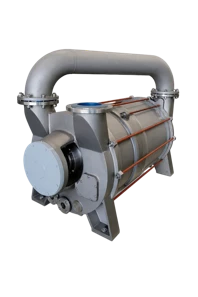
Our 2BE1 Liquid Ring Vacuum Pump is equipped with a highly sensitive exhaust valve that can adjust the gas flow based on the pressure inside the pump. This ensures that the pump operates within a safe and efficient pressure range, maximizing its lifespan and performance.

3. Preventing Backflow
Another important function of the exhaust valve is to prevent the backflow of gas into the pump. Once the gas has been expelled from the pump, the exhaust valve closes to create a seal, preventing the gas from re - entering the pump chamber. This is particularly important in applications where a high level of vacuum needs to be maintained. If backflow occurs, it can reduce the vacuum level and contaminate the gas in the system.
In our 2BV Liquid Ring Vacuum Pump, the exhaust valve is designed with a one - way mechanism that allows gas to flow out of the pump but prevents it from flowing back in. This ensures that the pump can maintain a consistent vacuum level, even in demanding applications.
Impact of Exhaust Valve Design on Pump Performance
The design of the exhaust valve can have a significant impact on the performance of a single - stage vacuum pump. Factors such as the valve's material, size, shape, and opening and closing mechanism can all affect the pump's efficiency, reliability, and noise level.
1. Material Selection
The material used to manufacture the exhaust valve is crucial. It needs to be able to withstand the high pressures and temperatures generated during the pumping process, as well as resist corrosion and wear. Common materials for exhaust valves include stainless steel, brass, and special alloys.
For instance, in our high - performance single - stage vacuum pumps, we use high - quality stainless steel for the exhaust valves. Stainless steel offers excellent corrosion resistance and durability, ensuring that the valve can operate reliably in harsh environments for an extended period.
2. Size and Shape
The size and shape of the exhaust valve also play an important role. A valve that is too small may restrict the flow of gas, reducing the pump's efficiency. On the other hand, a valve that is too large may not provide a proper seal, leading to backflow and reduced vacuum performance.
Our engineering team carefully designs the size and shape of the exhaust valves in our pumps to optimize the gas flow and ensure a tight seal. This allows our pumps to achieve high levels of efficiency and performance.
3. Opening and Closing Mechanism
The opening and closing mechanism of the exhaust valve can affect the pump's noise level and energy consumption. A well - designed mechanism can open and close the valve smoothly and quickly, reducing noise and improving the pump's overall efficiency.
In our advanced single - stage vacuum pumps, we use innovative opening and closing mechanisms that are both quiet and energy - efficient. This not only improves the user experience but also helps to reduce operating costs.
Maintenance and Troubleshooting of the Exhaust Valve
Proper maintenance of the exhaust valve is essential for ensuring the long - term performance of a single - stage vacuum pump. Regular inspection and cleaning can help to prevent valve failure and extend its lifespan.
1. Inspection
Periodically inspect the exhaust valve for signs of wear, damage, or corrosion. Check the valve's opening and closing mechanism to ensure that it is functioning properly. If any issues are detected, replace the valve or repair it as soon as possible.
2. Cleaning
Clean the exhaust valve regularly to remove any dirt, debris, or contaminants that may accumulate on the valve surface. This can help to maintain the valve's performance and prevent clogging.
3. Troubleshooting
If the pump is experiencing problems such as reduced vacuum level, increased noise, or high energy consumption, the exhaust valve may be the culprit. Check the valve for any signs of malfunction and take appropriate measures to fix the issue.
Conclusion
As a single - stage vacuum pump supplier, I understand the critical role that the exhaust valve plays in the performance and reliability of our pumps. The exhaust valve is not just a simple component; it is an essential part of the pump's operation, responsible for gas expulsion, pressure regulation, and preventing backflow.
By carefully designing, selecting, and maintaining the exhaust valve, we can ensure that our single - stage vacuum pumps deliver optimal performance in a wide range of applications. Whether you are in the chemical, food, or pharmaceutical industry, our pumps, including the 2BE3 Large Liquid Ring Vacuum Pump, 2BE1 Liquid Ring Vacuum Pump, and 2BV Liquid Ring Vacuum Pump, are designed to meet your specific needs.
If you are in the market for a high - quality single - stage vacuum pump or have any questions about our products, please don't hesitate to contact us for procurement and further discussion. We are committed to providing you with the best solutions and support for your industrial vacuum needs.
References
- "Vacuum Technology Handbook", John F. O'Hanlon
- "Industrial Vacuum Pumps: Theory, Design, and Application", Klaus J. Welz