In the realm of industrial equipment, rough vacuum pumps play a crucial role in a wide range of applications, from chemical processing to food packaging. As a leading supplier of rough vacuum pumps, I often receive inquiries about various technical aspects of these pumps, and one question that frequently comes up is: "What is the rotational speed of a rough vacuum pump?" In this blog post, I'll delve into this topic, exploring the factors that influence rotational speed, its significance, and how it varies across different types of rough vacuum pumps.
Understanding Rotational Speed
Rotational speed, typically measured in revolutions per minute (RPM), refers to the number of complete rotations a pump's impeller or rotor makes in one minute. This parameter is a fundamental characteristic of a vacuum pump, as it directly affects the pump's performance, including its pumping speed, efficiency, and ultimate vacuum level.
Factors Influencing Rotational Speed
Several factors can influence the rotational speed of a rough vacuum pump:
Pump Design
The design of the pump, including the type of mechanism (e.g., liquid ring, rotary vane, or screw), the size and shape of the impeller or rotor, and the number of stages, can significantly impact the optimal rotational speed. For example, liquid ring vacuum pumps generally operate at lower rotational speeds compared to rotary vane pumps due to their design and the nature of the liquid ring used for sealing and compression.
Application Requirements
The specific requirements of the application, such as the desired pumping speed, ultimate vacuum level, and the type of gas or vapor being pumped, also play a role in determining the appropriate rotational speed. For instance, applications that require high pumping speeds may necessitate higher rotational speeds, while those that demand a deep vacuum may require a more carefully controlled speed to achieve the desired performance.
Motor Power and Efficiency
The power and efficiency of the motor driving the pump are crucial factors. A more powerful motor can typically drive the pump at higher rotational speeds, but it's important to balance this with the pump's design and the application requirements to ensure optimal performance and energy efficiency.
Significance of Rotational Speed
The rotational speed of a rough vacuum pump has several important implications:
Pumping Speed
The pumping speed, which is the volume of gas or vapor that the pump can remove from a system per unit of time, is directly related to the rotational speed. Generally, increasing the rotational speed increases the pumping speed, allowing the pump to evacuate a chamber more quickly. However, there are limits to this relationship, as excessive speed can lead to other issues, such as increased wear and tear, reduced efficiency, and potential damage to the pump.
Ultimate Vacuum Level
The ultimate vacuum level, which is the lowest pressure that the pump can achieve in a system, is also influenced by the rotational speed. In some cases, a higher rotational speed can help the pump reach a lower ultimate vacuum level by more effectively removing gas molecules from the system. However, other factors, such as the pump's design, the quality of the seals, and the presence of leaks, also play important roles.
Efficiency
The efficiency of the pump, which is the ratio of the useful work done by the pump to the energy input, is affected by the rotational speed. Operating the pump at the optimal rotational speed can maximize its efficiency, reducing energy consumption and operating costs. Conversely, operating at a non - optimal speed can lead to decreased efficiency and increased energy waste.
Rotational Speed in Different Types of Rough Vacuum Pumps
Liquid Ring Vacuum Pumps
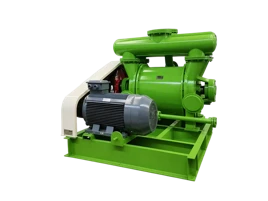
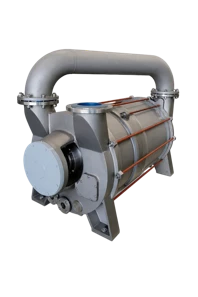
Liquid ring vacuum pumps are widely used in various industries due to their simplicity, reliability, and ability to handle wet or corrosive gases. These pumps typically operate at relatively low rotational speeds, usually in the range of 400 - 1800 RPM. The lower speed is due in part to the need to maintain a stable liquid ring for sealing and compression. For example, our 2BED 2 Stage Liquid Ring Vacuum Pump is designed to operate within an optimal speed range to ensure efficient and reliable performance. The 2 - stage design allows for better vacuum performance, and the carefully selected rotational speed helps to maintain the integrity of the liquid ring and prevent excessive wear on the impeller.
Another popular model, the 2BV Liquid Ring Vacuum Pump, also operates at a moderate rotational speed. This pump is known for its compact design and high efficiency, and the rotational speed is optimized to balance pumping speed, ultimate vacuum level, and energy consumption.
The 2BE1 Liquid Ring Vacuum Pump is a robust and reliable option for industrial applications. It operates at a speed that is carefully calibrated to meet the demands of different processes, providing a good balance between performance and durability.
Rotary Vane Vacuum Pumps
Rotary vane vacuum pumps are known for their high pumping speeds and ability to achieve relatively low pressures. These pumps typically operate at higher rotational speeds compared to liquid ring vacuum pumps, often in the range of 1000 - 3600 RPM. The higher speed allows the vanes to move quickly, creating a more rapid pumping action and enabling the pump to evacuate a chamber more rapidly. However, the higher speed also means that the vanes are subject to more wear and tear, and proper lubrication and maintenance are essential to ensure the pump's longevity.
Screw Vacuum Pumps
Screw vacuum pumps are becoming increasingly popular due to their high efficiency, low noise levels, and ability to handle a wide range of gases and vapors. These pumps usually operate at rotational speeds in the range of 3000 - 6000 RPM. The high speed is necessary to achieve the desired pumping performance, as the screws need to rotate quickly to compress and transport the gas through the pump.


Selecting the Right Rotational Speed
When selecting a rough vacuum pump for a specific application, it's essential to consider the appropriate rotational speed. Here are some steps to help you make the right choice:
Define Your Requirements
Clearly define the requirements of your application, including the desired pumping speed, ultimate vacuum level, the type of gas or vapor being pumped, and any specific environmental or operational constraints.
Consult with Experts
As a rough vacuum pump supplier, we have a team of experts who can provide valuable advice and guidance on selecting the right pump and the appropriate rotational speed for your application. We can help you evaluate different pump models and configurations based on your specific needs.
Consider Long - Term Costs
In addition to the initial purchase cost, consider the long - term operating costs, including energy consumption, maintenance requirements, and the expected lifespan of the pump. Operating the pump at the optimal rotational speed can help minimize these costs over time.
Conclusion
The rotational speed of a rough vacuum pump is a critical parameter that affects its performance, efficiency, and durability. Different types of pumps have different optimal rotational speed ranges, and selecting the right speed is essential for achieving the desired results in your application. As a leading supplier of rough vacuum pumps, we are committed to providing high - quality products and expert advice to help you make the best choice for your specific needs.
If you're interested in learning more about our rough vacuum pumps or need assistance in selecting the right pump for your application, please don't hesitate to contact us. Our team of experts is ready to help you with your procurement and answer any questions you may have.
References
- "Vacuum Technology Handbook", Edited by Peter A. Redhead, John P. Hobson, and Earl V. Kornelsen.
- "Industrial Vacuum Technology: Fundamentals and Applications", By R. M. Warne.