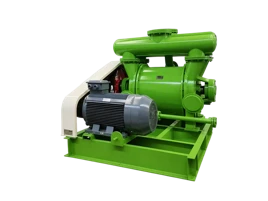
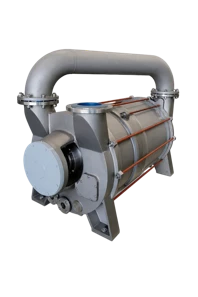
Hey there! As a supplier of dry vacuum pumps, I've seen firsthand the headaches that cavitation can cause. Cavitation is like the silent enemy of dry vacuum pumps, sneaking up and causing all sorts of problems if you're not careful. In this blog, I'm gonna share some tips on how to prevent cavitation in a dry vacuum pump, so you can keep your pump running smoothly and avoid unnecessary downtime.
Understanding Cavitation
Before we dive into prevention methods, let's quickly talk about what cavitation is. Cavitation happens when the pressure in a liquid (or in the case of a dry vacuum pump, the gas) drops below the vapor pressure. This causes tiny vapor bubbles to form. When these bubbles move to an area of higher pressure, they collapse violently. This implosion creates shockwaves that can damage the pump's internal components, like the rotors, vanes, and the housing. It can lead to wear and tear, noise, vibration, and a decrease in the pump's efficiency.
1. Monitor the Suction Pressure
One of the key factors in preventing cavitation is keeping an eye on the suction pressure. If the suction pressure drops too low, it's more likely that cavitation will occur. You should regularly check the suction pressure gauge on your dry vacuum pump. Make sure it stays within the recommended range specified by the pump manufacturer.
For example, if you're using our NZJP Multistage Roots Vacuum Pump, the manual will tell you the ideal suction pressure. If the pressure starts approaching the lower limit, you might need to take action. This could involve adjusting the process upstream to increase the inlet pressure, or checking for any blockages in the suction line.


2. Keep the Pump Clean
A dirty pump can be a breeding ground for cavitation. Debris, dust, and other contaminants can disrupt the smooth flow of gas through the pump. This can lead to pressure fluctuations, which are a major cause of cavitation.
Regularly clean the pump and its components. This includes the inlet and outlet filters, which help to prevent dirt from entering the pump. Replace the filters at the recommended intervals. Also, inspect the pump's interior for any signs of dirt build - up. If you find any, use an appropriate cleaning solution and a soft brush to carefully clean the parts.
3. Check the Gas Composition
The type of gas being pumped can also have an impact on cavitation. Some gases have different vapor pressures and chemical properties, which can affect how the pump operates.
For instance, if you're pumping a gas with a high vapor pressure, the likelihood of cavitation increases. Make sure you know the composition of the gas you're working with. If possible, try to avoid pumping gases with extremely high vapor pressures or those that are highly reactive. If you need to pump such gases, you might want to consider using a more robust pump like our ZJP Roots Vacuum Pump, which is designed to handle a wider range of gas conditions.
4. Maintain the Right Temperature
Temperature plays a crucial role in preventing cavitation. If the temperature of the gas or the pump itself gets too high, the vapor pressure of the gas increases. This makes it more likely for cavitation to occur.
Keep the pump well - ventilated to prevent overheating. You can use fans or cooling systems to maintain a stable temperature. Also, make sure that the gas entering the pump is at an appropriate temperature. If necessary, use heat exchangers or other cooling methods to reduce the gas temperature before it enters the pump.
Our NZJQ Multistage Gas circulation - cooled Roots Pump has an efficient gas circulation - cooling system that helps to keep the pump temperature in check, reducing the risk of cavitation due to overheating.
5. Perform Regular Maintenance
Regular maintenance is the key to preventing cavitation and ensuring the long - term performance of your dry vacuum pump. This includes lubricating moving parts (if applicable), tightening loose bolts, and checking for any signs of wear and tear.
Create a maintenance schedule and stick to it. Have a professional technician service the pump at least once a year, or more frequently if the pump is used in a demanding environment. During these maintenance checks, the technician can detect any potential issues early on and take corrective action before they turn into major problems.
6. Optimize the Pump Speed
The speed at which the pump operates can also affect cavitation. Running the pump too fast can create excessive pressure differentials, increasing the risk of cavitation. On the other hand, running it too slow might not provide enough flow to prevent vapor bubble formation.
Work with the pump manufacturer to determine the optimal speed for your specific application. You might need to make some adjustments based on the gas flow rate, pressure requirements, and other factors. By running the pump at the right speed, you can minimize the chances of cavitation and improve the overall efficiency of the pump.
7. Use Pressure Relief Valves
Pressure relief valves are a great way to protect your pump from cavitation. These valves are designed to open when the pressure inside the pump exceeds a certain limit, allowing excess gas to escape. This helps to maintain a stable pressure inside the pump and prevent the formation of vapor bubbles.
Install pressure relief valves at strategic points in the pump system. Make sure they are properly calibrated to open at the right pressure. Regularly check and test the valves to ensure they are functioning correctly.
8. Train Your Operators
Last but not least, make sure your operators are well - trained on how to operate and maintain the dry vacuum pump. They should understand the causes and effects of cavitation and know how to recognize the signs, such as unusual noises or vibrations.
Provide comprehensive training on pump operation, maintenance procedures, and safety protocols. Encourage operators to report any issues immediately so that they can be addressed promptly. Well - informed operators can play a crucial role in preventing cavitation and keeping your pump in good working condition.
Conclusion
Preventing cavitation in a dry vacuum pump is all about being proactive and taking the right precautions. By monitoring the suction pressure, keeping the pump clean, checking the gas composition, maintaining the right temperature, performing regular maintenance, optimizing the pump speed, using pressure relief valves, and training your operators, you can significantly reduce the risk of cavitation.
If you're in the market for a high - quality dry vacuum pump or need more advice on preventing cavitation, don't hesitate to reach out. We're here to help you find the best solution for your specific needs. Contact us today to start a conversation about your dry vacuum pump requirements.
References
- "Vacuum Technology: A Practical Guide for Scientists and Engineers", by O'Hanlon, John F.
- Manufacturer's manuals for NZJP Multistage Roots Vacuum Pump, ZJP Roots Vacuum Pump, and NZJQ Multistage Gas circulation - cooled Roots Pump.