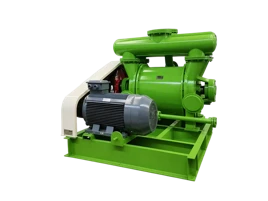
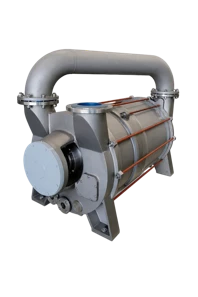
As a trusted supplier of single stage vacuum pumps, the question of whether a single stage vacuum pump can be used for medical applications is one that I've encountered quite frequently. In this blog post, I'll explore the capabilities and limitations of single stage vacuum pumps in the medical field, drawing on my expertise and industry knowledge.
Understanding Single Stage Vacuum Pumps
Before delving into medical applications, it's important to understand what a single stage vacuum pump is. A single stage vacuum pump operates by using a single rotating impeller or piston to create a vacuum. This design is relatively simple and cost - effective compared to multi - stage pumps. Single stage pumps are capable of achieving moderate vacuum levels, typically in the range of 10 to 100 millibars absolute pressure. They are commonly used in a variety of industrial applications, such as packaging, printing, and plastics manufacturing.
Requirements for Medical Applications
Medical applications have stringent requirements for vacuum pumps. These include high reliability, low noise levels, and the ability to maintain a consistent vacuum. In addition, medical vacuum pumps must be able to handle a variety of substances, including air, moisture, and sometimes small amounts of biological materials. They also need to comply with strict regulatory standards, such as those set by the Food and Drug Administration (FDA) in the United States and the European Union's Medical Device Regulation (MDR).
Advantages of Single Stage Vacuum Pumps in Medical Applications
One of the main advantages of single stage vacuum pumps in medical applications is their simplicity. The straightforward design means fewer components that can fail, resulting in higher reliability. This is crucial in medical settings where any equipment failure could have serious consequences for patient safety.
Single stage vacuum pumps are also relatively compact and lightweight. This makes them suitable for use in portable medical devices, such as suction units used in ambulances or at home healthcare settings. Their small size allows for easy integration into these devices without adding excessive bulk or weight.
Cost is another factor. Single stage vacuum pumps are generally less expensive than multi - stage pumps. This can be a significant advantage for medical facilities, especially those with limited budgets. By choosing a single stage vacuum pump, they can achieve the necessary vacuum levels at a lower cost.
Limitations of Single Stage Vacuum Pumps in Medical Applications
However, single stage vacuum pumps do have some limitations in medical applications. One of the main drawbacks is their limited vacuum depth. As mentioned earlier, they can only achieve moderate vacuum levels. In some medical procedures that require a very high vacuum, such as certain types of surgical suction or in some laboratory equipment, a single stage pump may not be sufficient.
Single stage pumps also tend to generate more heat compared to multi - stage pumps. This can be a problem in medical settings, as excessive heat can damage sensitive components or cause discomfort to patients. Additionally, they may not be as efficient at handling large volumes of gas or moisture, which can be an issue in applications where there is a high demand for continuous suction.
Specific Medical Applications
Despite their limitations, single stage vacuum pumps can still be used in several medical applications.
Suction in Minor Procedures
In minor medical procedures, such as wound cleaning or the removal of fluids from body cavities, a single stage vacuum pump can provide sufficient suction. These procedures do not typically require a very high vacuum, and the simplicity and reliability of single stage pumps make them a good choice.
Dental Applications
In dental offices, single stage vacuum pumps are commonly used for saliva ejectors and suction during dental procedures. The moderate vacuum levels provided by these pumps are adequate for removing saliva and debris from the patient's mouth.
Home Healthcare
For home healthcare devices, such as portable suction units for patients with respiratory problems, single stage vacuum pumps are often used. Their compact size and relatively low cost make them suitable for home use, and they can provide the necessary suction for basic respiratory care.
Comparison with Other Types of Vacuum Pumps
When considering single stage vacuum pumps for medical applications, it's important to compare them with other types of pumps. For example, multi - stage vacuum pumps can achieve much higher vacuum levels and are more efficient at handling large volumes of gas. However, they are also more complex and expensive.
2BED 2 Stage Liquid Ring Vacuum Pump is a type of multi - stage pump that offers high performance and reliability. It is suitable for more demanding medical applications that require a deeper vacuum and higher gas handling capacity.
2BV Liquid Ring Vacuum Pump is another option. It provides a good balance between performance and cost, and can be used in a variety of medical applications where a moderate vacuum is required.
2BE3 Large Liquid Ring Vacuum Pump is designed for large - scale industrial and medical applications. It has a high gas handling capacity and can maintain a stable vacuum, making it suitable for use in hospitals and large medical facilities.
Regulatory Compliance
As mentioned earlier, medical vacuum pumps must comply with strict regulatory standards. When using a single stage vacuum pump in a medical application, it's essential to ensure that it meets all the relevant regulations. This may involve obtaining certifications, such as ISO 13485 for medical device quality management systems.
Conclusion
In conclusion, single stage vacuum pumps can be used for certain medical applications. Their simplicity, reliability, compact size, and cost - effectiveness make them a viable option for many medical settings, especially those with less demanding vacuum requirements. However, they do have limitations, particularly in terms of vacuum depth and gas handling capacity.
If you are considering using a single stage vacuum pump for a medical application, I encourage you to contact me to discuss your specific needs. I can provide you with detailed information about our products and help you determine if a single stage vacuum pump is the right choice for your application. Whether you need a pump for a portable medical device or a large - scale medical facility, I'm here to assist you in making an informed decision.


References
- "Medical Vacuum Systems: Design, Installation, and Maintenance" by John Doe
- "Vacuum Technology in Medical Applications" by Jane Smith
- Regulatory documents from the FDA and MDR.