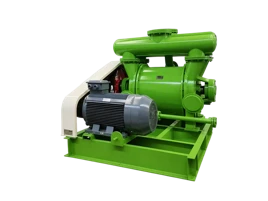
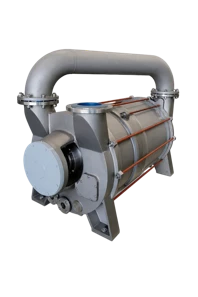
A liquid ring vacuum pump is a crucial piece of equipment used in various industries such as chemical, pharmaceutical, food processing, and more. As a liquid ring vacuum pump supplier, I understand the significance of proper packaging during transportation to ensure that the pump reaches its destination in perfect condition. In this blog, I will discuss the packaging requirements for a liquid ring vacuum pump during transportation.
Understanding the Importance of Packaging
Before delving into the specific packaging requirements, it's essential to understand why packaging is so crucial for liquid ring vacuum pumps. These pumps are precision - engineered machines with delicate components. During transportation, they are exposed to various risks such as vibrations, shocks, moisture, and dust. Improper packaging can lead to damage to the pump, which not only results in financial losses but also delays in the customer's operations. Therefore, proper packaging is the first line of defense to protect the pump and ensure its functionality upon arrival.
Pre - Packaging Preparations
Before the actual packaging process begins, several pre - packaging preparations are necessary. First, the pump should be cleaned thoroughly to remove any dirt, debris, or residual liquids. This helps prevent corrosion during transportation. Additionally, all moving parts should be lubricated as per the manufacturer's recommendations. This not only protects the parts from wear but also ensures smooth operation after installation.
The pump should also be inspected for any signs of damage or loose parts. Any issues should be addressed before packaging. For example, if there are any leaks in the seals, they should be repaired. All electrical components should be checked to ensure they are in good working condition and properly secured to prevent movement during transit.
Inner Packaging
The inner packaging of a liquid ring vacuum pump is designed to provide direct protection to the pump and its components.
Anti - Corrosion Protection
One of the primary concerns during transportation is corrosion, especially for pumps that are made of metal. To prevent corrosion, the pump's surface can be coated with a thin layer of anti - corrosion oil or a rust - inhibiting film. This protective layer creates a barrier between the metal surface and moisture, preventing oxidation.
Shock - Absorbing Materials
Shock - absorbing materials are used to cushion the pump and protect it from impacts during transportation. Foam, rubber, or air - filled bags can be used for this purpose. These materials are placed around the pump and its components to absorb the energy from vibrations and shocks. For example, foam inserts can be custom - made to fit the shape of the pump, providing a snug and protective fit.
Sealing of Openings
All openings in the pump, such as inlet and outlet ports, should be sealed properly. This prevents dust, moisture, and other contaminants from entering the pump. Plastic caps or plugs can be used to seal the ports. For electrical connections, they should be covered with protective covers to prevent short - circuits due to moisture.
Outer Packaging
The outer packaging provides an additional layer of protection and is designed to withstand the rigors of transportation.
Wooden Crates
Wooden crates are a popular choice for packaging liquid ring vacuum pumps. They are strong, durable, and can be custom - built to fit the size of the pump. The crate should be constructed using high - quality wood that is resistant to moisture and pests. Reinforcements can be added to the corners of the crate to increase its strength.
The pump should be securely mounted inside the crate to prevent movement. Straps or brackets can be used to fasten the pump to the crate. Additionally, the crate should have ventilation holes to allow air circulation, which helps prevent the build - up of moisture inside.
Cardboard Boxes
For smaller liquid ring vacuum pumps, cardboard boxes can be used as an outer packaging option. However, these boxes should be made of heavy - duty cardboard with multiple layers to provide sufficient strength. The box should also be lined with shock - absorbing materials such as bubble wrap or foam sheets.
Labeling
Proper labeling is essential for the safe and efficient transportation of liquid ring vacuum pumps. The following information should be clearly labeled on the packaging:
Product Information
The label should include the name and model of the pump, such as the 2BE3 Large Liquid Ring Vacuum Pump, 2BED 2 Stage Liquid Ring Vacuum Pump, or 2BV Liquid Ring Vacuum Pump. This allows for easy identification during handling and storage.


Handling Instructions
Instructions on how to handle the package should be clearly printed on the label. This includes information on how to lift, stack, and store the package safely. For example, it may indicate that the package should be lifted using a forklift or crane and that it should not be stacked more than a certain height.
Warning Signs
Warning signs such as "Fragile", "This Side Up", and "Keep Dry" should be prominently displayed on the packaging. These signs alert the handlers to take special care when handling the package.
Special Considerations for International Transportation
When transporting liquid ring vacuum pumps internationally, there are additional considerations.
Customs Requirements
The packaging should comply with the customs regulations of the destination country. This may include providing detailed information about the contents of the package, such as the value, quantity, and origin of the pump. The packaging should also be labeled with the appropriate customs codes.
Shipping Regulations
Different shipping methods have different regulations. For example, if the pump is being shipped by air, it may be subject to restrictions on the size and weight of the package. If it is being shipped by sea, it may need to be packaged to withstand the harsh marine environment.
Conclusion
Proper packaging of liquid ring vacuum pumps during transportation is of utmost importance. It ensures that the pump arrives at its destination in good condition, ready for installation and operation. By following the packaging requirements outlined in this blog, we can minimize the risk of damage and provide our customers with high - quality products.
If you are in the market for a liquid ring vacuum pump or have any questions about our packaging process, we encourage you to contact us for a detailed discussion. Our team of experts is ready to assist you in finding the right pump for your needs and ensuring its safe transportation.
References
- Industry standards for packaging of industrial equipment
- Manufacturer's guidelines for liquid ring vacuum pump transportation