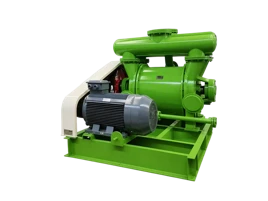
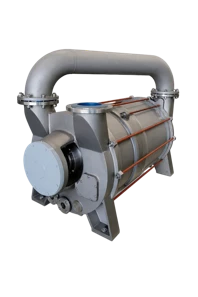
Hey there! As a supplier of water ring vacuum pumps, I've seen my fair share of issues, and one of the most common problems that customers face is the overheating of these pumps. It can be a real headache, but don't worry, I'm here to share some tips on how to deal with this problem.
Understanding the Causes of Overheating
Before we dive into the solutions, it's important to understand why a water ring vacuum pump might overheat. There are several factors that can contribute to this issue:


- High Ambient Temperature: If the pump is operating in an environment with a high ambient temperature, it can cause the pump to overheat. This is because the heat generated by the pump has nowhere to go, and the cooling water may not be able to effectively dissipate the heat.
- Insufficient Cooling Water: The cooling water is essential for keeping the pump at a safe operating temperature. If there is not enough cooling water flowing through the pump, or if the water is not cool enough, the pump will start to overheat.
- Blocked Cooling System: Over time, the cooling system of the pump can become blocked with dirt, debris, or scale. This can restrict the flow of cooling water and prevent the pump from cooling properly.
- Excessive Load: If the pump is being operated at a higher capacity than it is designed for, it can generate more heat than the cooling system can handle. This can lead to overheating and potentially damage the pump.
- Mechanical Issues: Problems with the pump's bearings, seals, or other mechanical components can also cause the pump to overheat. For example, if the bearings are worn out, they can create more friction and generate heat.
Tips for Dealing with Overheating
Now that we know what causes a water ring vacuum pump to overheat, let's look at some ways to prevent and fix this problem:
1. Check the Ambient Temperature
- Make sure the pump is installed in a well-ventilated area with a low ambient temperature. If possible, try to keep the pump away from sources of heat, such as furnaces or direct sunlight.
- If the ambient temperature is too high, you may need to install additional ventilation or cooling equipment to lower the temperature around the pump.
2. Ensure Sufficient Cooling Water
- Check the flow rate and temperature of the cooling water regularly. The cooling water should be flowing at a sufficient rate to effectively cool the pump. You can use a flow meter to measure the flow rate and a thermometer to check the water temperature.
- If the flow rate is too low, check for any blockages in the cooling water pipes or valves. Clean or replace any clogged components as necessary.
- If the water temperature is too high, you may need to increase the flow rate of the cooling water or use a cooler water source. You can also consider installing a heat exchanger to cool the water before it enters the pump.
3. Clean the Cooling System
- Regularly clean the cooling system of the pump to prevent blockages. This includes cleaning the cooling water pipes, valves, and heat exchanger. You can use a descaling agent to remove any scale buildup in the cooling system.
- Inspect the cooling water filter regularly and replace it if it is dirty or clogged. A clean filter will help to ensure that the cooling water is free of dirt and debris.
4. Avoid Excessive Load
- Make sure the pump is being operated within its designed capacity. Do not try to push the pump beyond its limits, as this can cause overheating and damage the pump.
- If you need to increase the capacity of the pump, consider upgrading to a larger model or installing multiple pumps in parallel.
5. Maintain the Mechanical Components
- Regularly inspect and maintain the mechanical components of the pump, such as the bearings, seals, and belts. Replace any worn or damaged components as soon as possible to prevent further damage and overheating.
- Lubricate the bearings and other moving parts according to the manufacturer's recommendations. This will help to reduce friction and heat generation.
6. Monitor the Pump's Performance
- Keep an eye on the pump's operating parameters, such as the temperature, pressure, and flow rate. If you notice any unusual changes in these parameters, it could be a sign of a problem.
- Use a monitoring system to track the performance of the pump over time. This can help you to identify trends and potential issues before they become serious problems.
Specific Solutions for Different Pump Models
We offer a range of water ring vacuum pumps, including the 2BE1 Liquid Ring Vacuum Pump, 2BV Liquid Ring Vacuum Pump, and 2BE3 Large Liquid Ring Vacuum Pump. Each model may have slightly different requirements for cooling and maintenance, so it's important to follow the manufacturer's instructions.
For example, the 2BE1 Liquid Ring Vacuum Pump is a popular model known for its high efficiency and reliability. To prevent overheating in this pump, make sure to keep the cooling water flow rate between 1.5 and 2.5 m³/h and the water temperature below 30°C.
The 2BV Liquid Ring Vacuum Pump is a compact and energy-efficient pump. It is important to regularly check the oil level in the pump's gearbox, as low oil levels can cause the pump to overheat.
The 2BE3 Large Liquid Ring Vacuum Pump is designed for heavy-duty applications. This pump requires a larger cooling water flow rate and may need additional cooling equipment, such as a chiller, to maintain a safe operating temperature.
Conclusion
Overheating is a common problem with water ring vacuum pumps, but it can be prevented and fixed with proper maintenance and care. By following the tips outlined in this blog post, you can keep your pump running smoothly and avoid costly repairs.
If you're experiencing overheating issues with your water ring vacuum pump, or if you're looking to purchase a new pump, don't hesitate to contact us. We have a team of experts who can help you choose the right pump for your application and provide you with the support and maintenance you need to keep it running efficiently.
Let's work together to ensure that your water ring vacuum pump operates at its best. Whether you're in the market for a new pump or need assistance with an existing one, we're here to help. Reach out to us to start a discussion about your specific requirements and how we can meet them.
References
- Manufacturer's manuals for water ring vacuum pumps
- Industry standards and best practices for pump operation and maintenance