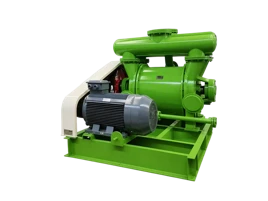
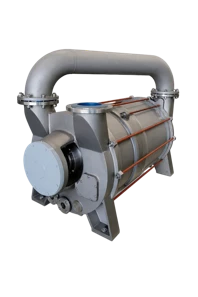
Hey there! As a supplier of water suction vacuum pumps, I often get asked, "What is the weight of a water suction vacuum pump?" Well, it's not a one - size - fits - all answer, and in this blog, I'm gonna break it down for you.
Understanding Water Suction Vacuum Pumps
First things first, let's quickly go over what a water suction vacuum pump is. These pumps are used in a whole bunch of industries, like manufacturing, chemical processing, and even in some home applications. They work by creating a vacuum that allows water to be sucked in and then moved from one place to another. There are different types of water suction vacuum pumps, each with its own set of features and, of course, weights.
Factors Affecting the Weight
The weight of a water suction vacuum pump can vary widely based on several factors.
Size and Capacity
One of the biggest factors is the size and capacity of the pump. Larger pumps that can handle more water flow and higher vacuum levels usually weigh more. For example, a small - scale pump designed for light - duty tasks around the house might be relatively lightweight, maybe just a few kilograms. On the other hand, industrial - grade pumps that are used in big factories or large - scale water treatment plants can weigh hundreds or even thousands of kilograms.
Construction Materials
The materials used to build the pump also play a huge role. Pumps made from lightweight plastics or aluminum will generally be lighter than those made from cast iron or stainless steel. Cast iron pumps are known for their durability and strength, but they come with a heavier weight. Stainless steel pumps are corrosion - resistant and are often used in harsh environments, and they can also be quite heavy, depending on their size.
Additional Features
Some pumps come with extra features like built - in motors, control panels, or filtration systems. These additional components add to the overall weight of the pump. For instance, a pump with a powerful motor and an advanced control system will be heavier than a basic model without these features.
Common Types of Water Suction Vacuum Pumps and Their Weights
Let's take a look at some common types of water suction vacuum pumps and get an idea of their weights.
2BV Liquid Ring Vacuum Pump
The 2BV Liquid Ring Vacuum Pump is a popular choice in many industries. These pumps are known for their reliability and efficiency. The weight of a 2BV pump can vary depending on its specific model and size. Smaller models might weigh around 50 - 100 kilograms, while larger ones can go up to 300 kilograms or more. The weight is influenced by factors such as the size of the impeller, the thickness of the casing, and the type of motor used.
2BE3 Large Liquid Ring Vacuum Pump
The 2BE3 Large Liquid Ring Vacuum Pump is designed for heavy - duty applications. As the name suggests, these are large pumps with high capacities. Due to their size and the robust construction required to handle high - volume water suction, they are quite heavy. Weights for 2BE3 pumps can range from 500 kilograms to over 2000 kilograms, depending on the exact specifications and the options chosen by the customer.
2BED 2 Stage Liquid Ring Vacuum Pump
The 2BED 2 Stage Liquid Ring Vacuum Pump offers higher vacuum levels compared to single - stage pumps. This type of pump is often used in applications where a deeper vacuum is required, such as in the chemical and pharmaceutical industries. The weight of a 2BED pump typically falls in the range of 200 - 1500 kilograms. The two - stage design and the additional components needed to achieve the higher vacuum contribute to its weight.


Why Does the Weight Matter?
You might be wondering why the weight of a water suction vacuum pump is important. Well, there are a few reasons.
Installation and Transport
The weight affects how easy it is to install and transport the pump. A heavy pump might require special equipment, like cranes or forklifts, for installation. It can also be more challenging and costly to transport, especially if it needs to be shipped over long distances. On the other hand, a lightweight pump can be easily moved around and installed by a single person, which can save time and money.
Stability
In some applications, the weight of the pump can contribute to its stability. A heavier pump is less likely to vibrate or move during operation, which can be crucial for maintaining a consistent water flow and preventing damage to the pump and the surrounding equipment.
Choosing the Right Pump Based on Weight
When you're in the market for a water suction vacuum pump, it's important to consider the weight along with other factors. If you have limited space and need a pump that can be easily installed and moved, a lightweight pump might be the way to go. However, if you need a pump for a heavy - duty application where stability and high - volume water handling are required, a heavier, more robust pump would be a better choice.
Contact Us for Your Pump Needs
If you're still not sure which water suction vacuum pump is right for you, or if you have any questions about the weight or other features of our pumps, don't hesitate to reach out. We're here to help you make the best decision for your specific requirements. Whether you need a small, lightweight pump for a home project or a large, industrial - grade pump for your business, we've got you covered.
References
- Pump Handbook by Karassik, I. J., Messina, J. P., Cooper, P. and Heald, C. C.
- Industrial Vacuum Technology: A Practical Guide by O'Hanlon, J. F.