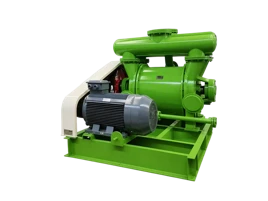
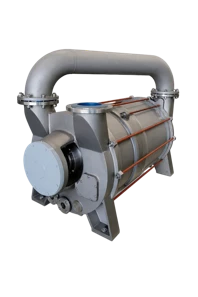
When it comes to industrial operations, rough vacuum pumps play a crucial role in a wide range of applications, from chemical processing to food packaging. As a supplier of rough vacuum pumps, I understand the importance of safety when using these powerful machines. In this blog post, I'll outline the essential safety precautions that should be taken when operating a rough vacuum pump to ensure the well - being of operators and the longevity of the equipment.


1. Pre - operation Checks
Before starting the rough vacuum pump, a series of pre - operation checks are necessary. First, visually inspect the pump for any signs of physical damage, such as cracks in the housing, loose fittings, or damaged hoses. A damaged pump can not only lead to inefficient operation but also pose a safety hazard. For instance, a cracked housing may cause leaks, which can be dangerous if the pumped medium is toxic or flammable.
Check the oil level in the pump if it is an oil - sealed pump. Insufficient oil can lead to overheating and premature wear of the pump components. Refer to the manufacturer's manual for the correct oil level and type. Also, ensure that the cooling system, if applicable, is functioning properly. A malfunctioning cooling system can cause the pump to overheat, potentially resulting in a fire or explosion in extreme cases.
Verify that all the electrical connections are secure and that the power supply is appropriate for the pump's requirements. Loose electrical connections can cause short - circuits, which are a significant safety risk. If you are unsure about the electrical requirements, consult a qualified electrician.
2. Operating Environment
The operating environment of the rough vacuum pump is critical for safety. The pump should be installed in a well - ventilated area. This is especially important for pumps that generate heat during operation or those that handle volatile or toxic substances. Adequate ventilation helps to dissipate heat and prevent the accumulation of harmful fumes.
Keep the area around the pump clean and free of clutter. Tools, debris, or other objects can interfere with the pump's operation or cause tripping hazards. Make sure that the floor is level and stable to prevent the pump from vibrating excessively, which can lead to mechanical failure.
Avoid exposing the pump to extreme temperatures, humidity, or corrosive substances. High temperatures can cause the pump's lubricants to break down, while high humidity can lead to corrosion of the metal parts. Corrosive substances can damage the pump's components and reduce its lifespan. If the pump needs to be used in a harsh environment, consider using protective enclosures or coatings.
3. Personal Protective Equipment (PPE)
Operators should always wear appropriate personal protective equipment when using a rough vacuum pump. Safety glasses are essential to protect the eyes from flying debris, splashes of lubricants, or any other substances that may be ejected during the pump's operation.
Gloves should be worn to protect the hands from cuts, abrasions, and chemical exposure. Depending on the nature of the pumped medium, chemical - resistant gloves may be required. For example, if the pump is handling acids or solvents, neoprene or nitrile gloves are recommended.
Hearing protection is necessary if the pump is noisy. Prolonged exposure to high - level noise can cause hearing loss. Earplugs or earmuffs can effectively reduce the noise level and protect the operator's hearing.
In some cases, respiratory protection may be required. If the pump is handling toxic or dusty substances, a respirator should be worn. Select the appropriate respirator based on the type of contaminants present in the air.
4. Handling and Maintenance
When handling the rough vacuum pump, use proper lifting techniques. These pumps can be heavy, and improper lifting can lead to back injuries. If possible, use lifting equipment such as hoists or forklifts to move the pump.
Regular maintenance is crucial for the safe operation of the pump. Follow the manufacturer's recommended maintenance schedule, which may include tasks such as changing the oil, replacing filters, and inspecting the seals. Regular maintenance helps to identify and address potential problems before they become serious safety issues.
When performing maintenance, always turn off the pump and disconnect it from the power supply. This prevents accidental startup, which can cause serious injuries. Use only genuine replacement parts to ensure the proper functioning of the pump. Using non - genuine parts may void the warranty and can also pose a safety risk.
5. Emergency Procedures
It is essential to have emergency procedures in place in case of a pump malfunction or accident. All operators should be trained on these procedures. In the event of a fire, know the location of the fire extinguishers and how to use them. Different types of fires require different types of extinguishers, so make sure that the appropriate extinguishers are available.
If there is a leak of the pumped medium, follow the proper spill - response procedures. This may include containing the spill, using absorbent materials, and disposing of the contaminated materials safely. If the substance is toxic or hazardous, notify the appropriate authorities immediately.
In case of an electrical emergency, such as a short - circuit or electric shock, turn off the power supply at the main switch and seek medical attention if necessary.
6. Specific Precautions for Different Types of Rough Vacuum Pumps
Liquid Ring Vacuum Pumps
For liquid ring vacuum pumps like the 2BED 2 Stage Liquid Ring Vacuum Pump, 2BE1 Liquid Ring Vacuum Pump, and 2BE3 Large Liquid Ring Vacuum Pump, ensure that the liquid ring is at the correct level. The liquid ring serves as a sealing and cooling medium, and an improper level can affect the pump's performance and efficiency.
Check the quality of the liquid used in the ring. Contaminated or degraded liquid can cause corrosion and wear of the pump components. Replace the liquid regularly according to the manufacturer's recommendations.
Rotary Vane Vacuum Pumps
Rotary vane vacuum pumps require proper lubrication. Ensure that the vane lubricant is at the correct level and that it is clean. Contaminated lubricant can cause the vanes to stick, leading to reduced pump performance and potential damage.
Monitor the temperature of the pump closely. Rotary vane pumps can generate a significant amount of heat during operation, and overheating can cause the vanes to expand and seize.
Conclusion
Safety should always be the top priority when using a rough vacuum pump. By following these safety precautions, operators can minimize the risk of accidents and ensure the long - term reliability of the equipment. At our company, we are committed to providing high - quality rough vacuum pumps and comprehensive support to our customers. If you are in the market for a rough vacuum pump or need more information about safety and maintenance, we encourage you to contact us for a purchase negotiation. Our team of experts is ready to assist you in finding the right pump for your specific needs.
References
- Manufacturer's manuals for rough vacuum pumps
- Occupational Safety and Health Administration (OSHA) guidelines for industrial equipment safety
- Industry best practices for vacuum pump operation and maintenance