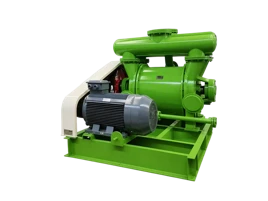
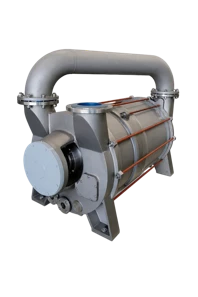
Hey there! As a supplier of large vacuum pumps, I often get asked about the environmental requirements for installing these beasts. It's a crucial topic because getting the environment right can significantly impact the performance and lifespan of the vacuum pump. So, let's dive right in and explore what you need to know.
Temperature and Humidity
First off, temperature and humidity play a huge role. Most large vacuum pumps are designed to operate within a specific temperature range. Generally, the ideal ambient temperature for installing a large vacuum pump is between 5°C and 40°C (41°F and 104°F). If it gets too cold, the lubricants in the pump can thicken, which might lead to poor performance or even damage to the pump components. On the other hand, if it's too hot, the pump could overheat, causing seals to fail and reducing the efficiency of the vacuum generation process.
Humidity is another factor. High humidity can cause corrosion inside the pump, especially in areas where metal parts are exposed. A relative humidity level of around 30% - 70% is usually recommended. In environments with high humidity, you might need to install dehumidifiers or use special coatings on the pump to prevent rust and corrosion.
Ventilation
Proper ventilation is a must when installing a large vacuum pump. These pumps generate heat during operation, and if the heat isn't dissipated properly, it can lead to overheating. Make sure the installation area has good air circulation. You can install fans or vents to ensure that fresh air is constantly flowing around the pump.
Moreover, some vacuum pumps release gases or vapors during operation. For example, oil-sealed vacuum pumps can release small amounts of oil vapor. Adequate ventilation helps to remove these potentially harmful gases from the area, protecting both the pump and the people working nearby.
Cleanliness
The installation environment should be clean. Dust, dirt, and debris can get into the pump and cause damage to the internal components. For instance, if dust particles enter the pump's intake, they can scratch the surfaces of the rotors or impellers, leading to reduced efficiency and increased wear.
It's a good idea to install the pump in a dedicated room or enclosure where the air can be filtered. You can use air filters to remove dust and other contaminants from the incoming air. Additionally, keep the area around the pump clean and free of clutter to prevent any foreign objects from accidentally falling into the pump.
Vibration and Noise
Large vacuum pumps can generate a significant amount of vibration and noise during operation. Excessive vibration can loosen connections and damage the pump's structure over time. To minimize vibration, you can install the pump on a vibration - isolating base or mount. These bases are designed to absorb the vibrations and prevent them from being transferred to the surrounding structure.


Noise can also be a problem, especially in workplaces where people are present. Some vacuum pumps are designed to be quieter than others, but in any case, you might need to install sound - absorbing materials around the pump or in the installation area to reduce the noise level.
Power Supply
The power supply for the large vacuum pump needs to be stable. Fluctuations in voltage can cause the pump to operate inefficiently or even damage the motor. Make sure the electrical system can provide the correct voltage and current required by the pump. It's also a good idea to install surge protectors to safeguard the pump from power surges.
Specific Requirements for Different Types of Vacuum Pumps
Now, let's take a look at some specific requirements for different types of large vacuum pumps.
2BV Liquid Ring Vacuum Pump
The 2BV Liquid Ring Vacuum Pump is a popular choice for many applications. This type of pump uses a liquid ring to create a vacuum. The liquid used in the pump, usually water, needs to be clean and at the right temperature. If the water is too hot, it can vaporize more easily, reducing the efficiency of the pump. Also, make sure the water source is free of contaminants to prevent clogging of the pump's internal passages.
2BED 2 Stage Liquid Ring Vacuum Pump
The 2BED 2 Stage Liquid Ring Vacuum Pump provides a higher vacuum level compared to single - stage pumps. Similar to the 2BV pump, it requires a clean and properly temperature - controlled liquid supply. Additionally, because it has two stages, the alignment of the internal components is crucial. Any misalignment can lead to reduced performance and increased wear.
2BE3 Large Liquid Ring Vacuum Pump
The 2BE3 Large Liquid Ring Vacuum Pump is designed for heavy - duty applications. It has a larger size and higher power requirements. This pump needs a more robust power supply and a larger installation space. Make sure the floor or mounting surface can support the weight of the pump. Also, due to its size, proper ventilation becomes even more important to dissipate the heat generated during operation.
Conclusion
In conclusion, there are several environmental requirements for installing a large vacuum pump. Temperature, humidity, ventilation, cleanliness, vibration, noise, and power supply all need to be carefully considered. By meeting these requirements, you can ensure that your vacuum pump operates efficiently and has a long lifespan.
If you're in the market for a large vacuum pump or have any questions about the installation requirements, feel free to reach out. We're here to help you choose the right pump for your application and guide you through the installation process.
References
- "Vacuum Technology Handbook", various authors
- Manufacturer's manuals for 2BV, 2BED, and 2BE3 vacuum pumps.