Can a dry pump be used in the chemical industry?
The chemical industry is a complex and demanding field that requires high - performance equipment to ensure efficient and safe operations. One crucial piece of equipment in many chemical processes is the vacuum pump. Among the various types of vacuum pumps available, dry pumps have been gaining increasing attention. As a dry pump supplier, I'd like to explore whether dry pumps can be effectively used in the chemical industry.
Characteristics of Dry Pumps
Dry pumps are distinct from traditional oil - sealed pumps. They operate without the use of oil in the pumping chamber, which eliminates the risk of oil contamination in the pumped gas. This characteristic is highly beneficial in the chemical industry, where the purity of the substances being processed is often of utmost importance.
Dry pumps also offer a clean and environmentally friendly solution. Since there is no oil to be disposed of, they reduce the environmental impact associated with oil - based pumps. Additionally, dry pumps typically have lower maintenance requirements compared to oil - sealed pumps. Without the need for regular oil changes and the associated cleaning of oil - related components, the downtime for maintenance is minimized, leading to increased productivity in chemical plants.
Applications in the Chemical Industry
Chemical Synthesis
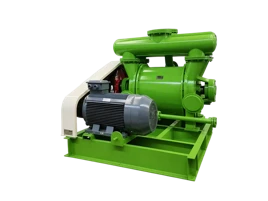
In chemical synthesis, dry pumps are widely used. For example, in the production of pharmaceuticals, the synthesis process often requires a high - purity environment. Dry pumps can create a clean vacuum environment, preventing any oil - based contaminants from affecting the chemical reactions. This ensures the quality and purity of the final pharmaceutical products. The VDP Dry Screw Vacuum Pump is an excellent choice for such applications. Its advanced screw design provides a stable and efficient vacuum, which is essential for precise chemical synthesis.
Distillation and Evaporation
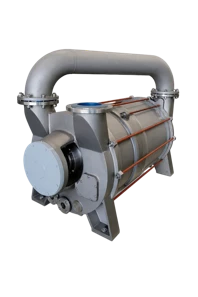
Distillation and evaporation are common separation processes in the chemical industry. Dry pumps can be used to create the necessary vacuum conditions for these processes. By reducing the pressure in the distillation or evaporation equipment, the boiling point of the substances can be lowered, which saves energy and allows for more efficient separation. The NZJQ Multistage Gas circulation - cooled Roots Pump is well - suited for these applications. Its multistage design can achieve high - vacuum levels, and the gas circulation - cooled feature ensures stable operation even under high - load conditions.


Drying Processes
In the chemical industry, many products need to be dried to remove moisture. Dry pumps can be used to create a vacuum environment for drying, which speeds up the drying process and improves the quality of the dried products. For instance, in the production of polymers, the drying process is crucial to ensure the mechanical properties of the final products. The ZJP Roots Vacuum Pump can provide the required vacuum for such drying processes. Its high - speed operation and reliable performance make it a popular choice in chemical drying applications.
Challenges and Solutions
Corrosion
One of the main challenges in using dry pumps in the chemical industry is corrosion. Chemical substances can be highly corrosive, and they may damage the internal components of the pump. To address this issue, we offer dry pumps with corrosion - resistant materials. For example, some of our pumps are made with special coatings or materials such as stainless steel, which can withstand the corrosive effects of many chemical substances.
Particle Contamination
In chemical processes, there may be particles in the pumped gas. These particles can cause wear and tear on the pump components, reducing the pump's lifespan. Our dry pumps are designed with advanced filtration systems. These filters can effectively capture particles before they enter the pump, protecting the internal components and ensuring long - term reliable operation.
Advantages Over Other Types of Pumps
Compared to oil - sealed pumps, dry pumps have several significant advantages in the chemical industry. As mentioned earlier, the absence of oil eliminates the risk of oil contamination. In addition, dry pumps can handle a wider range of chemical substances. Oil - sealed pumps may be limited by the compatibility of the oil with the pumped chemicals, while dry pumps do not have this issue.
Compared to wet pumps, dry pumps are more energy - efficient. Wet pumps often require a large amount of water for cooling and operation, which consumes a significant amount of energy. Dry pumps, on the other hand, have a more compact design and lower energy consumption, making them a more sustainable choice for the chemical industry.
Conclusion
In conclusion, dry pumps can indeed be used effectively in the chemical industry. Their clean operation, low maintenance requirements, and ability to handle various chemical processes make them a valuable asset in chemical plants. Whether it's for chemical synthesis, distillation, evaporation, or drying, dry pumps can provide the necessary vacuum conditions while ensuring the quality and purity of the products.
If you are in the chemical industry and are looking for high - quality dry pumps, we are here to help. Our range of dry pumps, including the VDP Dry Screw Vacuum Pump, NZJQ Multistage Gas circulation - cooled Roots Pump, and ZJP Roots Vacuum Pump, are designed to meet the diverse needs of the chemical industry. Contact us to discuss your specific requirements and start a procurement negotiation.
References
- Perry, R. H., & Green, D. W. (1997). Perry's Chemical Engineers' Handbook. McGraw - Hill.
- Vacuum Technology Handbook. Leybold AG.