Can a dry vacuum pump be used for vacuum metallurgy?
Vacuum metallurgy is a critical process in the metal industry, which involves melting, refining, and casting metals under vacuum conditions. This process helps to eliminate impurities, improve the quality of metals, and enhance the performance of metal products. One of the key components in vacuum metallurgy is the vacuum pump, which is responsible for creating and maintaining the required vacuum environment. In recent years, dry vacuum pumps have emerged as a potential alternative to traditional oil-sealed vacuum pumps in vacuum metallurgy. As a dry vacuum pump supplier, I will explore the feasibility and advantages of using dry vacuum pumps in vacuum metallurgy in this blog.
Understanding Dry Vacuum Pumps
Dry vacuum pumps are designed to operate without the use of any sealing fluids, such as oil or water. Instead, they use mechanical or physical means to create a vacuum. There are several types of dry vacuum pumps available in the market, including rotary vane pumps, screw pumps, and Roots pumps. Each type has its own unique features and advantages, making them suitable for different applications.
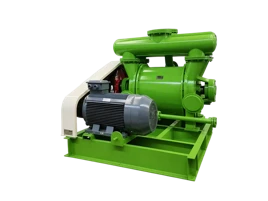
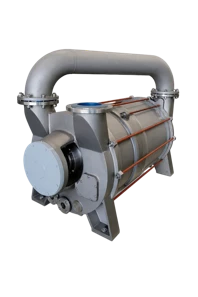
For example, the NZJP Multistage Roots Vacuum Pump is a high-performance dry vacuum pump that is widely used in various industries. It features a multistage design, which allows it to achieve a high pumping speed and a low ultimate pressure. The NZJQ Multistage Gas circulation - cooled Roots Pump is another excellent option, which uses gas circulation cooling technology to ensure stable operation and high reliability. The ZJP Roots Vacuum Pump is also a popular choice, known for its simple structure, easy maintenance, and high efficiency.
Advantages of Dry Vacuum Pumps in Vacuum Metallurgy
1. Cleanliness
One of the most significant advantages of dry vacuum pumps in vacuum metallurgy is their cleanliness. Since dry vacuum pumps do not use any sealing fluids, there is no risk of oil or water contamination in the vacuum chamber. This is particularly important in vacuum metallurgy, where even a small amount of contamination can have a significant impact on the quality of the metal products. By using dry vacuum pumps, manufacturers can ensure a clean and pure vacuum environment, which is essential for producing high - quality metals.
2. Environmental Friendliness
In addition to cleanliness, dry vacuum pumps are also more environmentally friendly than traditional oil - sealed vacuum pumps. Oil - sealed vacuum pumps require the use of large amounts of oil, which can be a source of pollution if not properly managed. The oil may also release harmful vapors into the atmosphere during operation. Dry vacuum pumps, on the other hand, do not produce any oil - related pollution, making them a more sustainable choice for vacuum metallurgy.
3. Low Maintenance
Dry vacuum pumps generally have a simpler structure than oil - sealed vacuum pumps, which means they require less maintenance. There is no need to change the oil regularly, and the risk of oil - related failures is eliminated. This can significantly reduce the maintenance costs and downtime for vacuum metallurgy equipment, allowing manufacturers to improve their production efficiency and profitability.
4. High Performance
Modern dry vacuum pumps are capable of achieving high pumping speeds and low ultimate pressures, which are essential for vacuum metallurgy processes. They can quickly evacuate the air from the vacuum chamber, allowing the metallurgical process to start more quickly. Moreover, they can maintain a stable vacuum level during the entire process, ensuring consistent quality of the metal products.
Challenges and Considerations
While dry vacuum pumps offer many advantages in vacuum metallurgy, there are also some challenges and considerations that need to be addressed.
1. Initial Cost
The initial cost of dry vacuum pumps is generally higher than that of oil - sealed vacuum pumps. This is because dry vacuum pumps often use more advanced technologies and materials. However, it is important to consider the long - term benefits, such as lower maintenance costs and higher product quality, when evaluating the cost - effectiveness of dry vacuum pumps.
2. Compatibility with Metallurgical Processes
Not all dry vacuum pumps are suitable for every vacuum metallurgy process. Different metallurgical processes have different requirements for vacuum level, pumping speed, and gas composition. Therefore, it is crucial to select the right type of dry vacuum pump based on the specific requirements of the metallurgical process.


3. Dust and Particle Handling
In vacuum metallurgy, there may be a significant amount of dust and particles generated during the melting and refining processes. These dust and particles can cause damage to the dry vacuum pump if not properly handled. Some dry vacuum pumps are equipped with dust - handling features, such as filters and cyclones, to protect the pump from dust and particle contamination.
Case Studies
There are already many successful applications of dry vacuum pumps in vacuum metallurgy. For example, in some high - end steel production plants, dry vacuum pumps are used to create a clean and stable vacuum environment for the vacuum degassing process. This has led to a significant improvement in the quality of the steel products, reducing the amount of impurities and improving the mechanical properties of the steel.
In another case, a titanium alloy manufacturing company switched from oil - sealed vacuum pumps to dry vacuum pumps for its vacuum melting process. The use of dry vacuum pumps eliminated the risk of oil contamination, resulting in higher - quality titanium alloy products. Moreover, the lower maintenance requirements of the dry vacuum pumps reduced the production downtime and increased the overall production efficiency.
Conclusion
In conclusion, dry vacuum pumps can be effectively used for vacuum metallurgy. They offer many advantages, including cleanliness, environmental friendliness, low maintenance, and high performance. Although there are some challenges and considerations, such as the initial cost and compatibility with metallurgical processes, the long - term benefits of using dry vacuum pumps in vacuum metallurgy are significant.
As a dry vacuum pump supplier, we are committed to providing high - quality dry vacuum pumps that meet the specific needs of the vacuum metallurgy industry. Our NZJP Multistage Roots Vacuum Pump, NZJQ Multistage Gas circulation - cooled Roots Pump, and ZJP Roots Vacuum Pump are all excellent choices for vacuum metallurgy applications.
If you are interested in learning more about how our dry vacuum pumps can benefit your vacuum metallurgy process or would like to discuss your specific requirements, please feel free to contact us for a detailed consultation and procurement negotiation. We look forward to working with you to achieve better results in your vacuum metallurgy operations.
References
- "Vacuum Technology in Metallurgy" by Peter K. Johnson
- "Handbook of Vacuum Physics for Metallurgical Applications" by Mary L. Smith
- Industry reports on vacuum pump applications in metallurgy from various research institutions.