Hey there! As a supplier of high vacuum screw pumps, I often get asked if these pumps can be used in corrosive environments. It's a valid question, especially considering the diverse range of industries out there that deal with corrosive substances on a daily basis. So, let's dive right into it and explore this topic in detail.
First off, let's understand what a high vacuum screw pump is. These pumps are known for their ability to create a high level of vacuum, which is crucial in many industrial processes. They work by using two intermeshing screws that rotate in opposite directions, trapping and transporting gas from the inlet to the outlet. This design allows for efficient and reliable operation, making them a popular choice in various applications.
Now, when it comes to corrosive environments, things get a bit tricky. Corrosive substances can damage the pump components over time, leading to reduced performance and eventually, pump failure. But that doesn't mean high vacuum screw pumps can't be used in such environments. It all boils down to the materials used in the pump construction and the level of corrosion resistance they offer.
One of the key factors in determining a pump's suitability for a corrosive environment is the choice of materials. For high vacuum screw pumps, common materials include stainless steel, titanium, and special coatings. Stainless steel is a popular choice due to its good corrosion resistance and relatively low cost. It can withstand a wide range of corrosive substances, including acids and alkalis, to a certain extent. However, in more aggressive environments, stainless steel may not be sufficient.
Titanium, on the other hand, is known for its excellent corrosion resistance. It can handle highly corrosive substances, such as hydrochloric acid and sulfuric acid, without significant damage. But titanium is also more expensive than stainless steel, which can make the pump more costly.
In addition to the base materials, special coatings can also be applied to the pump components to enhance their corrosion resistance. These coatings act as a barrier between the corrosive substance and the pump material, preventing direct contact and reducing the risk of corrosion. Some common coatings include PTFE (polytetrafluoroethylene) and ceramic coatings.
Another important consideration is the design of the pump. A well-designed high vacuum screw pump can minimize the contact between the corrosive substance and the pump components. For example, the pump can be designed with a sealed chamber to prevent the corrosive gas from leaking into the pump mechanism. Additionally, the internal surfaces of the pump can be polished to reduce the adhesion of corrosive substances.
Now, let's take a look at some real-world applications where high vacuum screw pumps are used in corrosive environments. One such application is in the chemical industry. Chemical processes often involve the use of corrosive chemicals, such as acids and solvents. High vacuum screw pumps can be used to create a vacuum for distillation, evaporation, and other processes. In these applications, the pump needs to be able to withstand the corrosive nature of the chemicals without compromising its performance.
Another application is in the semiconductor industry. Semiconductor manufacturing involves the use of corrosive gases, such as hydrogen fluoride and chlorine. High vacuum screw pumps are used to create a clean and controlled vacuum environment for processes like chemical vapor deposition and etching. The pump needs to be able to handle these corrosive gases without introducing contaminants into the manufacturing process.
At our company, we offer a range of high vacuum screw pumps that are designed to be used in corrosive environments. Our VDP Dry Screw Vacuum Pump is made from high-quality stainless steel and features a special coating to enhance its corrosion resistance. It is suitable for a wide range of applications, including chemical processing and semiconductor manufacturing.


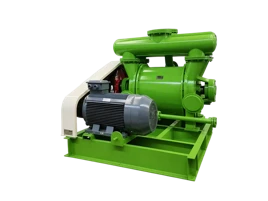
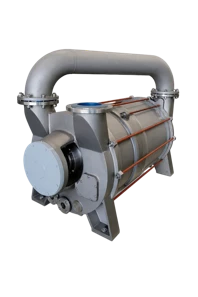
In addition to the VDP Dry Screw Vacuum Pump, we also offer the NZJQ Multistage Gas circulation-cooled Roots Pump and the ZJQ Gas circulation-cooled Roots Pump. These pumps are designed to work in conjunction with the high vacuum screw pump to achieve even higher levels of vacuum. They are also made from corrosion-resistant materials and are suitable for use in corrosive environments.
So, can a high vacuum screw pump be used in corrosive environments? The answer is yes, but it requires careful consideration of the materials, design, and application. By choosing the right pump and taking the necessary precautions, you can ensure that your high vacuum screw pump will perform reliably in a corrosive environment.
If you're interested in learning more about our high vacuum screw pumps or have any questions about using them in corrosive environments, please don't hesitate to contact us. We're here to help you find the right solution for your specific needs.
References:
- "Corrosion Resistance of Materials in Chemical Environments" - A Handbook on Material Selection for Chemical Processing
- "Vacuum Technology in the Semiconductor Industry" - A Guide to Vacuum Pump Selection and Application