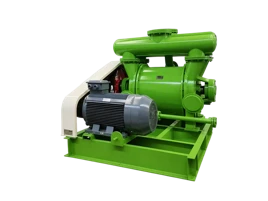
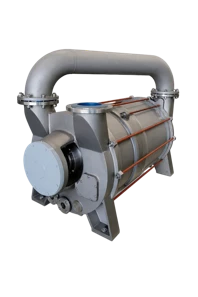
Hey there! As a supplier of water suction vacuum pumps, I often get asked if these pumps can be used in ceramic manufacturing applications. Well, the short answer is yes! In this blog post, I'll dive into how water suction vacuum pumps play a crucial role in the ceramic industry.
Understanding Water Suction Vacuum Pumps
First off, let's quickly go over what a water suction vacuum pump is. It's a type of pump that uses water as a sealing and working fluid to create a vacuum. These pumps are known for their simplicity, reliability, and cost - effectiveness. They work by using an impeller that rotates in an eccentric casing filled with water. As the impeller spins, it creates chambers of varying volume, which in turn draws in gas and expels it, creating a vacuum.
Applications in Ceramic Manufacturing
1. De - airation of Ceramic Slurry
One of the most important steps in ceramic manufacturing is de - airation of the ceramic slurry. Ceramic slurry is a mixture of clay, water, and other additives. If there are air bubbles in the slurry, they can cause defects in the final ceramic product, such as cracks, porosity, and uneven surfaces.
Water suction vacuum pumps are great for this task. They can create a low - pressure environment in a closed tank where the ceramic slurry is placed. As the pressure drops, the air bubbles in the slurry expand and rise to the surface, where they can be easily removed. This results in a more homogeneous and bubble - free ceramic slurry, which leads to higher - quality ceramic products.
2. Mold Filling
In ceramic manufacturing, molds are used to shape the ceramic products. Water suction vacuum pumps can be used to assist in the mold - filling process. By creating a vacuum in the mold, the ceramic slurry can be drawn into the mold more easily and evenly. This helps to ensure that the mold is completely filled, even in complex shapes, and reduces the chances of air pockets forming inside the mold.
3. Drying and Firing
During the drying and firing processes of ceramics, water suction vacuum pumps can also be useful. They can be used to control the humidity and air circulation in the drying and firing chambers. By removing excess moisture from the chambers, the drying and firing processes can be more efficient and consistent. This helps to prevent cracking and warping of the ceramic products during these critical stages.
Our Product Range
We offer a variety of water suction vacuum pumps that are suitable for ceramic manufacturing applications. Here are some of our popular models:
- 2BED 2 Stage Liquid Ring Vacuum Pump: This pump is known for its high - efficiency and reliable performance. It can achieve a deep vacuum, which is ideal for de - airation of ceramic slurry and other applications that require a low - pressure environment.
- 2BV Liquid Ring Vacuum Pump: It's a compact and cost - effective option. This pump is easy to install and maintain, making it a great choice for small to medium - sized ceramic manufacturing facilities.
- 2BE3 Large Liquid Ring Vacuum Pump: If you have a large - scale ceramic manufacturing operation, this pump is for you. It has a high pumping capacity and can handle large volumes of gas, making it suitable for high - volume production.
Advantages of Using Our Water Suction Vacuum Pumps in Ceramic Manufacturing
1. High Quality and Reliability
Our pumps are built to last. We use high - quality materials and advanced manufacturing techniques to ensure that our pumps can withstand the harsh conditions in ceramic manufacturing plants. They are designed to operate continuously for long periods without breakdowns, which helps to minimize production downtime.
2. Energy Efficiency
We understand that energy costs are a major concern for ceramic manufacturers. That's why our water suction vacuum pumps are designed to be energy - efficient. They consume less power compared to other types of vacuum pumps, which can help you save on your energy bills in the long run.
3. Customization
We know that every ceramic manufacturing process is unique. That's why we offer customization options for our pumps. We can adjust the pump's performance parameters, such as pumping speed, vacuum level, and power consumption, to meet your specific requirements.
How to Choose the Right Water Suction Vacuum Pump
When choosing a water suction vacuum pump for your ceramic manufacturing application, there are several factors to consider:
1. Vacuum Level
The required vacuum level depends on the specific process. For de - airation of ceramic slurry, a deeper vacuum is usually required. Make sure to choose a pump that can achieve the desired vacuum level.
2. Pumping Speed
The pumping speed determines how quickly the pump can remove air from the system. If you have a large - scale production, you'll need a pump with a high pumping speed.


3. Size and Space
Consider the available space in your ceramic manufacturing plant. Choose a pump that can fit into the available space without causing any installation or operational problems.
Contact Us for Your Ceramic Manufacturing Needs
If you're in the ceramic manufacturing industry and are looking for a reliable water suction vacuum pump, we're here to help. Our team of experts can assist you in choosing the right pump for your specific application. We also offer after - sales support, including maintenance, repair, and spare parts supply.
Whether you're a small - scale ceramic artist or a large - scale ceramic manufacturer, we have the right water suction vacuum pump for you. Don't hesitate to contact us to discuss your requirements and get a quote. We're committed to providing you with the best products and services to help you improve the quality and efficiency of your ceramic manufacturing process.
References
- "Ceramic Manufacturing Technology" by John A. Manson
- "Vacuum Technology Handbook" by P. A. Redhead