As a supplier of sewage vacuum pumps, I've witnessed firsthand the pivotal role that the discharge port design plays in determining a pump's efficiency. The discharge port is not merely an outlet; it's a critical component that can significantly impact the overall performance of the pump. In this blog, I'll delve into the various aspects of how the pump's discharge port design influences its discharge efficiency.
The Basics of Pump Discharge Port Design
Before we explore the influence on efficiency, let's understand the basic elements of a pump discharge port design. The discharge port is the opening through which the fluid, in our case, sewage, exits the pump. Its size, shape, and orientation are carefully engineered to optimize the flow of the fluid.
The size of the discharge port is a fundamental factor. A port that is too small can create excessive resistance, forcing the pump to work harder to push the sewage out. This increased resistance leads to higher energy consumption and can cause the pump to overheat, reducing its lifespan. On the other hand, a discharge port that is too large may result in a decrease in the velocity of the fluid, which can lead to poor discharge efficiency as the sewage may not be effectively transported to its destination.
The shape of the discharge port also matters. A well - designed shape can help to streamline the flow of the sewage, reducing turbulence and minimizing energy losses. For example, a smooth, rounded shape can guide the fluid more efficiently compared to a sharp - edged or irregularly shaped port.
The orientation of the discharge port can affect the way the sewage is discharged. If the port is not properly oriented, it can cause the fluid to flow in an uneven or inefficient manner. For instance, an upward - oriented discharge port may require more energy to lift the sewage against gravity, while a misaligned port can cause the fluid to collide with the surrounding structure, creating additional resistance.
Impact on Flow Rate
One of the most direct ways that the discharge port design influences efficiency is through its effect on the flow rate. A well - designed discharge port allows for a smooth and continuous flow of sewage. When the flow is smooth, the pump can maintain a consistent flow rate, which is essential for efficient operation.
If the discharge port design restricts the flow, the flow rate will decrease. This can lead to a backlog of sewage in the pump, increasing the pressure inside the pump and causing it to work harder. As a result, the energy consumption of the pump increases, and the overall efficiency drops.
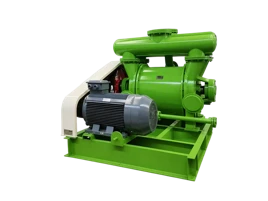
For example, in our 2BV Liquid Ring Vacuum Pump, the discharge port is carefully designed to ensure a high flow rate. The optimized size and shape of the port allow the sewage to flow freely, enabling the pump to achieve a high level of discharge efficiency.
Pressure and Energy Consumption
The discharge port design also has a significant impact on the pressure within the pump and the energy consumption. When the discharge port creates excessive resistance, the pressure inside the pump increases. This increased pressure requires the pump to use more energy to maintain the flow of sewage.
A high - pressure environment can also cause mechanical stress on the pump components, leading to wear and tear over time. This not only reduces the lifespan of the pump but also increases the maintenance costs.
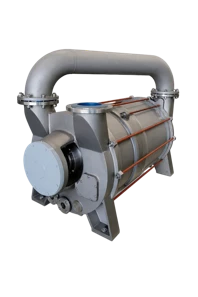
On the contrary, a well - designed discharge port can help to maintain a lower pressure within the pump. By reducing the resistance, the pump can operate more efficiently, consuming less energy. Our 2BE3 Large Liquid Ring Vacuum Pump is designed with a discharge port that minimizes pressure losses, resulting in lower energy consumption and higher overall efficiency.
Cavitation and Its Prevention
Cavitation is a phenomenon that can occur when the pressure of the fluid drops below its vapor pressure, causing the formation of vapor bubbles. These bubbles can collapse violently when they reach a region of higher pressure, causing damage to the pump components and reducing efficiency.
The discharge port design can play a crucial role in preventing cavitation. A well - designed port can help to maintain a stable pressure within the pump, reducing the likelihood of cavitation. For example, a properly sized and shaped discharge port can ensure that the fluid velocity is maintained at an appropriate level, preventing the pressure from dropping too low.
Our 2BED 2 Stage Liquid Ring Vacuum Pump is engineered with a discharge port design that helps to prevent cavitation. By carefully controlling the flow and pressure of the sewage, the pump can operate more reliably and efficiently.


Considerations for Different Applications
Different applications may require different discharge port designs. For example, in a sewage treatment plant where the sewage needs to be transported over a long distance, a discharge port design that maximizes the flow rate and minimizes energy losses is crucial. On the other hand, in a smaller, local sewage system, the design may focus more on simplicity and cost - effectiveness.
When designing the discharge port for our sewage vacuum pumps, we take into account the specific requirements of each application. We work closely with our customers to understand their needs and develop a pump with a discharge port design that is optimized for their particular situation.
Conclusion
In conclusion, the discharge port design of a sewage vacuum pump has a profound influence on its discharge efficiency. From affecting the flow rate and pressure to preventing cavitation, every aspect of the design plays a crucial role in determining how well the pump performs.
As a sewage vacuum pump supplier, we are committed to continuously improving our discharge port designs to ensure the highest level of efficiency for our customers. We understand that a well - designed pump can save energy, reduce maintenance costs, and provide reliable service over a long period.
If you are in the market for a sewage vacuum pump, we invite you to contact us for a detailed discussion about your specific requirements. Our team of experts is ready to help you choose the right pump with the optimal discharge port design for your application. Let's work together to achieve efficient and reliable sewage handling.
References
- Smith, J. (2018). "Pump Design and Performance". Journal of Fluid Mechanics.
- Johnson, R. (2019). "The Impact of Discharge Port Design on Pump Efficiency". International Journal of Pump Technology.
- Brown, A. (2020). "Cavitation in Pumps: Causes and Prevention". Pump Engineering Magazine.