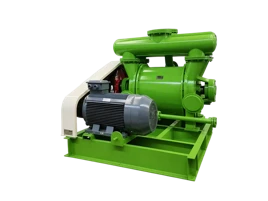
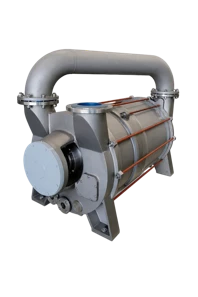
Hey there! As a supplier of water suction vacuum pumps, I often get asked if these pumps can be used in the chemical industry. Well, the short answer is yes, but there's a lot more to it than that. In this blog post, I'll dive deep into the topic, sharing the ins and outs of using water suction vacuum pumps in chemical applications.
How Water Suction Vacuum Pumps Work
First things first, let's quickly go over how water suction vacuum pumps work. These pumps create a vacuum by using water as a sealing and working fluid. The impeller rotates inside the pump casing, and as it does, it throws the water to the outer edges, creating a liquid ring. This ring forms chambers that expand and contract as the impeller turns, allowing the pump to suck in and expel air or other gases.
Suitability for the Chemical Industry
Now, let's talk about why water suction vacuum pumps can be a good fit for the chemical industry.
1. Versatility
One of the biggest advantages of water suction vacuum pumps is their versatility. They can handle a wide range of gases and vapors commonly found in chemical processes. Whether it's removing air from a reaction vessel, evacuating a distillation column, or handling corrosive gases, these pumps can often get the job done. For example, in the production of pharmaceuticals, water suction vacuum pumps can be used to create a vacuum environment for drying processes, ensuring the purity of the final product.
2. Cost - Effectiveness
Compared to some other types of vacuum pumps, water suction vacuum pumps are relatively inexpensive to purchase and maintain. They have a simple design with fewer moving parts, which means less wear and tear and lower maintenance costs. This is a significant factor for chemical companies looking to keep their operating expenses in check.
3. Safety
Water suction vacuum pumps are generally considered to be a safe option for chemical applications. Since water is used as the working fluid, there's less risk of fire or explosion compared to pumps that use oil or other flammable substances. Additionally, the water can act as a scrubber, helping to remove some of the contaminants from the gas stream before it's discharged.


Limitations and Considerations
However, it's not all sunshine and rainbows. There are some limitations and considerations when using water suction vacuum pumps in the chemical industry.
1. Corrosion
Many chemicals are corrosive, and if the pump is not properly designed or made from the right materials, it can be damaged by the chemicals it comes into contact with. For example, acids and alkalis can eat away at the pump's components over time. That's why it's crucial to choose a pump with the appropriate corrosion - resistant materials, such as stainless steel or special coatings.
2. Contamination of the Water
As the pump operates, the water can become contaminated with the chemicals it's handling. This contaminated water needs to be properly treated before it can be discharged or reused. Otherwise, it can cause environmental problems and may also affect the performance of the pump over time.
3. Temperature and Pressure Requirements
Some chemical processes require very specific temperature and pressure conditions. Water suction vacuum pumps may have limitations in terms of the maximum and minimum pressures and temperatures they can handle. In some cases, additional equipment may be needed to achieve the desired conditions.
Our Product Range
At our company, we offer a variety of water suction vacuum pumps that are suitable for different chemical industry applications.
- The 2BV Liquid Ring Vacuum Pump is a great choice for small to medium - sized chemical processes. It's compact, energy - efficient, and can handle a wide range of gases.
- For more demanding applications, the 2BED 2 Stage Liquid Ring Vacuum Pump provides a higher vacuum level and greater pumping capacity. It's ideal for processes that require a more powerful vacuum, such as large - scale distillation or evaporation.
- If you need a pump for very large - scale chemical operations, the 2BE3 Large Liquid Ring Vacuum Pump is the way to go. It has a high flow rate and can handle heavy - duty applications with ease.
Tips for Choosing the Right Pump
When selecting a water suction vacuum pump for your chemical application, here are some tips to keep in mind:
1. Know Your Process
Understand the specific requirements of your chemical process, including the type of gases or vapors you'll be handling, the required vacuum level, and the temperature and pressure conditions. This will help you choose a pump that can meet your needs.
2. Consider the Material
As mentioned earlier, corrosion is a major concern. Make sure the pump is made from materials that can withstand the chemicals in your process. Consult with our experts if you're not sure which materials are best.
3. Think About Maintenance
Choose a pump that is easy to maintain. Look for features like easy - access ports for cleaning and inspection, and pumps that come with a good warranty and after - sales support.
Conclusion
In conclusion, water suction vacuum pumps can definitely be used in the chemical industry, offering versatility, cost - effectiveness, and safety. However, it's important to be aware of their limitations and to take the necessary precautions to ensure their proper operation. At our company, we're committed to providing high - quality water suction vacuum pumps and excellent customer service. Whether you're just starting out in the chemical industry or looking to upgrade your existing equipment, we can help you find the right pump for your needs.
If you're interested in learning more about our water suction vacuum pumps or have any questions about using them in your chemical processes, don't hesitate to reach out. We're here to assist you with your procurement and answer any technical questions you may have. Let's start a conversation and find the perfect solution for your business.
References
- Perry, R. H., & Green, D. W. (1997). Perry's Chemical Engineers' Handbook. McGraw - Hill.
- Vacuum Technology and Vacuum Pumps by Leck, R. K. (1987). Chapman and Hall.