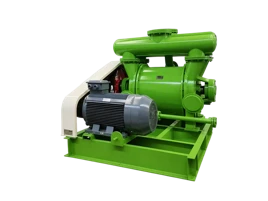
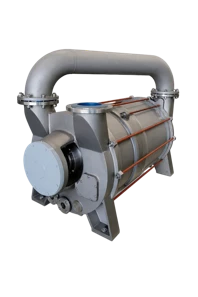
Detecting air leakage in a vacuum system is a critical task that directly impacts the system's performance, efficiency, and reliability. As a reputable vacuum system supplier, we understand the significance of ensuring airtightness in vacuum systems. In this blog post, we will explore various methods and techniques for detecting air leakage in a vacuum system, providing you with valuable insights to maintain optimal system operation.
Understanding the Importance of Detecting Air Leakage
Air leakage in a vacuum system can lead to a range of issues, including reduced pumping speed, increased energy consumption, and compromised process quality. Even small leaks can have a significant impact on the system's performance over time. For example, in industrial applications such as semiconductor manufacturing or vacuum distillation, air leakage can introduce contaminants, affect product quality, and cause equipment malfunctions. Therefore, regular leakage detection is essential to identify and address potential problems before they escalate.
Visual Inspection
One of the simplest and most straightforward methods for detecting air leakage is through visual inspection. This involves carefully examining the vacuum system for any visible signs of damage, such as cracks, holes, or loose connections. Pay close attention to joints, gaskets, seals, and flanges, as these are common areas where leaks can occur. Look for signs of wear, corrosion, or improper installation, as these can also indicate potential leakage points.


While visual inspection can be effective in identifying obvious leaks, it may not detect small or hidden leaks. Therefore, it is often used in conjunction with other detection methods for a more comprehensive assessment.
Pressure Decay Test
The pressure decay test is a widely used method for detecting air leakage in vacuum systems. This test involves isolating the system and monitoring the pressure change over a specific period. If there is a leak in the system, the pressure will gradually increase as air enters the vacuum chamber.
To perform a pressure decay test, follow these steps:
- Isolate the system: Close all valves and isolate the vacuum chamber from the rest of the system.
- Evacuate the chamber: Use a vacuum pump to evacuate the chamber to a specific pressure level.
- Monitor the pressure: Once the desired pressure is reached, turn off the vacuum pump and monitor the pressure change over a set period, typically 10 to 30 minutes.
- Analyze the results: If the pressure remains stable or changes only slightly, it indicates that the system is relatively airtight. However, if the pressure increases significantly, it suggests the presence of a leak.
The pressure decay test is a simple and cost-effective method for detecting leaks. However, it may not be suitable for detecting very small leaks, as the pressure change may be too small to measure accurately.
Helium Mass Spectrometer Leak Detection
Helium mass spectrometer leak detection is a highly sensitive and accurate method for detecting air leakage in vacuum systems. This method uses a helium mass spectrometer to detect the presence of helium gas, which is often used as a tracer gas.
To perform a helium mass spectrometer leak detection test, follow these steps:
- Isolate the system: Close all valves and isolate the vacuum chamber from the rest of the system.
- Evacuate the chamber: Use a vacuum pump to evacuate the chamber to a specific pressure level.
- Introduce helium gas: Apply helium gas to the outside of the system, focusing on areas where leaks are suspected.
- Monitor the helium concentration: Use a helium mass spectrometer to monitor the helium concentration inside the vacuum chamber. If there is a leak, helium gas will enter the chamber, and the mass spectrometer will detect its presence.
- Locate the leak: Once a leak is detected, use the mass spectrometer to pinpoint the exact location of the leak by moving the helium source around the suspected area.
Helium mass spectrometer leak detection is a highly sensitive and accurate method that can detect leaks as small as 10^-9 mbar·l/s. However, it requires specialized equipment and trained personnel, and it can be relatively expensive.
Bubble Test
The bubble test is a simple and inexpensive method for detecting air leakage in vacuum systems. This test involves applying a soapy solution to the outside of the system and looking for bubbles, which indicate the presence of a leak.
To perform a bubble test, follow these steps:
- Prepare the soapy solution: Mix a small amount of liquid soap with water to create a soapy solution.
- Apply the solution: Use a brush or spray bottle to apply the soapy solution to the outside of the system, focusing on areas where leaks are suspected.
- Look for bubbles: If there is a leak in the system, air will escape through the leak point and create bubbles in the soapy solution.
- Locate the leak: Once a leak is detected, mark the location of the bubble and repair the leak.
The bubble test is a simple and effective method for detecting large leaks. However, it may not be suitable for detecting small leaks, as the bubbles may be too small to see.
Using Leak Detection Sprays
Leak detection sprays are commercially available products that can be used to detect air leakage in vacuum systems. These sprays contain a special formulation that reacts with air to produce a visible or audible signal when a leak is detected.
To use a leak detection spray, follow these steps:
- Prepare the system: Clean the surface of the system where the spray will be applied to ensure accurate results.
- Apply the spray: Spray the leak detection spray onto the surface of the system, focusing on areas where leaks are suspected.
- Look for a signal: If there is a leak in the system, the spray will react with the air and produce a visible or audible signal, such as bubbles, foam, or a hissing sound.
- Locate the leak: Once a leak is detected, mark the location of the signal and repair the leak.
Leak detection sprays are a convenient and easy-to-use method for detecting air leakage. However, they may not be as sensitive as other detection methods and may require multiple applications to detect small leaks.
Choosing the Right Detection Method
When choosing a detection method for your vacuum system, consider the following factors:
- Sensitivity: The sensitivity of the detection method determines its ability to detect small leaks. If you need to detect very small leaks, you may need to use a more sensitive method, such as helium mass spectrometer leak detection.
- Accuracy: The accuracy of the detection method determines its ability to provide reliable results. Choose a method that has been proven to be accurate and consistent.
- Cost: The cost of the detection method includes the cost of equipment, labor, and materials. Consider your budget when choosing a method, and choose one that provides the best value for your money.
- Ease of use: The ease of use of the detection method determines how easy it is to perform the test. Choose a method that is simple and straightforward to use, especially if you do not have specialized training or equipment.
- System requirements: The detection method you choose should be compatible with your vacuum system and its operating conditions. Consider factors such as the size, shape, and complexity of the system, as well as the type of gas or fluid being used.
Our Vacuum Systems and Leak Detection Services
As a leading vacuum system supplier, we offer a wide range of high-quality vacuum systems, including the JZJ2B Roots-liquid Ring Vacuum System, Customized Vacuum System, and JZJD Roots-screw Vacuum System. Our systems are designed and manufactured to meet the highest standards of quality and performance, and we use advanced leak detection techniques to ensure airtightness and reliability.
In addition to our vacuum systems, we also offer comprehensive leak detection services to help you identify and address any leakage issues in your system. Our experienced technicians use state-of-the-art equipment and techniques to perform accurate and reliable leak detection tests, and we provide detailed reports and recommendations for repair and maintenance.
If you are experiencing problems with air leakage in your vacuum system or need help with leak detection and repair, please contact us today. Our team of experts will be happy to assist you and provide you with the solutions you need to keep your system running smoothly.
Conclusion
Detecting air leakage in a vacuum system is a critical task that requires careful attention and the use of appropriate detection methods. By regularly inspecting your system, performing pressure decay tests, using helium mass spectrometer leak detection, and other detection methods, you can identify and address potential leakage issues before they cause significant problems.
As a vacuum system supplier, we are committed to providing our customers with high-quality vacuum systems and comprehensive leak detection services. If you have any questions or need further information about air leakage detection or our products and services, please do not hesitate to contact us. We look forward to working with you to ensure the optimal performance and reliability of your vacuum system.
References
- ASME PTC 19.11-2017, "Test Code on Vacuum," American Society of Mechanical Engineers.
- ISO 3529-3:2019, "Vacuum technology - Vocabulary - Part 3: Vacuum gauges," International Organization for Standardization.
- Leak Detection Handbook, Pfeiffer Vacuum.