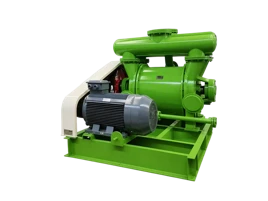
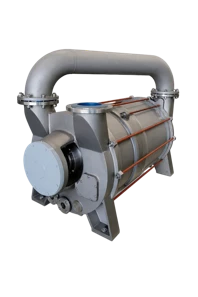
Hey there! As a supplier of solvent recovery pumps, I've seen firsthand how important these machines are in various industries. They play a crucial role in recovering valuable solvents, reducing waste, and saving costs. But like any piece of equipment, they need proper maintenance to keep them running smoothly. In this blog, I'm gonna share some tips on how to maintain a solvent recovery pump.
Regular Inspections
First things first, regular inspections are key. You should check your solvent recovery pump on a routine basis. Look for any signs of wear and tear, like leaks, loose parts, or unusual noises. A small leak might seem insignificant at first, but it can lead to bigger problems down the road, like reduced efficiency or even damage to the pump.
When you're doing your inspection, pay close attention to the seals. The seals are what keep the solvents from leaking out. Over time, they can get worn or damaged, so it's important to replace them if you notice any issues. Also, check the belts and pulleys. If they're loose or frayed, they can cause the pump to work less efficiently.
Cleaning
Cleaning your solvent recovery pump is another essential part of maintenance. Solvents can leave behind residue, which can build up over time and affect the pump's performance. You should clean the pump after each use, if possible. Use a suitable cleaning agent that's compatible with the solvents you're working with.
Start by draining any remaining solvents from the pump. Then, use a soft brush or cloth to clean the exterior of the pump. For the internal parts, you might need to disassemble the pump carefully. Just make sure you follow the manufacturer's instructions when doing this. Once you've cleaned all the parts, rinse them thoroughly and let them dry completely before reassembling the pump.
Lubrication
Proper lubrication is vital for the smooth operation of your solvent recovery pump. The moving parts need to be well-lubricated to reduce friction and prevent wear. Check the manufacturer's recommendations for the type of lubricant to use and how often to apply it.
Some pumps have lubrication points that are easy to access. You can simply apply the lubricant at these points using a grease gun or a brush. For other pumps, you might need to remove a cover or a panel to reach the lubrication points. Again, make sure you follow the instructions carefully to avoid damaging the pump.
Filter Replacement
Filters are an important part of a solvent recovery pump. They help to remove impurities from the solvents, which can extend the life of the pump and improve its performance. Over time, the filters can get clogged with dirt and debris, so it's important to replace them regularly.
The frequency of filter replacement depends on how often you use the pump and the type of solvents you're working with. Some filters might need to be replaced every few weeks, while others can last for several months. Check the filter regularly to see if it needs to be replaced. If it looks dirty or clogged, it's time to put in a new one.
Monitoring Performance
Monitoring the performance of your solvent recovery pump is a great way to catch any potential problems early. Keep an eye on things like the flow rate, pressure, and temperature. If you notice any significant changes in these parameters, it could be a sign that something is wrong with the pump.
You can use a flow meter to measure the flow rate of the solvents. A pressure gauge can help you monitor the pressure inside the pump. And a temperature sensor can let you know if the pump is getting too hot. By keeping track of these measurements, you can identify any issues before they become major problems.
Using the Right Parts
When it comes to maintaining your solvent recovery pump, using the right parts is crucial. Don't try to use generic or incompatible parts, as they can cause more harm than good. Always use parts that are recommended by the manufacturer.
If you need to replace a part, make sure you get it from a reliable source. You can usually order parts directly from the manufacturer or from an authorized distributor. Using the right parts will ensure that your pump continues to work efficiently and safely.
Training
Proper training is also important for the maintenance of your solvent recovery pump. Make sure that the people who are operating and maintaining the pump are well-trained. They should know how to do things like inspections, cleaning, lubrication, and filter replacement.
You can provide in-house training or send your employees to a training course offered by the manufacturer. Training will not only help to keep the pump in good condition but also reduce the risk of accidents and injuries.
Our Product Range
We offer a wide range of solvent recovery pumps, including some great models like the VDP Dry Screw Vacuum Pump, the NZJQ Multistage Gas circulation-cooled Roots Pump, and the ZJQ Gas circulation-cooled Roots Pump. These pumps are designed to be efficient, reliable, and easy to maintain.


If you're in the market for a solvent recovery pump or need any help with maintenance, don't hesitate to reach out. We're here to assist you with all your solvent recovery pump needs. Whether you're a small business or a large industrial operation, we have the right pump for you.
In conclusion, maintaining a solvent recovery pump is not that difficult if you follow these simple tips. Regular inspections, cleaning, lubrication, filter replacement, and monitoring performance are all important steps. And remember, using the right parts and providing proper training are also crucial. If you have any questions or need more information, feel free to contact us. We'd love to help you keep your solvent recovery pump in top shape.
References
- Manufacturer's manuals for solvent recovery pumps
- Industry best practices for pump maintenance