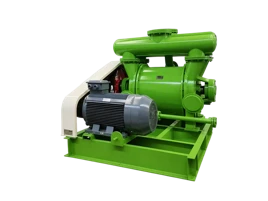
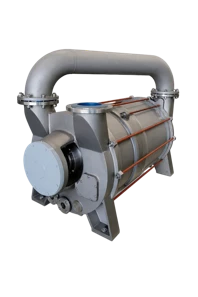
Measuring the performance of a dry vacuum pump is crucial whether you're a user looking to get the most out of your equipment or a supplier like me ensuring the quality of the pumps we offer. In this blog, I'll share some insights on how to accurately measure the performance of a dry vacuum pump, and also introduce some of the great products we have in our lineup.
Key Performance Indicators
First off, let's talk about the main things we look at when measuring a dry vacuum pump's performance.
Ultimate Pressure
The ultimate pressure is one of the most important metrics. It tells us the lowest pressure the pump can achieve. In simple terms, a lower ultimate pressure means the pump can create a better vacuum. To measure this, you'll need a vacuum gauge. Just connect the gauge to the pump's outlet or the vacuum chamber it's connected to. Let the pump run for a while until the pressure stabilizes. The reading on the gauge at this point is the ultimate pressure.
For example, if you're using a pump in a lab setting where you need a very high - quality vacuum for experiments, a pump with a lower ultimate pressure will be more suitable. Our VDP Dry Screw Vacuum Pump is known for its excellent ultimate pressure performance, making it a great choice for such applications.


Pumping Speed
Pumping speed refers to how fast the pump can remove gas from a vacuum chamber. It's usually measured in liters per second (L/s) or cubic feet per minute (CFM). To measure the pumping speed, you can use the constant - volume method. First, isolate the vacuum chamber and record its volume. Then, open the valve between the chamber and the pump and start a timer. Measure the pressure change in the chamber over a certain period of time. Using the ideal gas law and some simple calculations, you can determine the pumping speed.
A high pumping speed is essential when you need to quickly evacuate a large volume. Our ZJP Roots Vacuum Pump is designed to have a high pumping speed, which makes it perfect for industrial applications where time is of the essence.
Leak Rate
Leak rate is another factor that affects the pump's performance. Even the best - sealed systems can have small leaks. A high leak rate can prevent the pump from reaching its ultimate pressure and can also affect the overall efficiency. To measure the leak rate, you can use a helium leak detector. First, pressurize the system with helium and then use the detector to scan the joints, seals, and other potential leak points. The detector will show the amount of helium leaking out, which can be used to calculate the leak rate.
If you find that the leak rate is too high, it might be time to check the seals and connections. Our NZJQ Multistage Gas circulation - cooled Roots Pump is designed with high - quality seals to minimize the leak rate, ensuring a more stable vacuum performance.
Other Factors Affecting Performance
Temperature
Temperature can have a significant impact on the performance of a dry vacuum pump. As the temperature rises, the viscosity of the gas decreases, which can affect the pumping speed. Also, high temperatures can cause the pump components to expand, potentially leading to leaks. To keep the temperature in check, make sure the pump has proper cooling. Some of our pumps, like the NZJQ Multistage Gas circulation - cooled Roots Pump, are equipped with gas circulation - cooling systems to maintain a stable operating temperature.
Gas Type
Different gases have different physical properties, which can affect the pump's performance. For example, heavier gases are more difficult to pump than lighter gases. When measuring the performance, it's important to consider the type of gas you're working with. If you're dealing with a mixture of gases, you may need to adjust your measurements and calculations accordingly.
Maintaining and Improving Performance
Regular maintenance is key to keeping your dry vacuum pump performing at its best. This includes things like changing the oil (if applicable), cleaning the filters, and checking the seals. Make sure to follow the manufacturer's maintenance schedule.
If you find that your pump's performance is declining, it might be time to upgrade. Our range of dry vacuum pumps is designed to offer high - performance and reliability. Whether you need a pump for a small - scale lab or a large - scale industrial application, we have the right product for you.
Conclusion
Measuring the performance of a dry vacuum pump involves looking at several key indicators such as ultimate pressure, pumping speed, and leak rate. Temperature and gas type also play important roles. By understanding these factors and conducting regular performance measurements, you can ensure that your pump is working efficiently.
If you're in the market for a new dry vacuum pump or looking to upgrade your existing one, we're here to help. Our ZJP Roots Vacuum Pump, NZJQ Multistage Gas circulation - cooled Roots Pump, and VDP Dry Screw Vacuum Pump are all top - notch products that offer excellent performance. Contact us to discuss your specific needs and let's find the perfect pump for you.
References
- Vacuum Technology Handbook
- Principles of Vacuum Physics and Technology