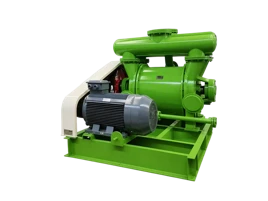
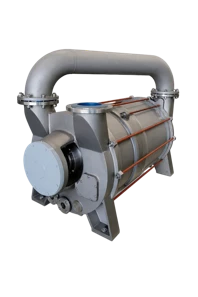
As a seasoned supplier of water ring pumps, I understand the unique challenges that come with operating these essential pieces of equipment during the winter months. Winter conditions can be harsh on water ring pumps, potentially leading to reduced efficiency, increased wear and tear, and even system failures if not properly managed. In this blog post, I'll share some valuable insights and practical tips on how to operate a water ring pump effectively in winter, ensuring optimal performance and longevity.
Understanding the Impact of Winter on Water Ring Pumps
Before delving into the operational strategies, it's crucial to understand how winter conditions can affect water ring pumps. The most significant challenge is the cold temperature, which can cause the working fluid (usually water) to freeze. Freezing not only stops the pump from functioning but can also damage the pump components due to the expansion of ice. Additionally, cold weather can increase the viscosity of the working fluid, making it more difficult for the pump to circulate the fluid efficiently. This can lead to increased energy consumption and reduced pumping capacity.
Pre - winter Preparation
Fluid Selection
One of the first steps in preparing your water ring pump for winter is choosing the right working fluid. Instead of using plain water, consider using a mixture of water and antifreeze. Antifreeze lowers the freezing point of the working fluid, preventing it from freezing in cold temperatures. However, it's important to select an antifreeze that is compatible with the pump materials to avoid corrosion. Consult the pump manufacturer's guidelines to determine the appropriate type and concentration of antifreeze for your specific pump model.
Insulation
Insulating the pump and its associated piping is another effective way to protect them from the cold. Insulation helps to maintain the temperature of the working fluid and reduces the risk of freezing. You can use commercially available insulation materials such as foam sleeves or fiberglass blankets to wrap the pump and pipes. Pay special attention to areas that are exposed to the elements, such as outdoor sections of the piping.


System Check
Before the onset of winter, conduct a thorough inspection of the entire water ring pump system. Check for any leaks in the pipes, valves, and connections. Leaks can not only lead to fluid loss but also increase the risk of freezing. Replace any worn - out seals or gaskets and tighten loose connections. Also, inspect the pump impeller, casing, and other internal components for signs of wear and tear. Address any issues promptly to ensure the pump operates smoothly throughout the winter.
Winter Operation
Regular Monitoring
During winter, it's essential to monitor the pump's performance regularly. Keep an eye on the temperature of the working fluid, the pump's operating pressure, and the flow rate. A sudden change in these parameters could indicate a problem, such as freezing or blockage. Use temperature sensors and pressure gauges to continuously monitor these values. If you notice any abnormal readings, take immediate action to investigate and resolve the issue.
Warm - up Procedures
Before starting the pump in cold weather, it's advisable to perform a warm - up procedure. This can involve circulating a small amount of warm fluid through the pump for a few minutes to raise its temperature. This helps to reduce the viscosity of the working fluid and makes it easier for the pump to start. Once the pump has been warmed up, gradually increase the flow rate to the normal operating level.
Avoid Idle Time
Try to minimize the idle time of the water ring pump during winter. When the pump is not in use for an extended period, the working fluid can cool down and potentially freeze. If you need to shut down the pump for maintenance or other reasons, make sure to drain the working fluid completely to prevent freezing. When restarting the pump, follow the warm - up procedure mentioned above.
Specific Pump Models and Their Winter Considerations
2BE1 Liquid Ring Vacuum Pump
The 2BE1 Liquid Ring Vacuum Pump is a popular choice for many industrial applications. In winter, due to its design and operating characteristics, it requires special attention to fluid temperature. The pump's efficiency can be significantly affected by the increased viscosity of the working fluid in cold weather. Make sure to use the appropriate antifreeze mixture and maintain a stable fluid temperature to ensure optimal performance.
2BE3 Large Liquid Ring Vacuum Pump
The 2BE3 Large Liquid Ring Vacuum Pump is known for its high - capacity pumping. However, its large size means that it takes longer to warm up in winter. Plan for extended warm - up times and ensure that the insulation around the pump and its large - diameter pipes is sufficient. Also, because of its high flow rate, any blockage or freezing can have a more significant impact on the system. Regularly monitor the flow and pressure to detect any potential issues early.
2BV Liquid Ring Vacuum Pump
The 2BV Liquid Ring Vacuum Pump is a compact and efficient pump. In winter, its smaller size can make it more vulnerable to rapid temperature changes. Protect it from direct exposure to cold winds and ensure that the working fluid is well - insulated. Due to its relatively lower power consumption, it may be more sensitive to changes in fluid viscosity, so maintaining the right fluid properties is crucial.
Post - winter Maintenance
Once winter is over, it's important to perform post - winter maintenance on your water ring pump. Drain the antifreeze - water mixture from the pump and replace it with fresh water. This helps to prevent any long - term damage to the pump components caused by the antifreeze. Also, inspect the insulation materials for any damage during the winter and replace them if necessary. Check the pump and piping for any signs of corrosion or damage that may have occurred during the cold months.
Conclusion
Operating a water ring pump in winter requires careful planning, proper preparation, and regular maintenance. By following the tips outlined in this blog post, you can ensure that your pump continues to operate efficiently and reliably throughout the cold season. Remember, choosing the right working fluid, insulating the system, and monitoring the pump's performance are key steps in protecting your investment and avoiding costly downtime.
If you're in the market for a new water ring pump or need more information on winter operation and maintenance, I invite you to contact us. We have a wide range of high - quality water ring pumps, including the 2BE1 Liquid Ring Vacuum Pump, 2BE3 Large Liquid Ring Vacuum Pump, and 2BV Liquid Ring Vacuum Pump. Our team of experts is ready to assist you in selecting the right pump for your needs and providing you with comprehensive support.
References
- Pump Manufacturer's Manuals
- Industry Standards for Water Ring Pump Operation
- Technical Papers on Cold - Weather Pumping